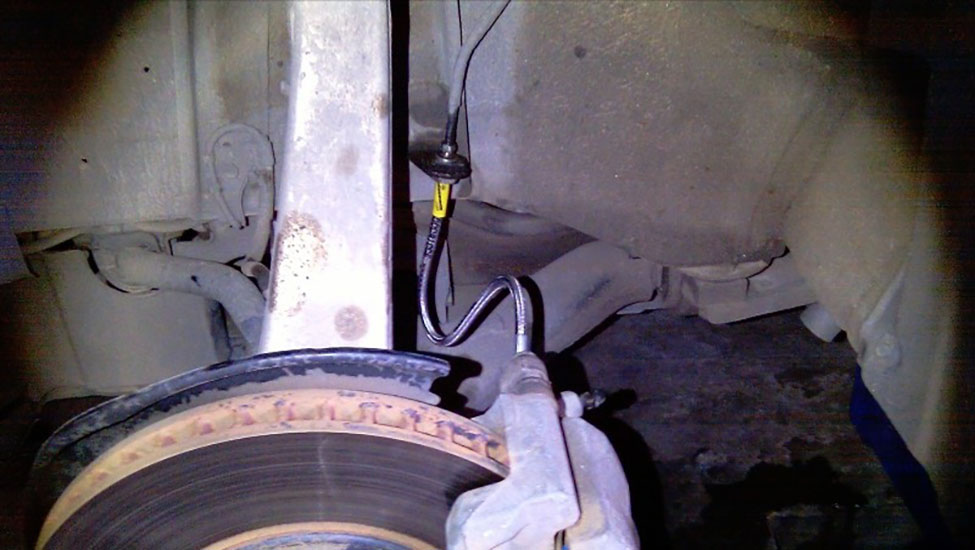
A brake caliper that does not release completely is a common problem in hydraulic braking systems. Many drivers notice symptoms such as overheating brakes, unusual noise, poor acceleration, or increased fuel consumption after driving.
Although brake caliper problems are often suspected first, the brake hose is also a critical component that can cause the brake pressure to remain trapped inside the system.
Understanding the relationship between brake hoses, hydraulic pressure, and brake caliper movement helps identify the real cause of brake dragging problems.
During normal braking, hydraulic pressure pushes the caliper piston forward, pressing the brake pads against the brake disc.
After releasing the brake lever or pedal, the hydraulic pressure should return smoothly, allowing the brake pads to separate slightly from the disc.
If the brake fluid cannot return correctly, the caliper may remain partially engaged.
Common results include:
One of the most overlooked causes of brake dragging is internal brake hose collapse.
The outside surface of the hose may look normal, but the inner rubber layer can deteriorate after years of pressure cycles and heat exposure.
When the internal passage becomes restricted:
This is why replacing an old brake hose can sometimes solve brake dragging problems without changing the caliper.
Traditional rubber brake hoses can expand slightly when hydraulic pressure increases.
For normal driving, this may not create obvious problems. However, during:
hose expansion and aging may affect hydraulic response.
Brake fluid absorbs moisture over time. In tropical climates such as Southeast Asia, moisture absorption can happen faster because of high humidity.
Old brake fluid may cause:
Brake hose installation directly affects system performance.
Common installation problems include:
Professional installation and correct hose specifications are important for reliable braking performance.
After normal driving, compare the temperature of each wheel.
If one brake area is significantly hotter than others, possible causes include:
A slow returning brake lever or pedal can indicate hydraulic pressure problems.
Possible reasons include:
Check the brake hose carefully for:
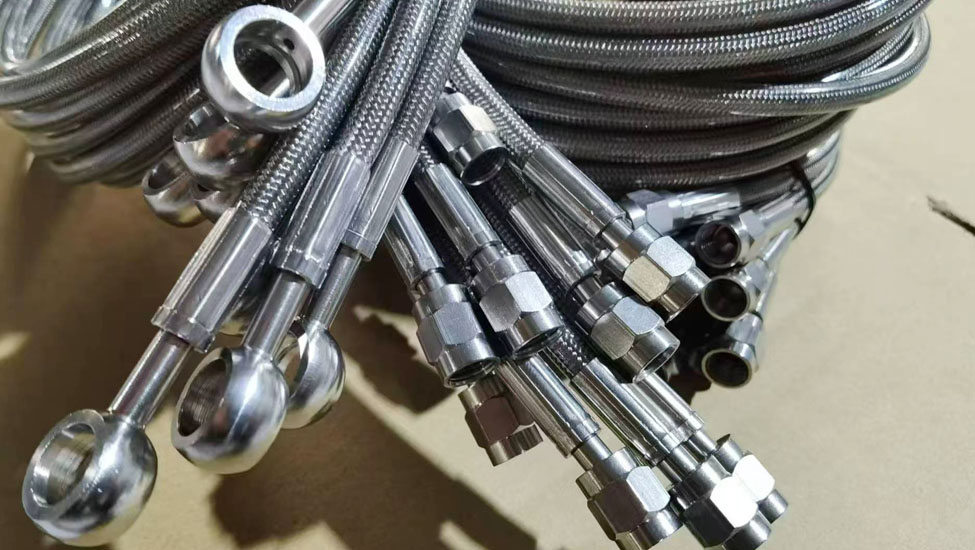
Teflon Brake Lineuses PTFE inner tubing technology, providing excellent resistance against brake fluid, heat, and pressure changes.
Advantages include:
For customers developing customized brake hose products, we can provide different lengths, fittings, and assembly structures according to your drawings.
A professional brake hose assembly requires accurate matching between hose material, fittings, and installation requirements.
OurPTFE Brake Line Assemblyprovides customized solutions for:
Send us your sample or drawing, and our engineers can help develop a suitable brake line assembly.
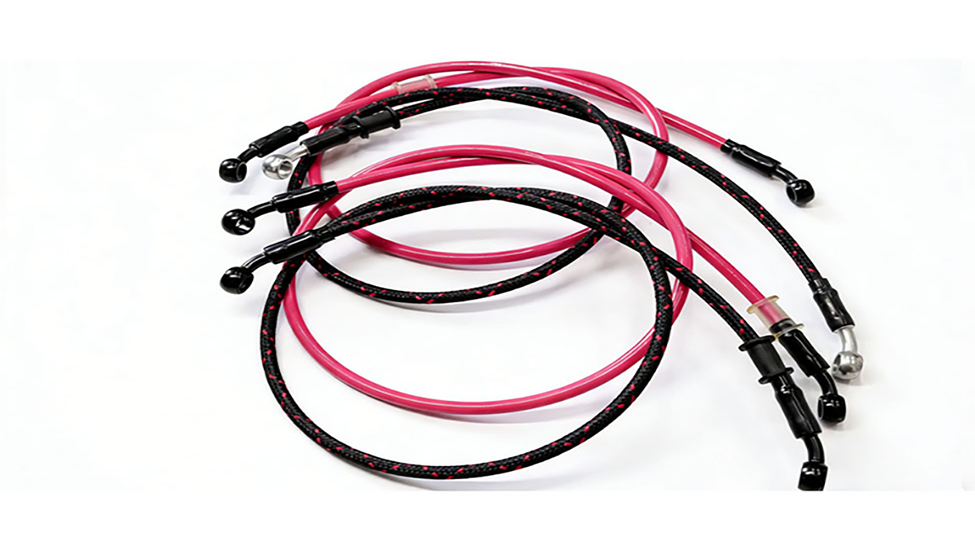
Nylon Brake Lineis widely used where flexibility and lightweight characteristics are required.
It is suitable for:
We support customized specifications based on customer requirements.
Nylon Brake Line Assemblycombines hose and fitting solutions into a complete ready-to-install product.
Customization options include:
Rubber Brake Line Assemblyremains a popular choice for OEM replacement markets because of its flexibility and cost advantages.
However, regular inspection is important because rubber materials naturally age over time.
Fresh brake fluid helps maintain proper hydraulic operation and reduces internal contamination.
When purchasing brake hoses, customers should confirm:
We manufacture customized brake hose solutions for motorcycle modification brands, distributors, repair shops, and OEM customers worldwide.
Our main products include:
If you have drawings, samples, or special requirements, our engineering team can provide professional suggestions and customized production support.
Brake hose replacement depends on material, environment, and usage conditions. Regular inspection helps identify aging problems before failure.
A quality modified brake hose can improve hydraulic stability and braking consistency when correctly selected and installed.
Most vehicles can use customized PTFE brake lines when the correct size, fittings, and specifications are confirmed.
Possible causes include brake hose restriction, caliper piston problems, old brake fluid, or incorrect installation. A complete brake system inspection is recommended.