Brake drag is a common issue noticed after driving, especially when the wheel feels hot, the vehicle slows down unexpectedly, or fuel consumption increases. In many cases, the problem is related to the brake line system rather than the caliper itself. Understanding the causes of brake drag can help prevent premature wear and improve driving safety.
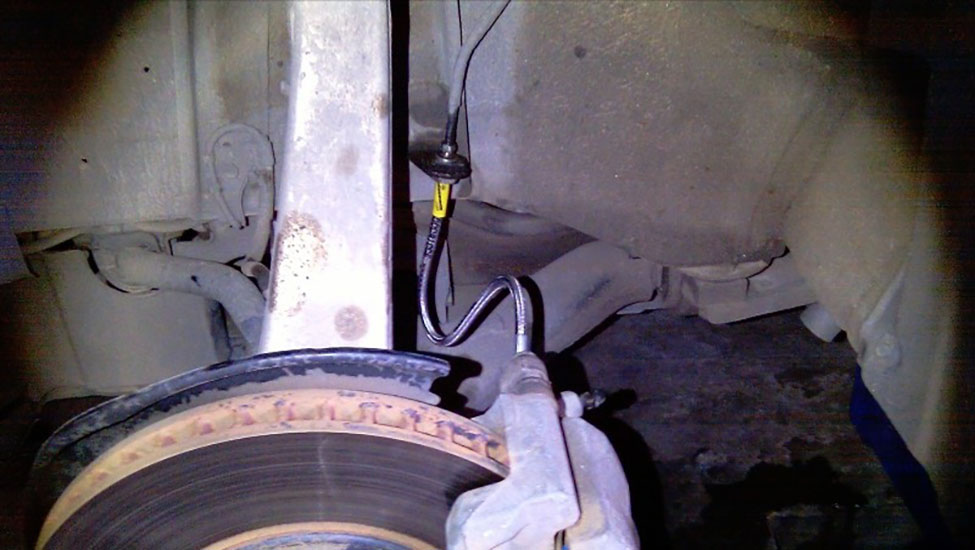
If one wheel becomes noticeably hotter after driving, it may indicate restricted brake fluid return in the line.
Uneven brake pressure caused by damaged hoses or internal blockage can lead to dragging brakes.
Brake drag increases rolling resistance, forcing the engine to work harder.
Old or damaged brake hoses may collapse internally. This prevents brake fluid from returning to the master cylinder after braking.
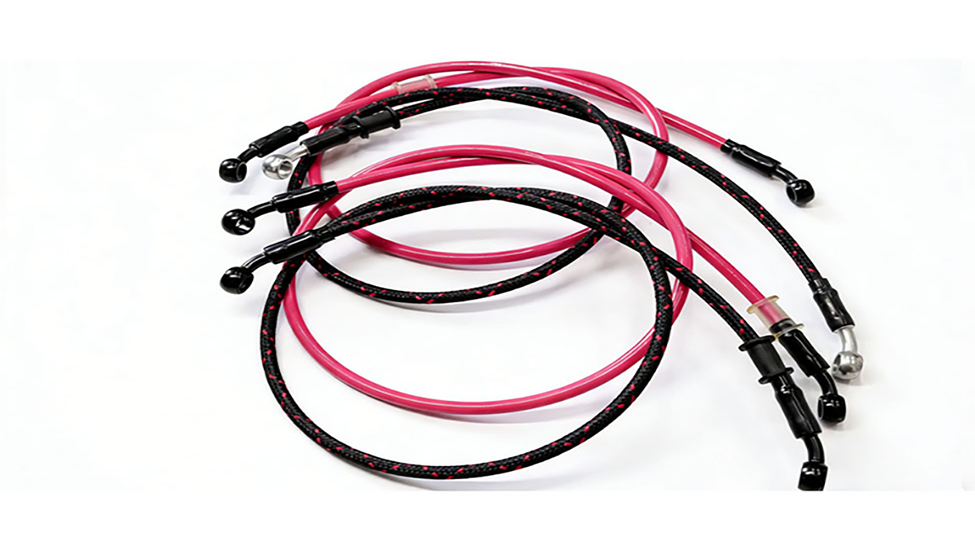
Upgrading to performance brake lines such as Teflon Brake Line, PTFE Brake Line Assembly, Nylon Brake Line or Rubber Brake Line Assembly helps ensure stable fluid pressure and prevents internal hose deformation.
High-quality brake lines maintain consistent hydraulic pressure, resulting in faster and more reliable braking.
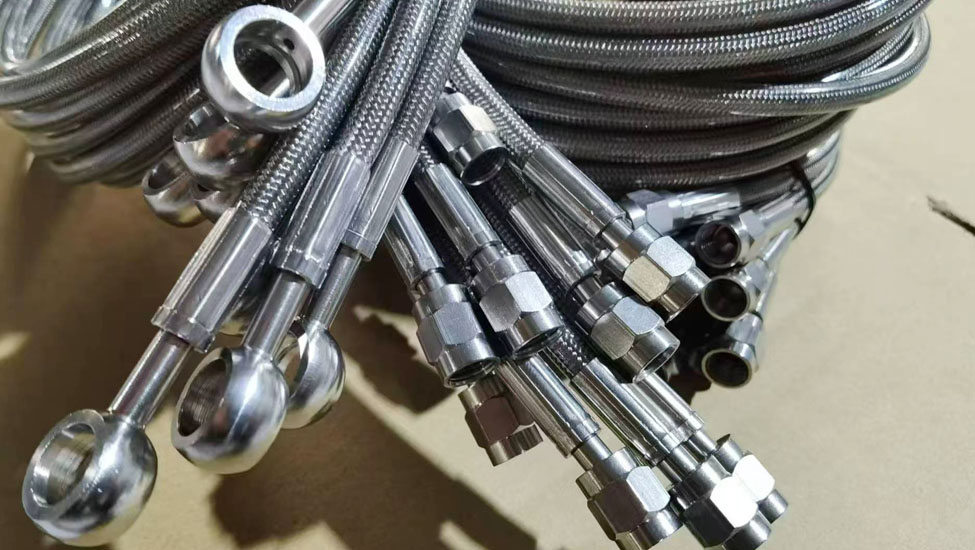
Performance hoses such as stainlesssteelbraided hose and braided brake lines are designed to withstand high temperatures during aggressive driving.
Materials like PTFE and reinforced nylon provide better resistance to corrosion, heat, and pressure.
We manufacture a wide range of brake hose solutions including Teflon brake line, nylon brake line assembly, PTFE brake line assembly, rubber brake line assembly, stainlesssteelbraided hose and braided brake lines for automotive and motorcycle applications.
Most manufacturers recommend inspection every 2 years and replacement depending on wear and driving conditions.
Yes. Performance brake hoses provide more stable hydraulic pressure and better braking response.
Most vehicles can use upgraded brake lines with the correct fittings and specifications.
If you have drawings, samples, or specific requirements, our engineering team can help produce custom brake hose assemblies. Contact us here to discuss your project.