Brake drag is a common issue that many motorcycle and vehicle owners experience after driving for a period of time. The typical symptoms include the vehicle feeling difficult to move, reduced acceleration, increased fuel consumption, unusual heat from the wheels, or the brake not releasing completely after the lever or pedal is released.
Many people first suspect the brake caliper or brake pads, but the brake hose and hydraulic system can also be important causes of brake drag.
As a professional brake hose manufacturer, we explain the main reasons why brakes drag after driving and how choosing the correct brake hose solution can improve braking reliability.
Brake drag happens when the brake pads continue to contact the brake disc after the braking action has stopped.
Under normal conditions, the brake piston should release slightly after braking, allowing the wheel to rotate freely.
When the brake system cannot release pressure properly, it may cause:
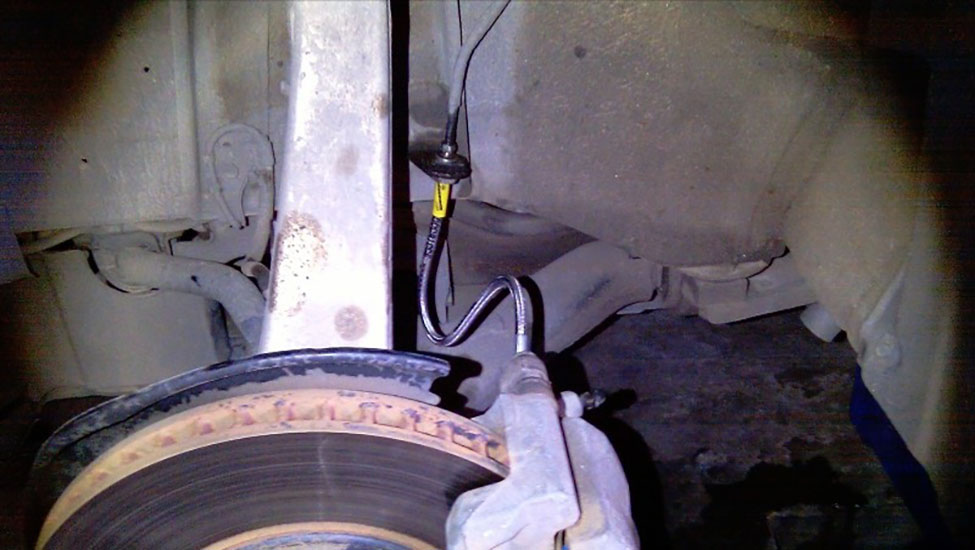
One of the overlooked causes of brake drag is internal damage inside the brake hose.
After long-term use, some brake hoses may develop internal deterioration. The inner layer can become damaged or partially collapsed, affecting brake fluid flow.
This can create a situation where:
In this situation, upgrading to a high-quality brake hose can help improve hydraulic pressure control.
The brake caliper piston needs to move smoothly during braking and release.
Common causes include:
Although the caliper is often the main suspect, the complete hydraulic system should always be inspected.
Brake fluid absorbs moisture over time. Old or contaminated brake fluid may affect system performance.
Possible results include:
Traditional rubber brake hoses may expand under high pressure, especially after repeated braking or high temperature operation.
In some cases, the hose structure may affect pressure release after braking.
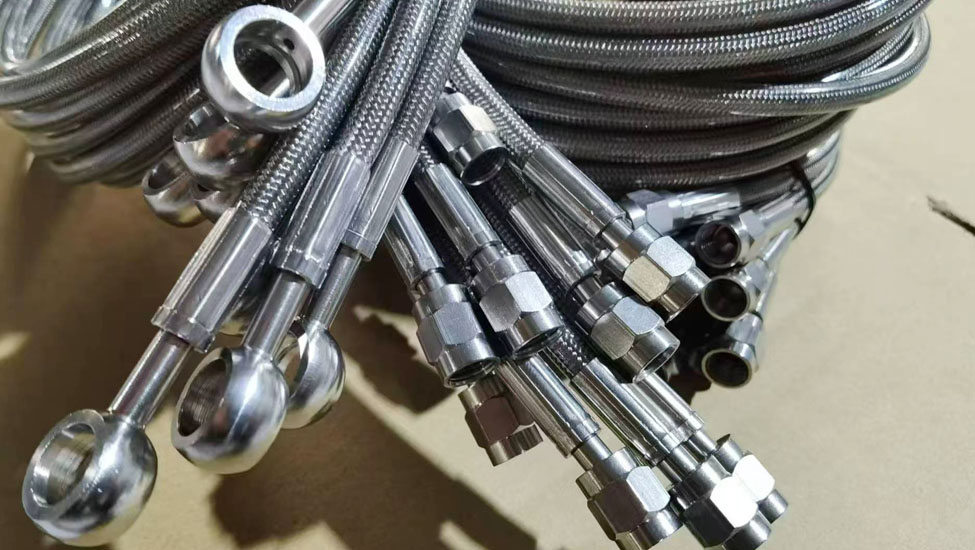
This is one reason many motorcycle enthusiasts and performance users choose upgraded brake lines.
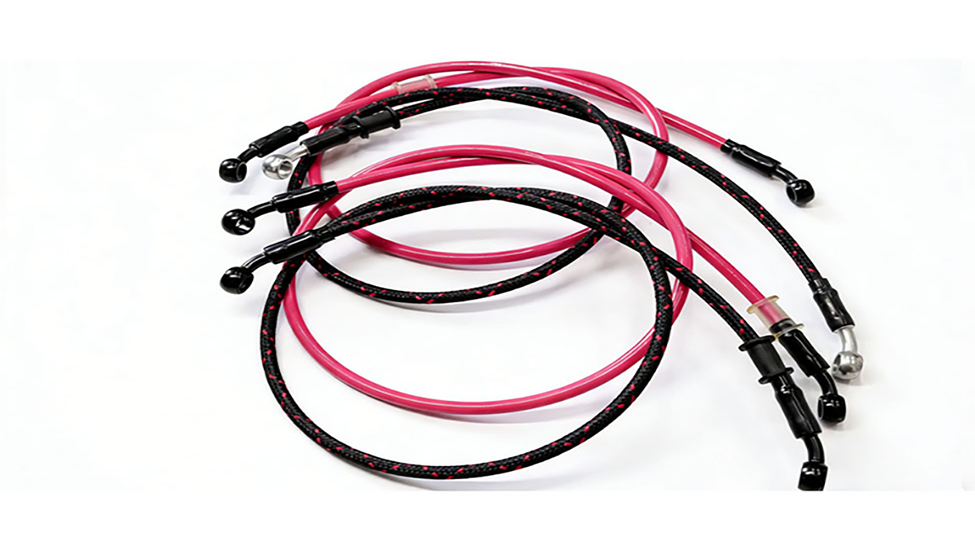
Teflon brake lines are widely used in performance applications because of their excellent temperature resistance and chemical stability.
Advantages include:
PTFE brake line assemblies are commonly selected for motorcycles, racing applications, and customized brake systems.
PTFE material provides excellent resistance against:
Nylon brake lines provide flexibility, durability, and lightweight characteristics for different vehicle applications.
Nylon Brake LineRubber brake line assemblies remain popular because of their flexibility and cost efficiency.
For OEM replacement markets, high-quality rubber hose assemblies with proper reinforcement can provide reliable service life.
Rubber Brake Line AssemblyAfter driving, compare wheel temperatures. One wheel being significantly hotter may indicate brake drag.
A professional technician can check whether hydraulic pressure is releasing correctly.
Check for:
Different regions have different operating conditions.
For example:
Before purchasing customized brake hoses, confirm:
We specialize in manufacturing customized brake hose solutions for motorcycles, cars, modified vehicles, and performance applications.
Our main products include:
We support OEM and custom production including:
If you have drawings, samples, or special requirements, please send them to our engineering team.
We can provide customized brake hose solutions according to your application and market requirements.
Contact Us For Custom Brake Hose SupportBrake hose replacement depends on material quality, driving conditions, temperature, and maintenance. Regular inspection is recommended.
A high-quality brake hose can improve hydraulic stability and provide more consistent braking performance when correctly selected and installed.
Most motorcycles and vehicles can use customized brake hoses. Customers should confirm specifications before ordering.