Why Brake Lines Fail: Common Causes of Brake Hose Damage and How to Prevent Them
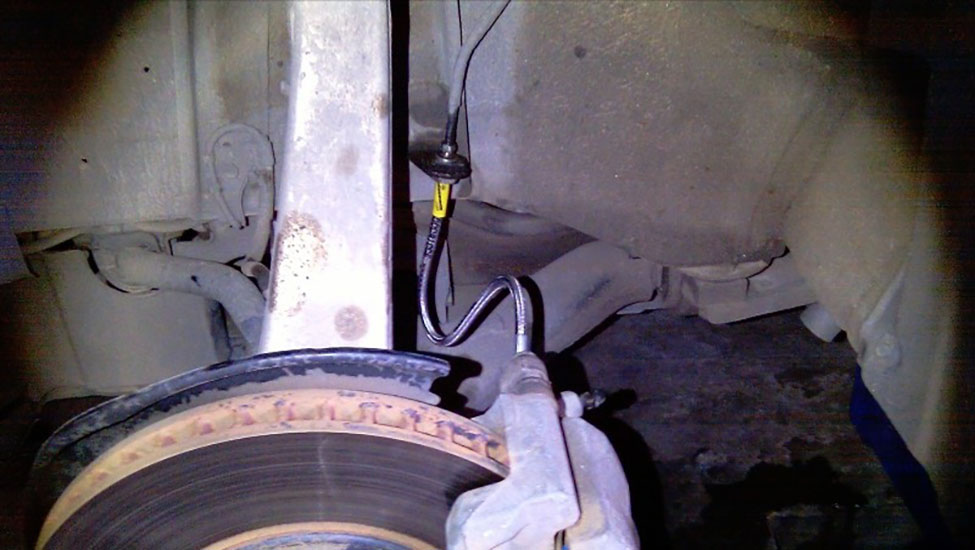
Brake hoses are a critical part of every hydraulic braking system. They transfer brake fluid pressure from the master cylinder to the brake caliper, allowing the vehicle to slow down and stop safely.
Although brake hoses are designed for long-term operation, they are exposed to pressure, heat, vibration, moisture, and chemical conditions every day. Over time, these factors can cause brake hose performance problems or even failure.
Understanding why brake lines fail and how to prevent damage can help vehicle owners, repair shops, and aftermarket distributors choose better brake hose solutions.
How Do Brake Hoses Work in a Hydraulic Brake System?
A hydraulic braking system works by transferring force through brake fluid.
When the driver presses the brake pedal or motorcycle brake lever, hydraulic pressure is generated and transmitted through the brake lines to activate the brake caliper.
The brake hose must maintain:
- Stable hydraulic pressure
- Flexible movement with suspension
- Resistance to heat and vibration
- Long-term sealing performance
Any damage or weakness in the brake hose can affect braking response.
Common Causes of Brake Hose Failure
1. Natural Aging of Brake Hose Material
One of the most common reasons for brake hose failure is material aging.
Traditional rubber brake hoses may gradually become harder or weaker after years of exposure to:
- High temperatures
- Brake fluid
- Humidity
- Road chemicals
- UV exposure
Aging can cause cracks, swelling, and reduced pressure resistance.
2. Internal Brake Hose Collapse
Sometimes the outside of a brake hose looks normal, but internal damage has already occurred.
Internal hose deterioration may cause:
- Restricted brake fluid flow
- Slow brake release
- Brake drag after driving
- Uneven braking performance
This type of problem can be difficult to identify without professional inspection.
3. Brake Hose Expansion Under Pressure
During braking, hydraulic pressure increases rapidly inside the hose.
Older rubber hoses may expand slightly under pressure, which can result in:
- Soft brake pedal feeling
- Longer brake response time
- Reduced braking consistency
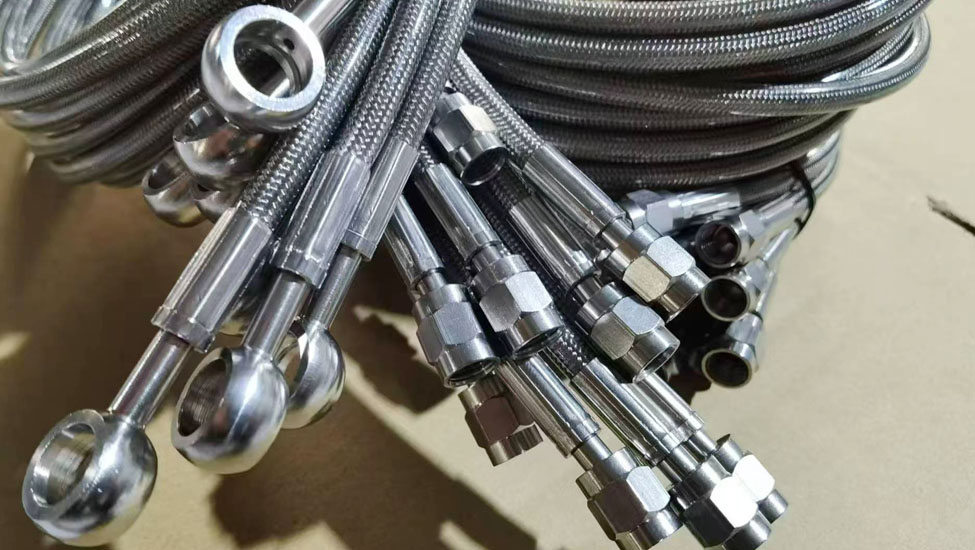
For performance applications, many drivers choose stainless steel braided brake lines because the reinforcement structure helps reduce expansion.
4. External Damage and Abrasion
Brake hoses are installed near wheels and suspension components, making them exposed to mechanical risks.
Common external damage includes:
- Friction with vehicle parts
- Stone impact
- Incorrect routing
- Contact with sharp edges
Regular inspection can help identify external damage before failure occurs.
5. High Temperature Damage
Brake temperature can increase significantly during:
- Performance driving
- Racing conditions
- Mountain driving
- Heavy vehicle operation
Continuous heat exposure accelerates material aging and may reduce brake hose service life.
Warning Signs That Your Brake Hose May Have Problems
Soft Brake Pedal or Soft Brake Lever
A soft brake pedal often indicates that the hydraulic pressure is not being transferred efficiently.
Possible reasons include:
- Air in brake system
- Brake fluid issues
- Brake hose expansion
- Internal hose damage
Brake Fluid Leakage
Brake fluid around hose connections or fittings should never be ignored.
Check for:
- Wet areas around fittings
- Fluid stains
- Cracked hose surface
A leaking brake hose should be replaced immediately.
Brake Does Not Release Completely
If the brake remains partially engaged after releasing the pedal or lever, possible causes include:
- Collapsed brake hose
- Blocked internal passage
- Caliper problems
How to Prevent Brake Hose Failure?
Regular Inspection
Brake hoses should be checked during regular vehicle maintenance.
Inspect:
- Outer surface condition
- Fittings
- Leakage signs
- Installation position
Use High Quality Brake Hose Materials
Choosing the correct brake hose material can improve reliability.
Different applications require different solutions.
Brake Hose Material Comparison
Rubber Brake Hose
Rubber brake hoses are widely used in original vehicle applications because they offer good flexibility and cost advantages.
However, long-term exposure to heat and pressure may affect performance.
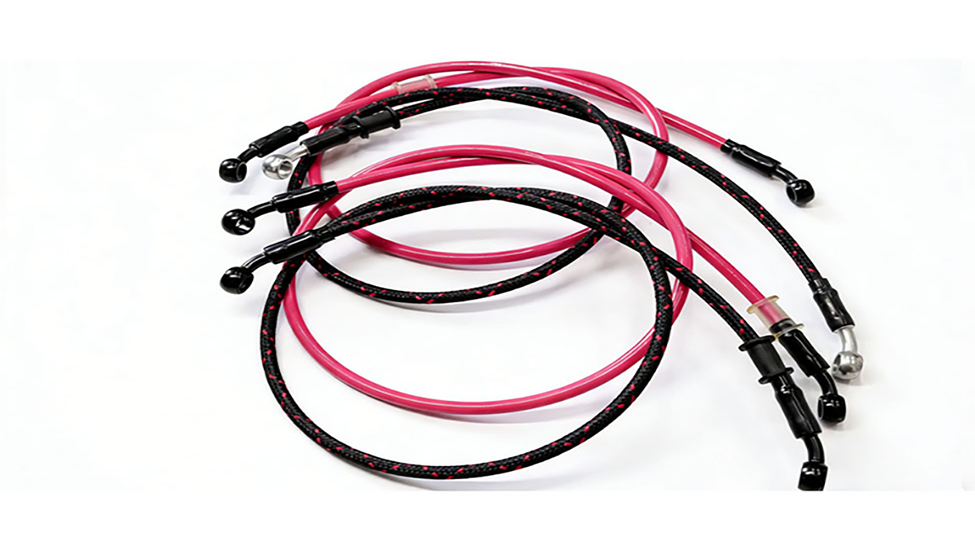
Teflon Brake Line
Teflon Brake Lineuses PTFE material with excellent chemical resistance and temperature stability.
It is commonly selected for high-performance and modified applications.
Nylon Brake Line
Nylon Brake Lineprovides lightweight characteristics and reliable performance for various applications.
PTFE Brake Line Assembly
PTFE Brake Line Assemblycombines PTFE hose technology with professional fittings for complete brake system solutions.
Why More Modified Vehicles Choose Braided Brake Lines
The aftermarket modification industry has higher requirements for brake system performance.
Stainless steel braided brake lines provide advantages including:
- Reduced hose expansion
- Stable brake pressure
- Better pedal feedback
- Improved durability
- Professional appearance
Installation Tips to Extend Brake Hose Service Life
Avoid Incorrect Bending
Brake hoses should not be sharply bent or twisted during installation.
Check Hose Routing
Make sure the brake hose does not contact:
- Tires
- Suspension moving parts
- Exhaust systems
- Sharp metal edges
Use Correct Brake Fluid
Always use brake fluid recommended for the braking system.
Incorrect fluid may damage hose materials and seals.
Our Brake Hose Manufacturing Products
We provide customized brake hose solutions for motorcycles, cars, and modified vehicles worldwide.
- Teflon Brake Line
- Nylon Brake Line
- PTFE Brake Line Assembly
- Nylon Brake Line Assembly
- Rubber Brake Line Assembly
- Stainless Steel Braided Hose
- Braided Brake Lines
FAQ About Brake Hose Problems
Why is my brake pedal becoming soft?
Possible causes include air in the system, brake fluid problems, worn brake components, or brake hose expansion.
Can a damaged brake hose cause brake failure?
Yes. A severely damaged or leaking brake hose may reduce hydraulic pressure and affect braking performance.
How often should brake hoses be inspected?
Regular inspection is recommended during vehicle maintenance, especially for modified vehicles and high-performance applications.
Are stainless steel braided brake lines safer?
High-quality braided brake lines can provide more stable pressure transmission and improved performance when properly manufactured and installed.
Need Reliable Brake Hose Solutions?
If you need customized brake hoses for motorcycles, cars, or aftermarket applications, our engineering team can provide professional solutions according to your drawings, samples, and specifications.
Contact Usfor OEM brake hose projects, customized production, and wholesale cooperation.