Brake hoses are one of the most important safety components in any hydraulic braking system. Although brake hoses are designed to work under high pressure and harsh road conditions, long-term exposure to heat, vibration, friction, and external impact may cause the outer layer to become damaged or exposed.
For motorcycle riders, vehicle owners, repair shops, and aftermarket distributors, understanding why brake hoses become exposed can help prevent brake system failures and improve vehicle safety.
This article explains the common causes of brake hose exposure, possible risks, inspection methods, maintenance tips, and how to choose more durable brake hose solutions for modified vehicles.
Brake hose exposure usually refers to a situation where the protective outer layer of the hose is damaged, worn away, cracked, or the internal reinforcement layer becomes visible.
A brake hose normally consists of multiple layers, including an inner tube, reinforcement layer, and protective outer cover. When the outer protection is damaged, the hose becomes more vulnerable to environmental factors.
The inner tube is responsible for transferring brake fluid and maintaining hydraulic pressure inside the braking system.
The reinforcement layer provides pressure resistance and structural strength. Depending on the design, it may include textile reinforcement or stainless steel braided materials.
The outer layer protects the brake hose from abrasion, moisture, chemicals, road debris, and temperature changes.
One of the most common reasons for brake hose damage is continuous friction against nearby components.
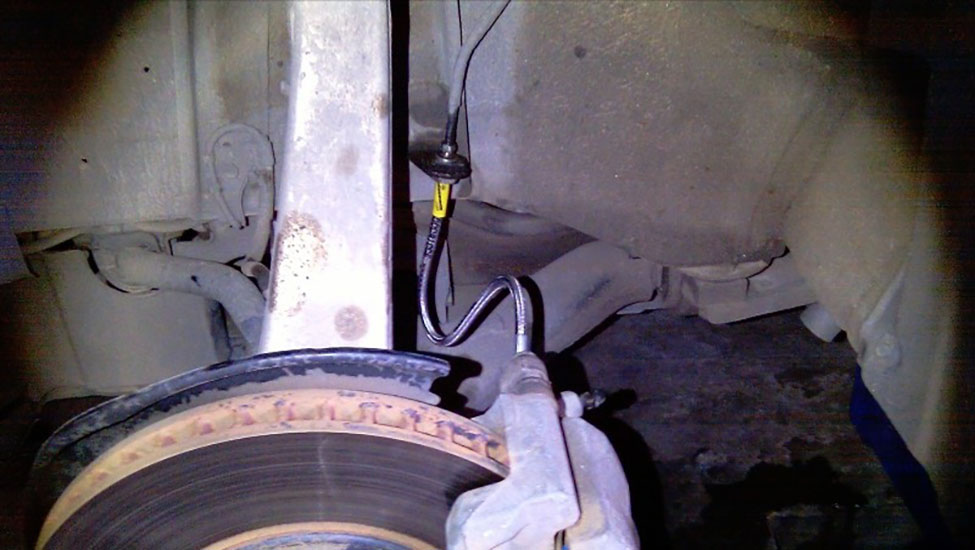
During driving, suspension movement causes the brake hose to move constantly. If the hose contacts the wheel, suspension parts, brackets, or sharp edges, the outer layer may gradually wear away.
Professional installation is important because even a high-quality brake hose can be damaged if it is installed incorrectly.
Brake hoses operate near high-temperature areas such as brake calipers and wheels. Continuous exposure to heat can accelerate material aging.
In regions such as Southeast Asia and the Middle East, high temperatures and demanding road conditions make material quality especially important.
Small stones, sand, and road debris may impact brake hoses during daily driving, especially on motorcycles, off-road vehicles, and vehicles used in poor road conditions.
Repeated impact may damage the protective surface and reduce the service life of the brake hose.
Brake hoses may come into contact with chemicals during vehicle maintenance or operation.
Oil, fuel, cleaning chemicals, and other fluids may affect certain hose materials if exposure occurs for a long period.
Material quality directly affects brake hose durability.
Low-quality brake hoses may experience faster aging, cracking, expansion, or surface damage compared with professionally manufactured products.
A damaged brake hose should not be ignored because it may affect braking performance and vehicle safety.
When the outer structure is damaged, the hose may become weaker under repeated hydraulic pressure cycles.
Severe damage may eventually cause brake fluid leakage, reducing the efficiency of the braking system.
Drivers may notice changes such as:
Regular inspection is one of the easiest ways to identify brake hose problems early.
For motorcycles and vehicles with moving suspension systems, check whether the brake hose moves freely without pulling, twisting, or contacting other components.
Modified vehicles often change suspension height, wheels, calipers, or brake systems. After modification, brake hose routing should always be checked.
Selecting the right material is the first step to improving brake hose durability.
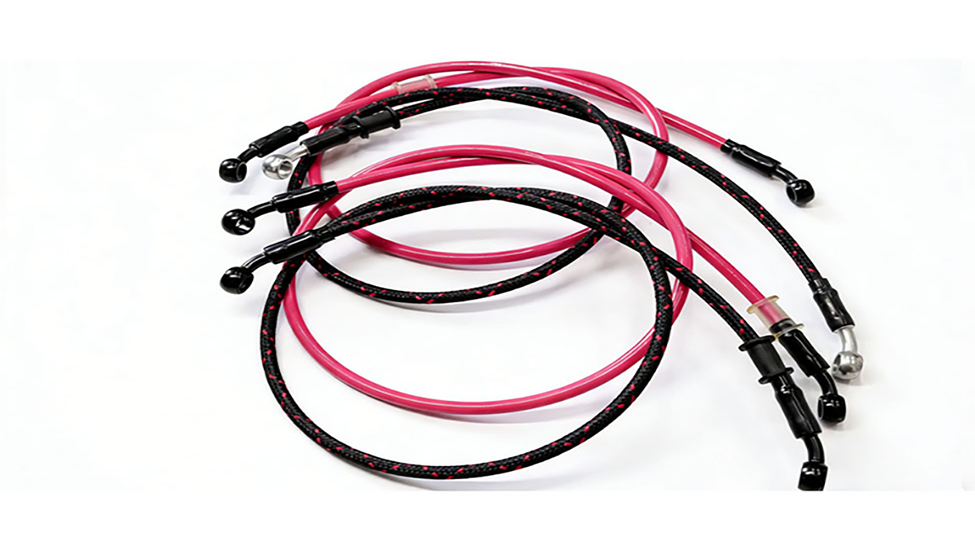
Teflon Brake Lineis commonly selected for performance applications because Teflon/PTFE materials provide excellent chemical resistance and temperature stability.
It is suitable for motorcycles, modified vehicles, and applications requiring stable hydraulic performance.
If you need customized hose length, fittings, samples, or production according to drawings, our engineering team can provide professional solutions.
Nylon Brake Lineprovides a lightweight solution for different vehicle applications.
Nylon materials are widely used where flexibility, durability, and weight control are important factors.
PTFE Brake Line Assemblycombines PTFE tubing with professional fittings to provide a complete hydraulic brake solution.
Nylon Brake Line Assemblyis suitable for customers requiring customized assembly solutions.
Rubber Brake Line Assemblyremains a popular choice for standard replacement and OEM applications.
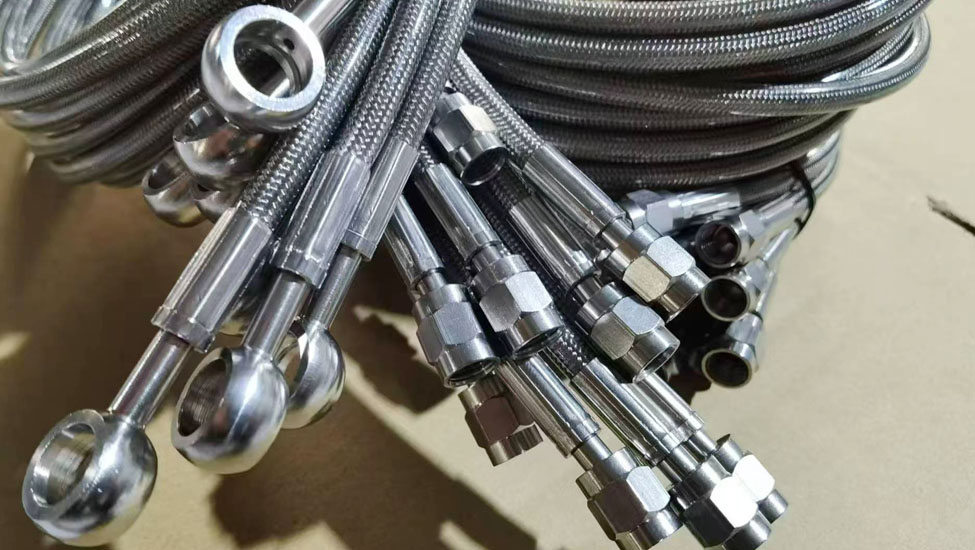
Stainless steel braided brake lines provide additional protection compared with standard rubber hoses.
The stainless steel reinforcement layer helps protect the inner tube and improves resistance against external damage.
High humidity and frequent rainfall require brake hoses with good corrosion resistance and stable material performance.
High temperatures require brake hoses that can maintain reliable performance under extreme heat conditions.
Customers usually focus on manufacturing precision, product consistency, and technical specifications.
Durability and adaptability to different road conditions are important purchasing considerations.
We specialize in manufacturing customized brake hose solutions for global customers, including motorcycle manufacturers, distributors, repair shops, and modification brands.
We provide OEM and ODM brake hose solutions according to customer drawings, samples, vehicle models, specifications, and special requirements.
If you have a new project, customized design, or special application requirement, our engineering team can help select the correct brake hose structure and material.
Brake hose replacement depends on material quality, usage environment, vehicle condition, and maintenance. Regular inspection is recommended.
A damaged brake hose is generally not recommended to be repaired because braking components require high reliability. Replacement is usually the safer solution.
High-quality upgraded brake hoses can improve braking consistency by providing better pressure stability and durability.
Most motorcycles and vehicles can use braided brake lines when the correct specifications, fittings, and installation requirements are confirmed.