When Should You Replace Brake Lines? Complete Guide for Modified Vehicles and Performance Applications
Brake hoses are often overlooked during vehicle maintenance, but they play a critical role in transferring hydraulic pressure inside the braking system.
Unlike brake pads or brake discs, brake hoses do not have a simple replacement mileage. Their service life depends on material quality, driving environment, temperature conditions, and maintenance history.
For modified vehicles, motorcycles, and performance applications, choosing the right brake hose and knowing when to replace it are important for maintaining stable braking performance.
This guide explains brake hose lifespan, replacement signs, upgrade benefits, and how to choose the right brake line solution.
How Long Do Brake Hoses Usually Last?
The service life of a brake hose depends on several factors, including:
- Hose material quality
- Vehicle usage conditions
- Temperature exposure
- Brake system pressure
- Installation quality
Traditional rubber brake hoses may gradually deteriorate after years of use because rubber materials are affected by heat, moisture, and chemical exposure.
High-performance PTFE brake hoses with stainless steel braided reinforcement generally provide better durability and stability when properly manufactured and installed.
Signs That Your Brake Lines Need Replacement
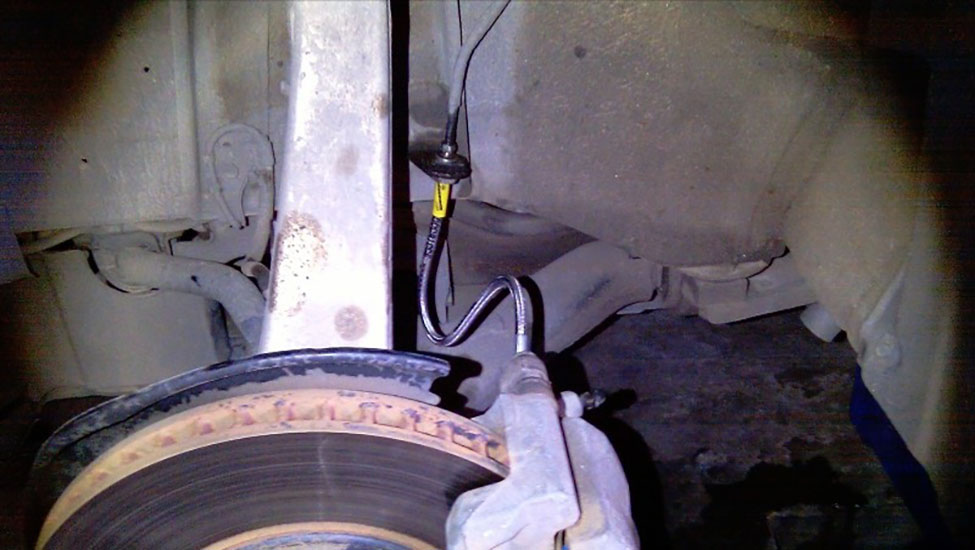
1. Cracks or Aging on the Brake Hose Surface
Visible cracks, hardening, or surface damage are common signs of brake hose aging.
A damaged outer layer may allow moisture and contaminants to affect the internal structure.
During inspection, check for:
- Surface cracks
- Swelling areas
- Abrasion marks
- Damaged protective layer
2. Soft Brake Pedal or Weak Brake Response
A soft brake pedal can indicate that hydraulic pressure is not being transmitted efficiently.
Possible causes include:
- Brake hose expansion
- Internal hose deterioration
- Air inside the brake system
- Brake fluid problems
For modified vehicles, upgrading to braided brake lines can help improve brake pressure consistency and pedal feedback.
3. Brake Fluid Leakage
Brake fluid leakage around hose fittings or connections is a serious warning sign.
Possible leakage locations include:
- Brake hose ends
- Fittings
- Connection points
- Damaged hose sections
A leaking brake hose should be replaced immediately.
4. Brake Drag or Slow Brake Release
If brakes remain partially engaged after releasing the pedal, the brake hose may have internal problems.
Possible causes:
- Internal hose collapse
- Restricted brake fluid return
- Aging hose material
Why Modified Vehicles Need Brake Hose Upgrades
Factory brake systems are designed for normal driving conditions.
However, modified vehicles often operate under higher demands:
- Higher engine power
- Performance tires
- Aggressive driving styles
- Higher braking temperatures
Under these conditions, upgraded brake hoses can provide more stable performance compared with standard components.
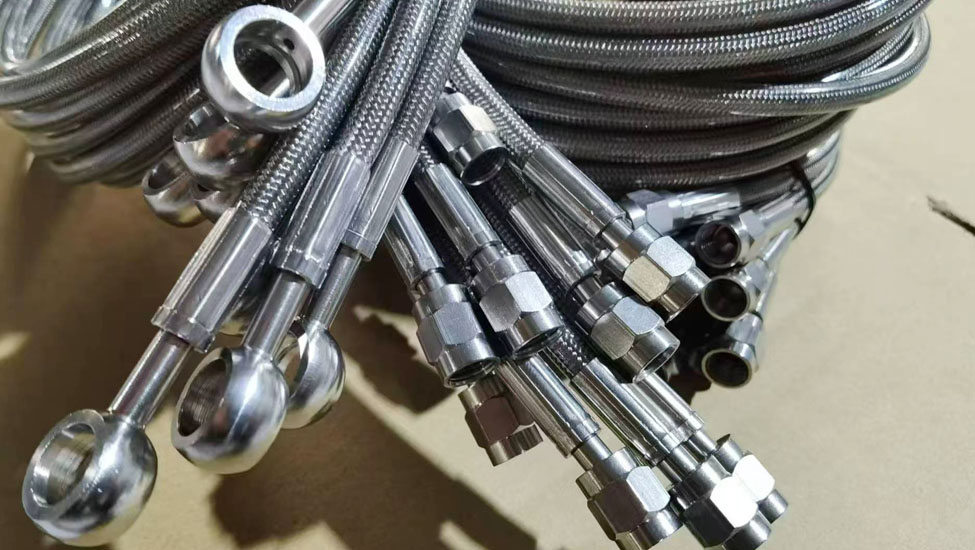
Advantages of Stainless Steel Braided PTFE Brake Hose Upgrade
Improved Pressure Stability
A stainless steel braided structure reduces hose expansion under hydraulic pressure.
This helps provide:
- More direct brake feeling
- Faster brake response
- Consistent braking performance
Better Temperature Resistance
During high-performance driving, brake temperatures can increase significantly.
PTFE materials provide excellent temperature resistance and help maintain stable performance in demanding environments.
Enhanced Chemical Resistance
Brake hoses are constantly exposed to brake fluid and environmental conditions.
PTFE materials offer strong chemical resistance, helping improve long-term reliability.
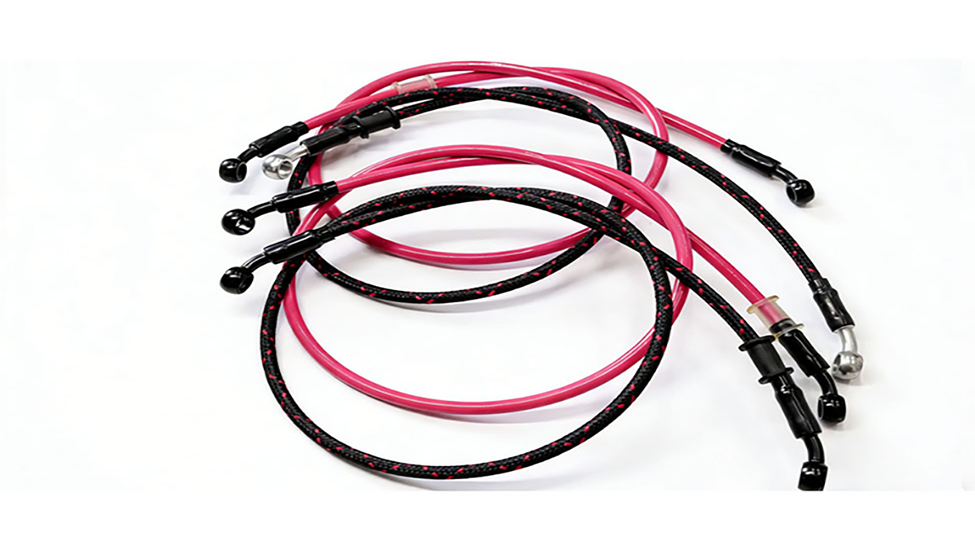
Professional Appearance and Customization
Modern aftermarket customers care about both performance and appearance.
Customized brake hoses allow manufacturers and brands to provide different colors and specifications for various markets.
How to Choose the Right Brake Hose Replacement Solution
Consider Vehicle Application
Different vehicles require different brake hose specifications.
Before replacement, confirm:
- Vehicle model
- Brake system type
- Required hose length
- Fitting specifications
Select Suitable Brake Hose Material
Different materials have different characteristics.
Teflon Brake Line
Teflon Brake Lineis widely used in performance applications because of its excellent temperature resistance and chemical stability.
Nylon Brake Line
Nylon Brake Lineoffers lightweight characteristics and reliable performance for different vehicle applications.
PTFE Brake Line Assembly
PTFE Brake Line Assemblyprovides complete brake hose solutions with professional assembly and fittings.
Nylon Brake Line Assembly
Nylon Brake Line Assemblyis suitable for applications requiring customized hose assemblies.
Rubber Brake Line Assembly
Rubber Brake Line Assemblyremains a popular solution for standard vehicle applications requiring flexibility and cost efficiency.
Brake Hose Maintenance Tips to Extend Service Life
Regular Visual Inspection
Inspect brake hoses during routine maintenance.
Check:
- Leaks
- Cracks
- Loose fittings
- External damage
Keep Correct Installation Position
Incorrect installation may shorten brake hose lifespan.
Avoid:
- Twisting the hose
- Sharp bending
- Contact with moving parts
- Contact with exhaust heat
Replace Brake Fluid Regularly
Old brake fluid may contain moisture, which can affect brake system components.
Maintaining clean brake fluid helps protect the complete hydraulic system.
Our Main Brake Hose Products
We specialize in manufacturing customized brake hose solutions for global automotive and motorcycle markets.
- Teflon Brake Line
- Nylon Brake Line
- PTFE Brake Line Assembly
- Nylon Brake Line Assembly
- Rubber Brake Line Assembly
- Stainless Steel Braided Hose
- Braided Brake Lines
FAQ About Brake Hose Replacement
How often should brake hoses be replaced?
There is no fixed replacement interval. Brake hoses should be replaced according to inspection results, material condition, and operating environment.
Are stainless steel braided brake hoses worth upgrading?
For modified vehicles and performance applications, braided brake hoses can provide improved pressure stability and better brake response consistency.
Do upgraded brake hoses improve safety?
A high-quality brake hose helps maintain reliable hydraulic pressure transmission when properly selected and installed.
Can brake hoses be customized for different vehicles?
Yes. Professional manufacturers can customize hose length, fittings, materials, and appearance according to customer requirements.
Need Customized Brake Hose Solutions?
If you need brake hoses for motorcycles, cars, SUVs, or modified vehicles, our engineering team can provide professional solutions according to your drawings, samples, or technical requirements.
Contact Usfor OEM production, wholesale cooperation, and customized brake line projects.