When Brakes Get Tired: Diagnosing Pressure Loss and Fade Linked to Hydraulic Lines
For performance drivers and commercial fleets alike, the terms "brake fade" and "long pedal" are serious concerns. While often attributed to pads or rotors, the hydraulic lines themselves can be a significant contributor. This technical analysis explains how to diagnose if your flexible hoses are the hidden cause of diminished braking performance, especially under sustained use—common in mountain driving, towing, or track days popular in markets like Japan and the UAE.
Understanding the Two Types of "Fade"
First, it's crucial to distinguish between pad fade, fluid fade, and hydraulic fade.
- Pad Fade: Pads overheat, creating a gas layer that reduces friction. Pedal feels firm, but stopping power is reduced.
- Fluid Fade: Brake fluid boils, creating compressible vapor bubbles. Pedal becomes spongy and sinks to the floor.
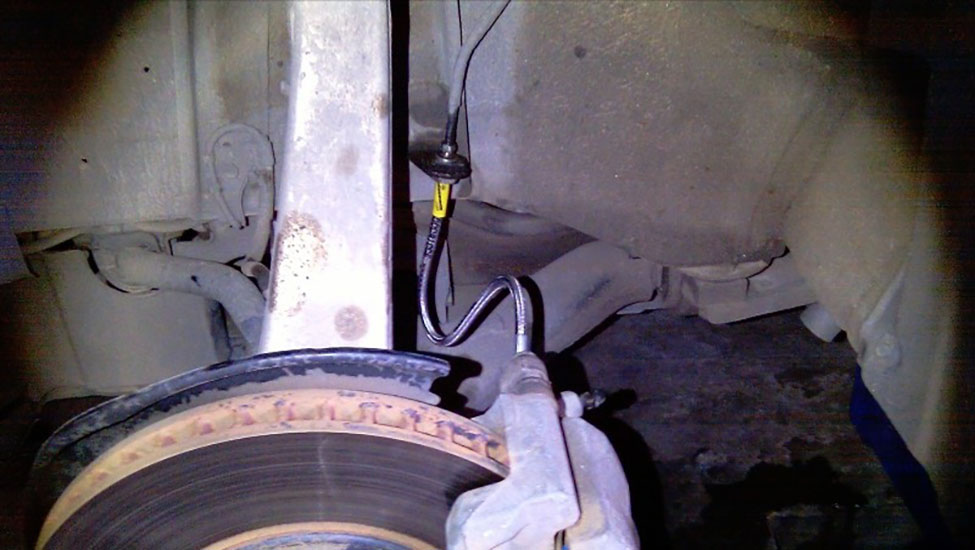
- Hydraulic Fade (Hose-Related): This is often misunderstood. It involves the physical expansion of the brake hose under high, sustained pressure and temperature.
Diagnosing Hydraulic Fade Caused by Hose Expansion
The Symptom Pattern
You experience a firm, short pedal when cold. After several aggressive stops or a long downhill descent, the pedal travel increases noticeably ("gets longer"), requiring a lower foot position to achieve the same braking force. The pedal may still feel firm at the end of its travel (different from the mushiness of air or boiled fluid), but the increased travel is problematic.
The Root Cause: Hose Compliance Under Heat and Pressure
Standard rubber hoses are elastomeric. As brake fluid temperature rises (from hot calipers and pads) and line pressure increases during hard braking, the hose material itself becomes more pliable. The inner tube and reinforcement expand radially, absorbing a small amount of fluid volume. This expansion acts like a tiny, inefficient accumulator, consuming pedal stroke. As the hose cools, it may contract, making the problem seem intermittent.
This is a fundamental design limitation of rubber-based brake hose assemblies, especially as they age and the material degrades.
The Solution: Eliminating the Expansion Variable
The fix is to replace the compliant rubber hose with a near-zero expansion line. This is achieved through material science and construction:
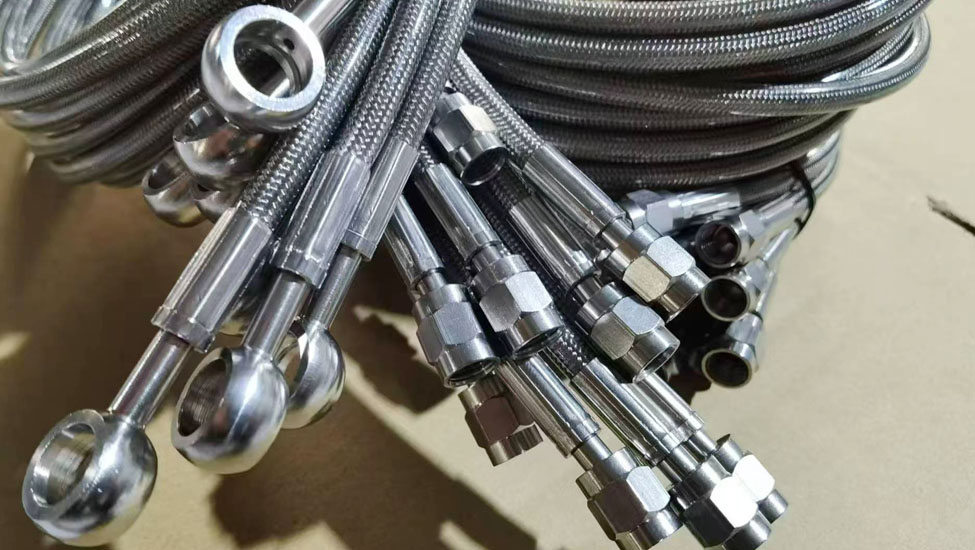
- Inner Core: Use a material with minimal thermal expansion and high tensile strength. Polytetrafluoroethylene (PTFE), commonly known as Teflon®, is exceptional in this regard. It is the core of our highest-performance Teflon Brake Lines.
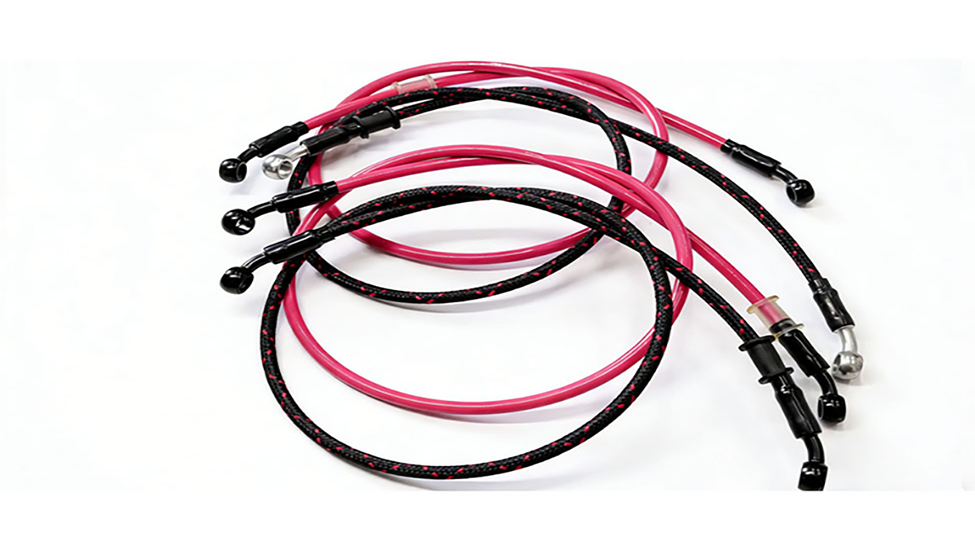
- Reinforcing Layer: Apply a braided sheath of high-grade stainless steel over the core. This braid is in tension and provides a hard limit to radial expansion, giving the hose its characteristic firm feel.
This construction, found in quality PTFE Brake Line Assemblies and many braided brake lines, virtually eliminates the volume change under pressure, ensuring that every millimeter of pedal travel directly translates to caliper piston movement, not hose swelling.
Practical Diagnosis and Upgrade Path
1. Test for Compliance: Perform the "Two-Person Pressure Hold Test" described in our first article, but do it after a drive that warms up the brakes. A hose that passes cold but expands slightly when hot is the culprit.
2. Evaluate Your Usage:
- Performance Driving/Towing: If you experience increased pedal travel under hard use, upgrading to a full PTFE/stainless Stainless Steel Braided Hose setup is the definitive solution.
- Heavy-Duty/Commercial Use: For durability and improved pedal consistency, a Nylon Brake Line offers a robust, cost-effective upgrade over rubber with lower expansion.
- Preventive Maintenance: For any vehicle over 5 years old used in demanding conditions, proactively replacing all flexible lines with a modern brake line assembly restores and often improves the original pedal feel.
Installation Critical Step: Bleeding
After installing any new brake line, a meticulous brake bleed is non-negotiable. Any air trapped in the system will cause a spongy pedal, masking the benefit of the new, firm lines. Always use fresh, high-temperature brake fluid (DOT 4 or 5.1) compatible with your vehicle.
Technical FAQ
Q: Will braided lines completely eliminate brake fade?
A: They eliminate *hydraulic fade* caused by hose expansion. They do not address pad fade or fluid fade. For complete system integrity, pair them with high-temperature brake pads and fresh, high-boiling-point fluid.
Q: Are there any drawbacks to braided lines?
A: The primary consideration is that they are less forgiving of poor installation. They must be routed correctly to avoid chafing and should not be twisted. Their firmness can also transmit more high-frequency vibration to the pedal, which is normal. Their benefits in performance and reliability far outweigh these minor points for most users.
Q: My vehicle isn't a race car. Is this upgrade overkill?
A: Not at all. Consistency and reliability are safety features for every vehicle. The improved pedal feel and the elimination of a common failure point (aging rubber hoses) benefit any driver. It's a functional, longevity-focused upgrade.
Need help diagnosing a specific issue or sourcing a kit for a global vehicle model? Our technical team can assist. Contact us with your symptoms or vehicle details for a professional recommendation.