Step-by-Step Brake Line Inspection for Performance and Safety
In markets like Southeast Asia, the Middle East, and Japan, high temperatures and diverse driving conditions make regular brake line inspection essential for both passenger cars and modified vehicles.
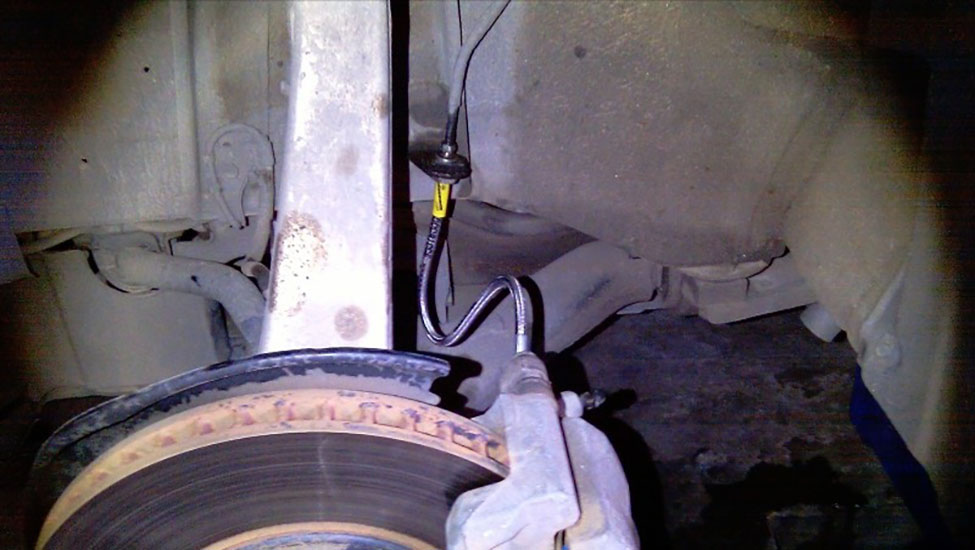
1. Visual Check for Surface Damage
Look for cracks, abrasions, or bulging along the hose. Damaged sections reduce burst strength and increase the risk of sudden leakage.
2. Checking for Fluid Leaks at Fittings
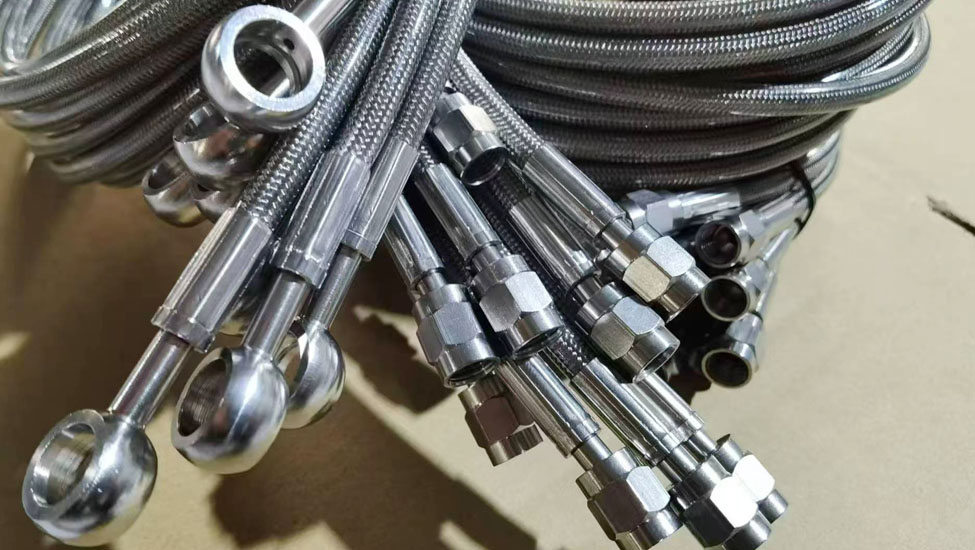
Moisture or wet spots near fittings often indicate seal fatigue. Upgrading to PTFE Brake Line Assembly reduces this risk thanks to superior chemical resistance.
3. Pedal Feel and Response Test
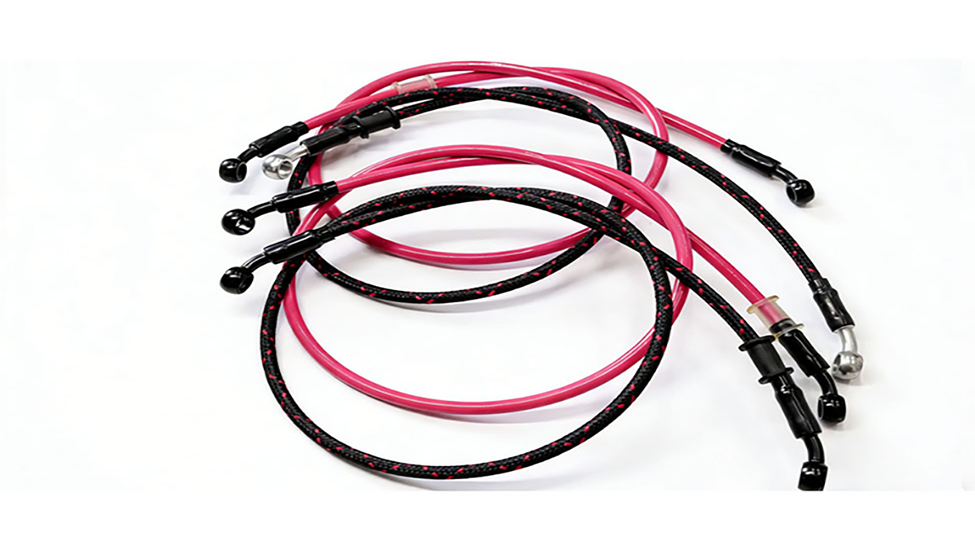
A spongy or overly firm brake pedal can signal internal hose collapse. Consider replacing worn lines with Teflon Brake Line or Nylon Brake Line Assembly for consistent hydraulic transfer.
Recommended Product Options
Maintenance Advice for Hot Regions
Inspect brake hoses every 15,000–20,000 km, flush fluid annually, and avoid direct high-pressure washing of fittings.
FAQ
How often should brake hoses be replaced?
Typically every 4–6 years, or immediately when defects are found.
Do upgraded hoses improve safety?
Yes. Zero-expansion designs maintain consistent pedal feel and shorten stopping distances.
Need custom specifications? Send us your drawings or samples.