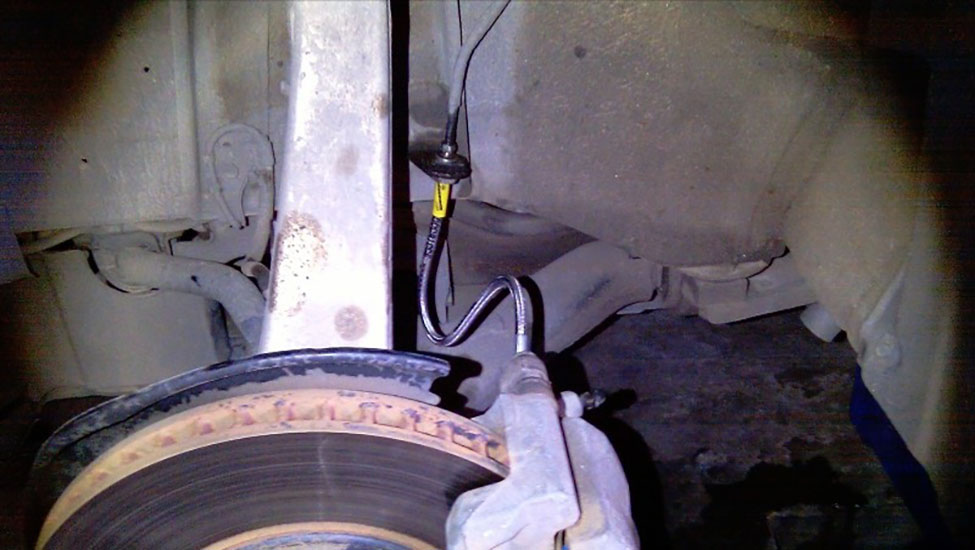
In markets such as the Middle East, Southeast Asia, and North Africa, high ambient temperatures accelerate hose degradation, which can lead to restricted fluid passages and harder pedal effort.
Rubber brake hoses soften and deform under extreme heat, reducing internal diameter and increasing resistance.
Humidity infiltrates aging hoses, promoting internal corrosion and debris buildup.
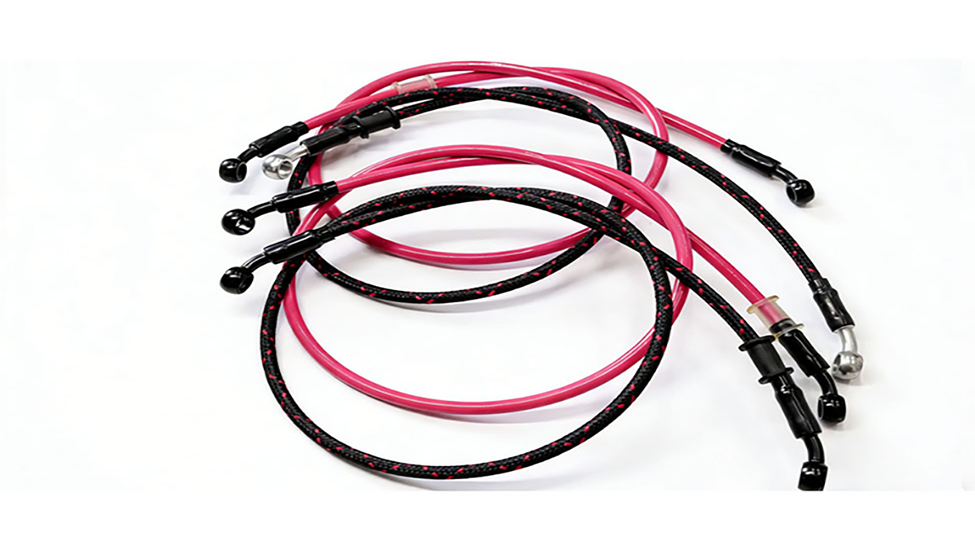
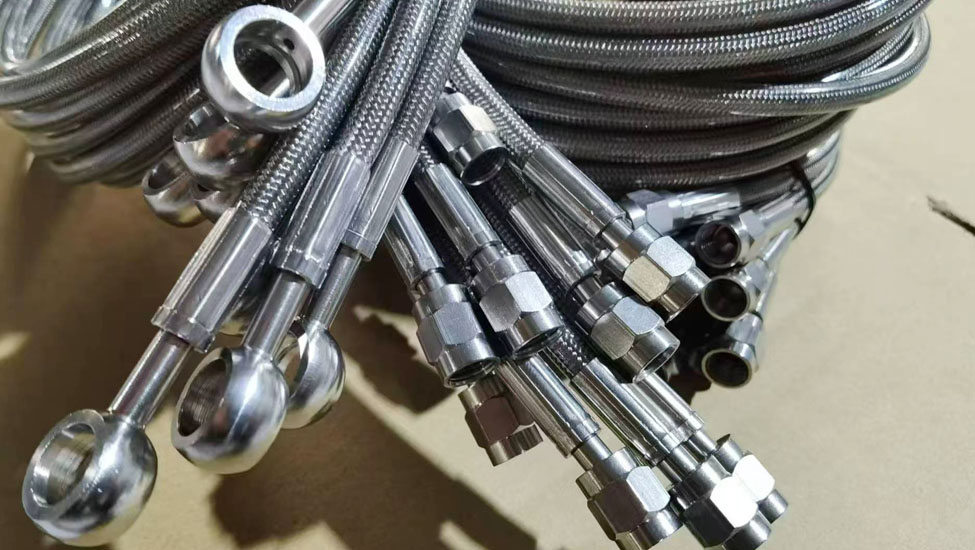
Upgrading to thermally stable products like Nylon Brake Line, PTFE Brake Line Assembly, and Teflon Brake Line ensures reliable fluid movement even under sustained braking.
Schedule annual brake fluid replacement and avoid aggressive braking unless necessary.
Which hose type performs best in hot regions?
PTFE and nylon-core hoses outperform rubber in heat resistance.
Can stiff pedal issues be fixed without replacing hoses?
Usually no—internal restrictions require new assemblies.
Do you support custom branding?
Yes. We provide OEM labeling for international customers.
View our technical catalog covering Nylon Brake Line Assembly and Rubber Brake Line Assembly, or reach out to our engineering department.