When upgrading a motorcycle braking system, many riders and aftermarket buyers ask an important question: Should they choose a PTFE brake line or continue using a traditional rubber brake hose?
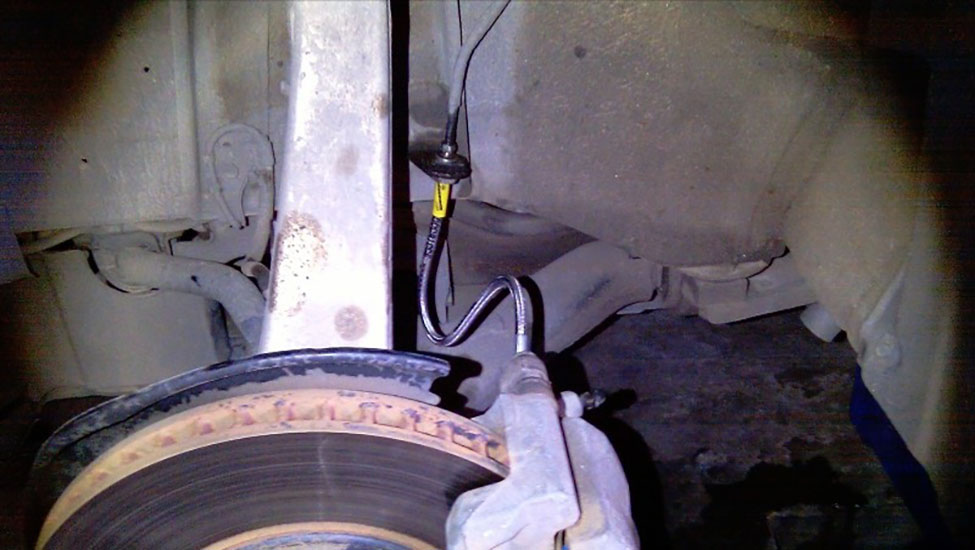
The brake hose is a key component in the hydraulic braking system. It transfers brake fluid pressure from the master cylinder to the brake caliper, directly affecting brake response, lever feeling, and riding confidence.
Although rubber brake hoses are widely used on original motorcycles, more performance riders, modification workshops, and motorcycle parts distributors are choosing PTFE brake lines because of their better pressure stability, temperature resistance, and long-term performance.
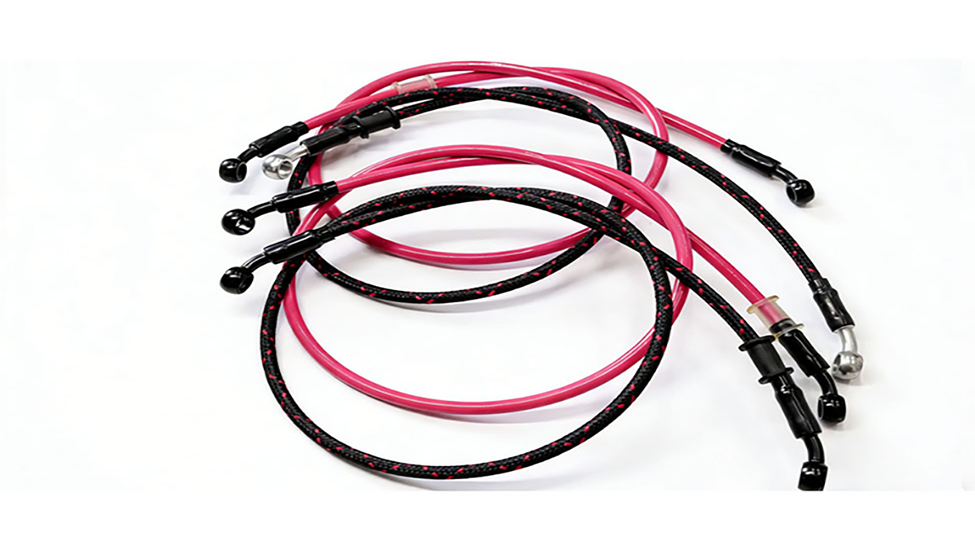
A PTFE brake line uses Polytetrafluoroethylene as the inner tube material. PTFE is a high-performance material known for excellent chemical resistance, low friction, and strong temperature stability.
A typical PTFE brake line structure includes:
This structure allows the brake hose to maintain stable shape and performance under high pressure braking conditions.
Rubber brake hoses are commonly installed on factory motorcycles because they provide flexibility, easy installation, and cost advantages.
A standard rubber brake hose usually contains reinforced rubber layers designed for normal daily riding conditions.
However, rubber materials may experience expansion and aging after long-term exposure to:
| Feature | PTFE Brake Line | Rubber Brake Hose |
|---|---|---|
| Material | PTFE inner tube with reinforcement | Rubber compound construction |
| Pressure Expansion | Very low expansion | Higher expansion under pressure |
| Brake Feeling | Firm and direct | Softer feeling |
| Heat Resistance | Excellent | Limited |
| Performance Riding | Suitable for racing and modification | Mainly standard riding |
| Service Stability | Long-term stable performance | Requires regular inspection |
One of the biggest reasons motorcycle riders upgrade to PTFE brake lines is the improvement in brake feel.
During braking, hydraulic pressure needs to be transferred quickly and accurately. A brake hose with excessive expansion may reduce the direct feeling between the rider and the brake system.
PTFE brake lines help provide:
Motorcycles used for sport riding, mountain roads, and racing applications often experience repeated braking cycles.
During continuous braking, brake system temperature increases significantly.
PTFE brake lines maintain stable performance under high temperature conditions, helping reduce changes in brake feeling.
Motorcycles around the world operate in different climates.
For customers in Southeast Asia, Middle East, Japan, Korea, and Africa, brake hose durability is especially important because motorcycles may face:
PTFE brake lines provide excellent resistance against environmental conditions and help maintain stable braking performance.
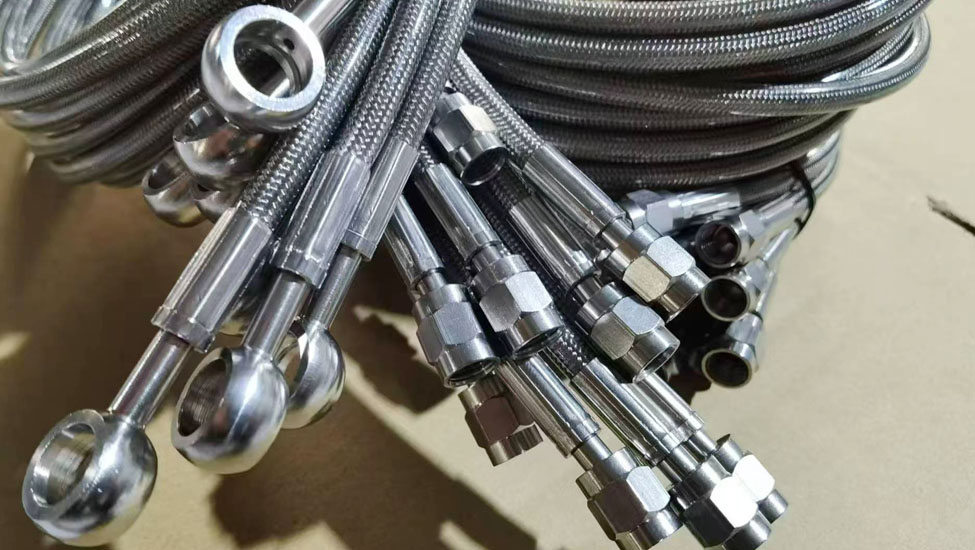
Many high-performance PTFE brake lines use stainless steel braided reinforcement to improve strength and reduce expansion.
The stainless steel braided layer provides:
OurPTFE Brake Line Assemblyis designed for motorcycle modification companies, distributors, and OEM customers requiring reliable brake system solutions.
Sport motorcycles require accurate braking control because riders often demand faster response and better feedback.
For motorcycle customization projects, upgrading the brake system is an important step to improve overall performance.
Common applications include:
Long-distance riders require stable braking performance during different road conditions.
PTFE brake lines help maintain consistent brake response during extended riding.
Besides PTFE brake lines, we also manufacture different brake hose solutions for various applications.
Teflon Brake Lineis widely used in performance hydraulic systems because of its excellent chemical and temperature resistance.
Nylon Brake Lineprovides lightweight and flexible solutions for different applications.
Nylon Brake Line Assemblyoffers customized assembly solutions according to customer requirements.
Rubber Brake Line Assemblyis suitable for standard vehicle applications requiring reliable hydraulic performance.
Before purchasing a brake line, confirm:
Different applications require different materials:
For wholesalers and distributors, customization capability is important.
Professional manufacturers can provide:
We are a professional brake hose manufacturer providing customized solutions for global motorcycle and vehicle aftermarket customers.
Our main products include:
If you have drawings, samples, product styles, or special requirements, our engineering team can provide customized brake line solutions.
We support:
Contact Usfor customized PTFE brake line solutions.
For performance motorcycles and modified applications, PTFE brake lines provide better pressure stability and temperature resistance.
A high-quality brake line with correct installation can improve braking consistency and reliability.
Yes. Professional manufacturers can customize hose length, fittings, and specifications according to motorcycle models.
Regular inspection is recommended, especially for motorcycles used in high-temperature, humid, or performance riding environments.