How to Choose the Right Motorcycle Brake Line for Performance and Durability
Choosing the right motorcycle brake line is an important part of maintaining reliable braking performance. Whether you are a motorcycle parts distributor, aftermarket brand, repair workshop, or vehicle manufacturer, understanding brake line materials, construction, and assembly requirements helps you select products that match different riding conditions and vehicle applications.
Motorcycle brake lines must withstand hydraulic pressure, vibration, temperature changes, moisture, and repeated movement during operation. For buyers sourcing aftermarket motorcycle brake lines, the right choice depends on material compatibility, pressure ratings, fitting design, hose routing, and manufacturing quality.
1. What Should You Consider When Choosing a Motorcycle Brake Line?
Operating Pressure and Brake Fluid Compatibility
A motorcycle brake line transfers hydraulic pressure from the master cylinder to the brake caliper. The hose must be designed for the intended braking system and compatible with the specified brake fluid. Buyers should check the manufacturer's pressure rating, temperature range, and fluid compatibility before selecting a product.
A properly specified Teflon Brake Line can be suitable for applications requiring a PTFE inner tube, provided the complete hose assembly is engineered and tested for the intended service conditions.
Temperature Resistance and Environmental Conditions
Motorcycles operate in different environments, from humid tropical regions in Southeast Asia to hot, dusty conditions in the Middle East. Brake hoses may also be exposed to road debris, water, cleaning chemicals, and engine heat.
When comparing brake hose materials, evaluate the complete construction rather than the outer appearance alone. The inner tube, reinforcement layer, protective cover, fittings, and crimping process all affect the performance and service life of the finished assembly.
Vehicle Compatibility and Hose Routing
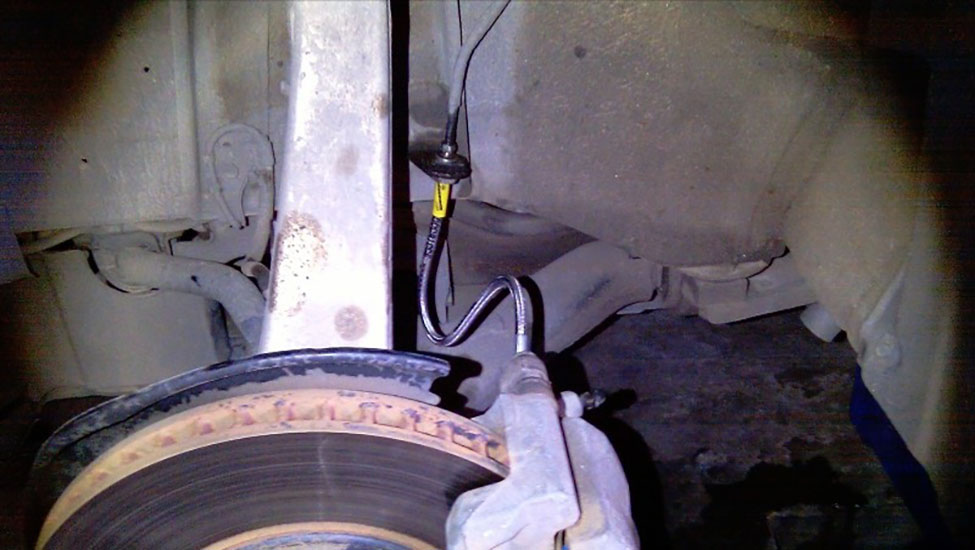
A motorcycle brake line must have the correct length, fitting angles, thread specifications, and connection types. The hose should follow the intended routing without twisting, kinking, rubbing against sharp edges, or interfering with suspension and steering movement.
For aftermarket and OEM projects, confirming the vehicle model, brake system configuration, and fitting specifications before production can reduce installation problems and unnecessary replacement costs.
2. Comparing Common Motorcycle Brake Line Materials
PTFE Brake Lines for Specialized Applications
PTFE, also known as polytetrafluoroethylene, is used as an inner tube material in various hydraulic hose applications. Its chemical resistance and broad temperature capability make it useful in brake line designs where the selected construction meets the system requirements.
A PTFE Brake Line Assembly typically combines a PTFE inner tube with suitable reinforcement and end fittings. When sourcing these assemblies, buyers should confirm pressure performance, fluid compatibility, fitting security, and applicable testing requirements.
When Should Buyers Consider PTFE Construction?
- When the application requires a PTFE inner tube.
- When chemical compatibility and operating temperature are important selection factors.
- When the project requires a custom hose length or specified fitting configuration.
- When the finished assembly has been verified for the intended braking system.
Nylon Brake Lines for Suitable Fluid and Tubing Applications
Nylon tubing is widely used in automotive, industrial, and fluid-transfer systems. However, not every nylon tube is suitable for hydraulic braking. Buyers must distinguish general-purpose nylon tubing from products specifically engineered and approved for brake system use.
A Nylon Brake Line or Nylon Brake Line Assembly should only be selected for a braking application when the complete product has the required pressure capability, brake fluid compatibility, temperature resistance, and safety validation.
Important Checks Before Selecting Nylon Products
- Confirm that the product is specifically rated for the intended brake application.
- Verify compatibility with the specified brake fluid and operating temperature.
- Check connection design, dimensional tolerances, and assembly requirements.
- Request relevant test reports and technical documentation from the supplier.
Rubber Brake Lines for Established Vehicle Applications
Rubber brake hoses are commonly used in original-equipment braking systems. Depending on their construction and specifications, they can provide the flexibility needed for normal suspension and steering movement.
A Rubber Brake Line Assembly should be evaluated according to its intended vehicle application, pressure rating, temperature range, reinforcement structure, and resistance to environmental exposure. Rubber hose formulations and constructions vary, so buyers should avoid assuming that all rubber brake lines offer the same service life or performance.
Stainless Steel Braided Hose for Aftermarket Brake Line Projects
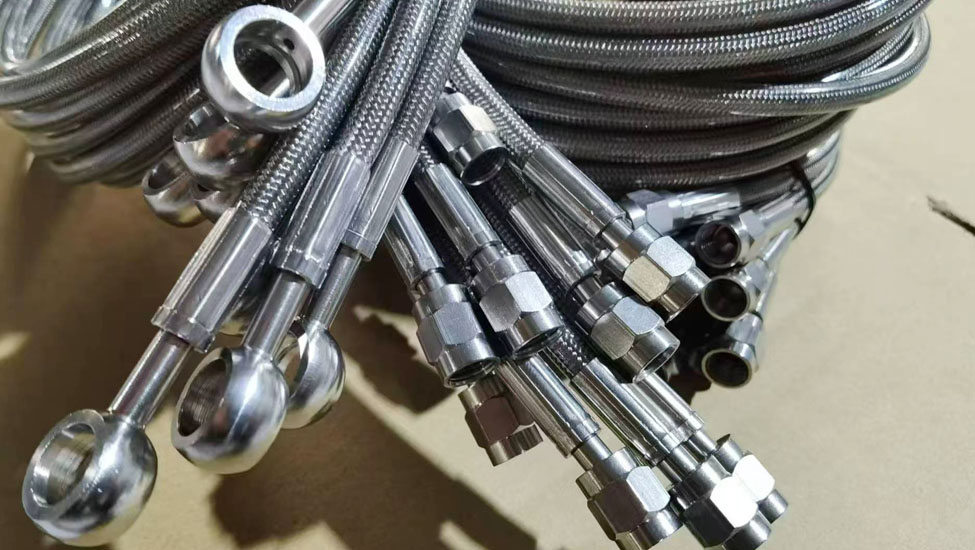
Stainless steel braided hose is a popular construction in the aftermarket brake line sector. The stainless steel braid acts as a reinforcement layer, helping the hose resist expansion when properly designed and manufactured.
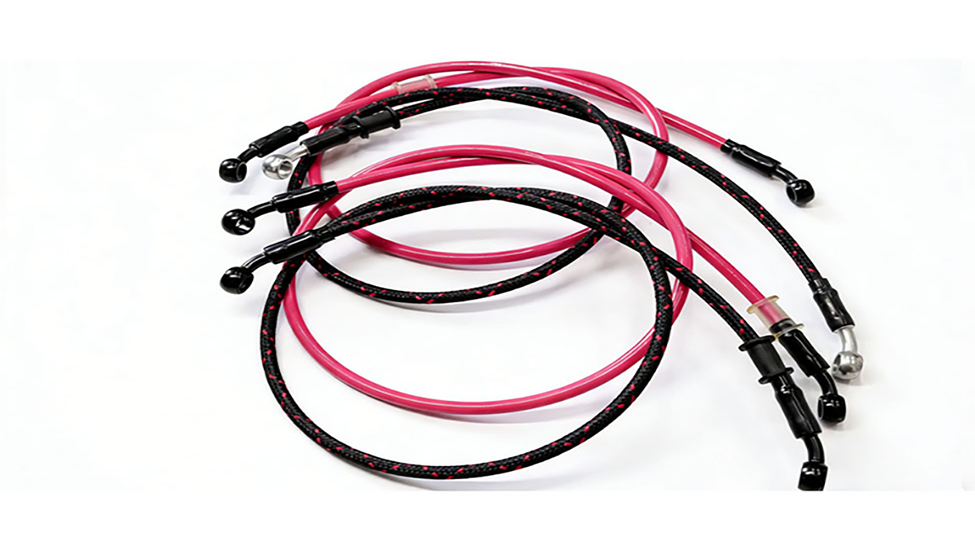
Braided Brake Lines are often selected for customized motorcycles, performance-oriented builds, and aftermarket replacement projects. Their actual performance depends on the inner tube, braid structure, fitting quality, assembly process, and test results.
For distributors and private-label brands, a Stainlesssteelbraided Hose product can offer options for custom lengths, fitting combinations, protective outer covers, and different appearance requirements. These options should always remain within the technical limits of the approved hose design.
3. Why Consider Upgrading to Aftermarket Motorcycle Brake Lines?
More Options for Customization
Aftermarket motorcycle brake lines can be manufactured for specific vehicle models, modified brake systems, and individual installation requirements. Customization may include hose length, fitting type, fitting angle, outer covering, and product identification.
For motorcycle parts wholesalers and aftermarket brands, custom brake line assemblies can help support different product ranges and customer requirements. Accurate technical specifications are essential to ensure that customization does not compromise braking safety.
Reinforcement Designed to Control Hose Expansion
Brake hose expansion under hydraulic pressure can influence brake lever feel. A correctly engineered reinforced hose may help control expansion under its specified operating conditions. However, the final result depends on the entire assembly and the condition of the braking system.
Changing the brake hose alone does not guarantee a shorter stopping distance. Brake pads, discs, calipers, master cylinders, tires, maintenance, and rider technique also affect overall braking performance.
Appearance Options for Modified Motorcycles
Modified motorcycle brake lines are available in different outer finishes and color options, depending on the manufacturer's product range. These options allow aftermarket brands to coordinate brake lines with motorcycle styling and other accessories.
Color and appearance should remain secondary to pressure resistance, correct fittings, abrasion protection, and verified product quality.
4. What Should B2B Buyers Check When Sourcing Brake Line Assemblies?
Manufacturing Consistency and Quality Control
For importers, distributors, motorcycle parts wholesalers, and aftermarket brands, supplier evaluation should cover more than the quoted unit price. Consistent production quality is essential when purchasing brake hose assemblies in volume.
- Material specifications and traceability.
- Hose dimensions and fitting compatibility.
- Crimping quality and assembly consistency.
- Pressure testing and other applicable validation procedures.
- Packaging, labeling, and batch identification.
- Technical documentation and product change control.
OEM and Private-Label Customization
OEM and private-label buyers may require custom specifications, branded packaging, different hose lengths, or particular fitting configurations. Providing drawings, samples, vehicle information, and expected order quantities can help manufacturers assess feasibility and establish clear production requirements.
Before placing a bulk order, buyers should confirm sample approval, inspection criteria, production lead time, packaging details, and the testing documentation available for the finished brake line assembly.
Compatibility Across Motorcycle and Scooter Models
Motorcycle and scooter brake systems differ in hose routing, fitting dimensions, connection standards, and braking configurations. A brake line designed for one model should not automatically be assumed suitable for another.
For export orders serving Southeast Asia, the Middle East, Japan, and South Korea, buyers should specify the target vehicle models and local market requirements clearly. Regional climate conditions may influence material and protection requirements, but vehicle compatibility and verified technical performance remain essential.
5. Common Motorcycle Brake Line Problems and Prevention
Cracking, Abrasion, and External Damage
Visible cracks, exposed reinforcement, bulging, leakage, or severe abrasion are warning signs that a brake hose needs professional inspection and may require replacement. Regular checks are particularly important for motorcycles used frequently in wet, dusty, or demanding environments.
Incorrect Fittings or Poor Hose Routing
Incorrect fittings, excessive bending, twisting, and contact with moving parts can create installation and durability problems. Always confirm fitting specifications and check the hose throughout the steering and suspension movement range using the vehicle manufacturer's service procedures.
Leaks and Unusual Brake Lever Feel
Brake fluid leakage, a spongy lever, or an unexpected change in brake response may indicate air in the system, hose damage, fluid problems, or another hydraulic fault. Stop riding and have the braking system inspected by a qualified technician before returning the motorcycle to service.
6. How to Select the Right Brake Line for Your Business
The best motorcycle brake line is the product that matches the intended application, required technical specifications, and quality standards. PTFE constructions, approved nylon products, rubber brake hoses, and stainless steel braided designs each serve different purposes and must be evaluated according to their verified specifications.
For B2B buyers, a reliable sourcing process starts with clear drawings, accurate vehicle information, confirmed material requirements, and documented quality checks. Manufacturers offering appropriate customization and consistent production control can help distributors and aftermarket brands develop brake line products for different market segments.
Frequently Asked Questions
Are stainless steel braided brake lines better than rubber brake lines?
Not in every application. Stainless steel braided and rubber brake lines use different constructions and may have different performance characteristics. The correct choice depends on vehicle requirements, approved specifications, installation conditions, and verified test results.
Can I use any PTFE or nylon tube as a motorcycle brake line?
No. General-purpose tubing should not be used in a hydraulic braking system unless the complete product is specifically designed, rated, and validated for that application.
What information should I provide when requesting a custom brake line quote?
Provide the application or vehicle model, required hose length, fitting type and angle, brake system details, material requirements, target quantity, and any applicable technical standards. Drawings or physical samples can help confirm specifications before mass production.
Conclusion
Selecting the right motorcycle brake line requires careful consideration of material, reinforcement, pressure capability, brake fluid compatibility, fittings, and installation requirements. For aftermarket brands, distributors, and OEM buyers, a well-specified brake line assembly can support product consistency and meet the needs of different motorcycle markets.
Before purchasing, confirm the intended application and request relevant technical documentation from the manufacturer. Brake system components should always be installed, inspected, and maintained according to the vehicle manufacturer's procedures and applicable safety requirements.