The brake system is the most critical safety component of any vehicle, whether it's a motorcycle, a passenger car, or a heavy-duty truck. At the heart of this system lies the brake hose, responsible for transferring hydraulic pressure. For buyers in Southeast Asia, the Middle East, and East Asia, choosing the right material—from traditional rubber to advanced PTFE—is essential for safety and longevity.
Not all brake lines are created equal. Depending on your application, you may need flexibility, extreme heat resistance, or rigid durability.
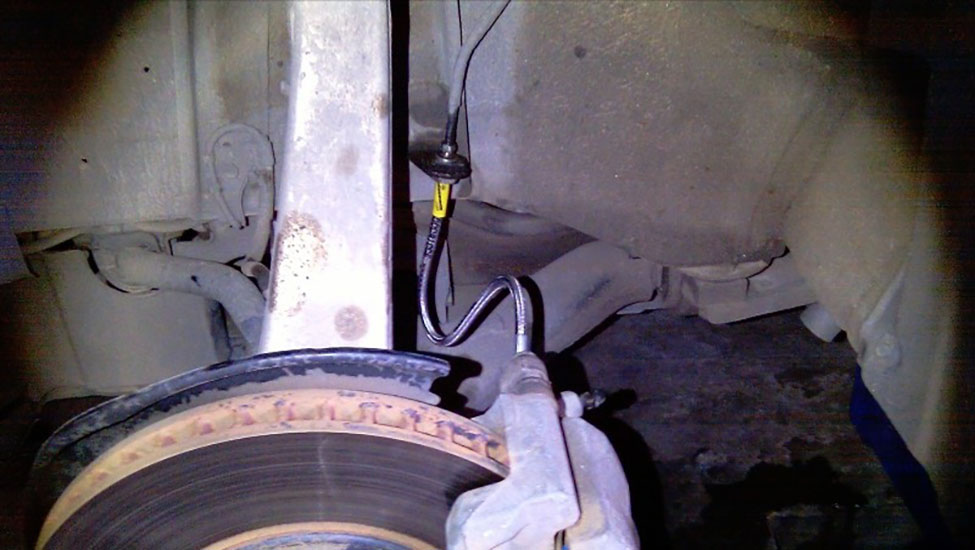
For most OEM applications, rubber is the standard. However, traditional rubber hoses can expand under pressure, leading to a "spongy" pedal feel. If you are looking for cost-effective replacements, our Rubber Brake Line Assembly offers high-quality manufacturing that meets international safety standards, ensuring reliability for daily driving.
If you are unsure which material fits your vehicle or machinery, or if you have specific drawings, let our engineers help you.
>> Click here to send us your drawings or samples contact us immediately.
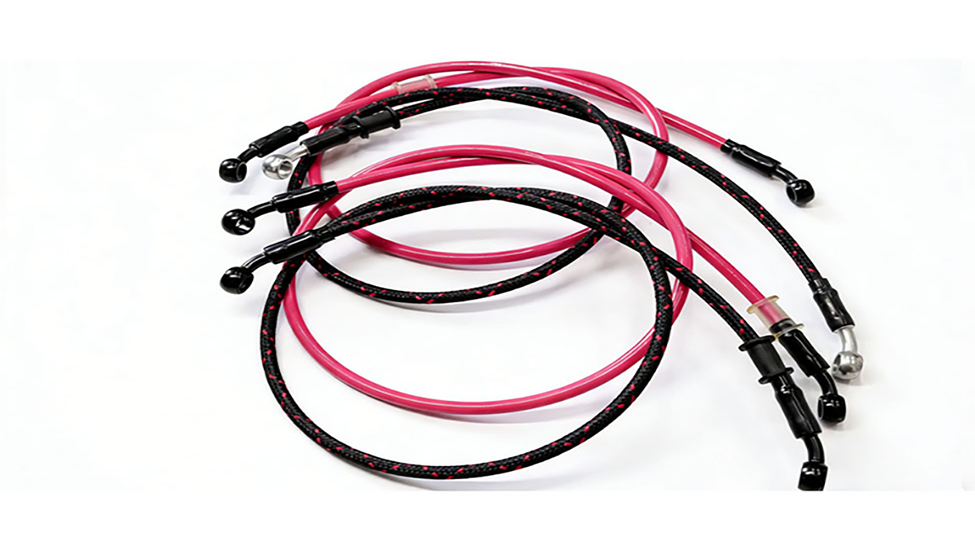
For racing vehicles in Japan or hot climates in the Middle East, heat resistance is paramount. This is where the Teflon Brake Line excels. Unlike rubber, a Teflon Brake Line (often referred to as PTFE) does not expand under high pressure.
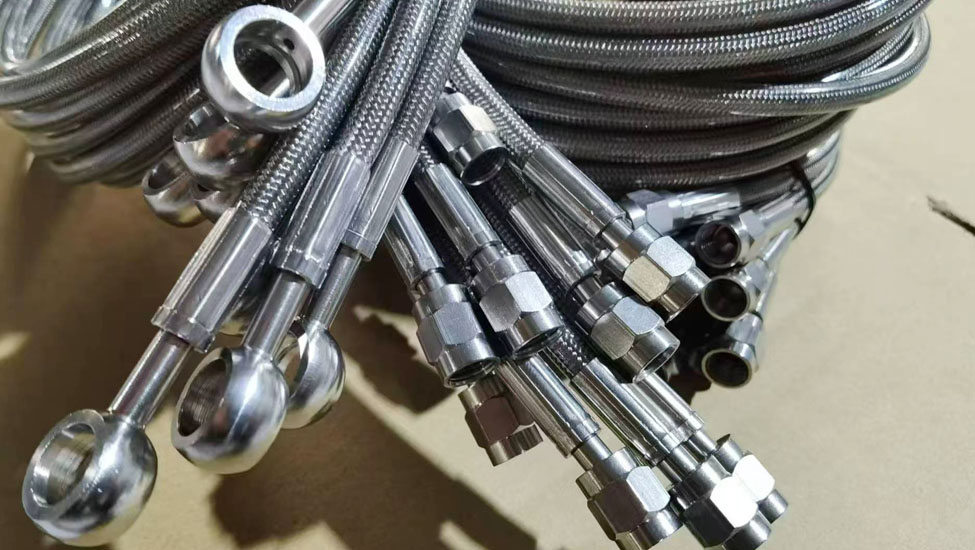
We highly recommend our PTFE Brake Line Assembly for customers seeking precision braking. These are often wrapped in a Stainlesssteelbraided Hose structure, providing protection against debris and abrasion while maintaining a firm pedal feel.
For pneumatic braking systems or specific fuel lines, Nylon is an excellent material due to its chemical resistance and flexibility. Our Nylon Brake Line products are designed to withstand harsh environments. We also offer complete Nylon Brake Line Assembly kits ready for installation.
When sourcing Braided Brake lines or standard hoses, keep these three factors in mind:
Regular maintenance extends the life of your brake system. We suggest:
We supply high-quality brake hoses to global markets. Send us your requirements today.