How to Check Brake Lines: Common Symptoms of Brake Hose Problems and Solutions
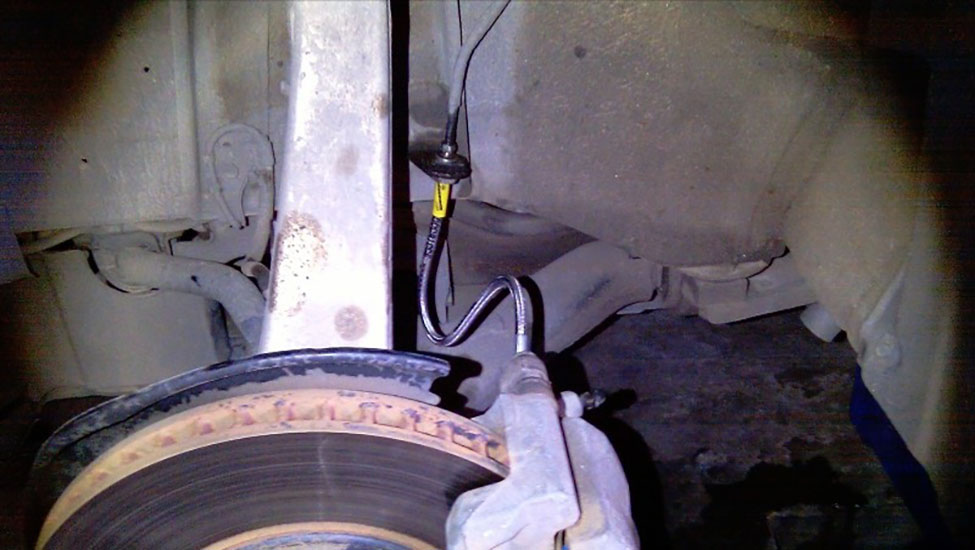
Brake lines are one of the most important safety components in modern hydraulic braking systems. Although brake hoses are usually hidden behind wheels and suspension components, their condition directly affects braking performance and driving safety.
Many drivers only notice brake hose problems after experiencing symptoms such as a soft brake pedal, reduced braking force, or abnormal brake response.
Learning how to inspect brake lines and identify early warning signs can help prevent unexpected brake system failures.
This article explains the common brake hose problems, inspection methods, maintenance tips, and why many modified vehicle owners choose high-performance brake lines.
Why Brake Line Inspection Is Important
The hydraulic brake system relies on brake fluid pressure to transfer force from the brake master cylinder to the brake caliper.
The brake hose must continuously handle:
- High hydraulic pressure
- Temperature changes
- Vehicle vibration
- Brake fluid exposure
- Environmental conditions
Over time, brake hoses may experience aging, expansion, cracking, or internal damage.
Regular inspection helps identify potential problems before they affect braking performance.
Common Symptoms of Brake Line Problems
1. Soft Brake Pedal or Long Brake Lever Travel
One of the most common signs of brake hose problems is a soft brake pedal or motorcycle brake lever feeling.
Possible causes include:
- Air inside the brake system
- Brake fluid problems
- Brake hose expansion
- Damaged internal hose structure
When rubber brake hoses age, they may expand more under hydraulic pressure, reducing braking response.
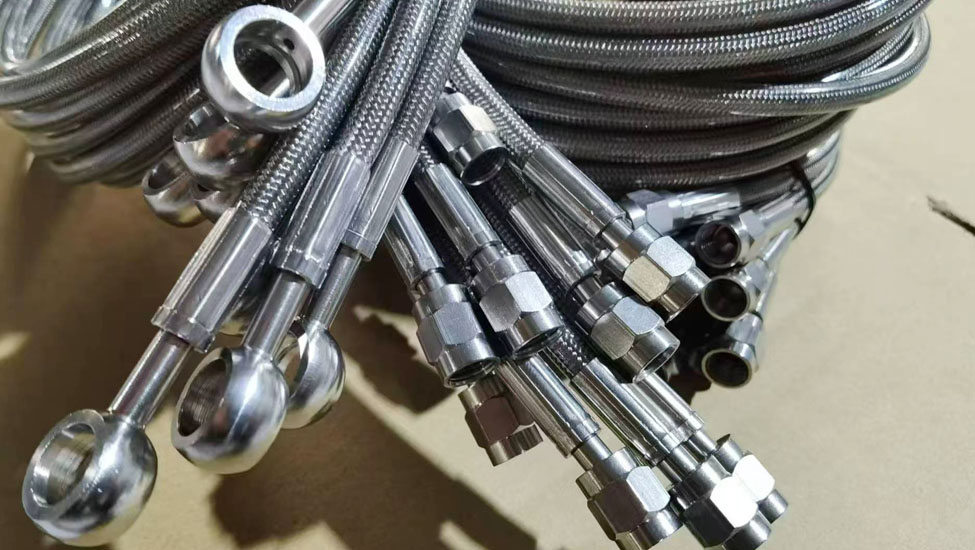
Many performance users upgrade to stainless steel braided brake lines to achieve more stable pressure transmission.
2. Brake Fluid Leakage
Brake fluid leakage is a serious warning sign.
Check the following areas:
- Brake hose connection points
- Fittings and joints
- Visible cracks on the hose surface
- Brake caliper connection area
A leaking brake hose should be replaced immediately because loss of hydraulic pressure can affect braking ability.
3. Uneven Braking Performance
If the vehicle pulls to one side during braking, possible causes include:
- Uneven brake pressure
- Brake caliper problems
- Damaged brake hose
- Restricted brake fluid flow
A professional inspection can determine whether the brake hose needs replacement.
4. Brake Drag After Driving
Some users experience brake drag after driving for a period of time.
Possible reasons include:
- Internal brake hose blockage
- Aging rubber hose material
- Brake caliper return problems
- Incorrect installation
A damaged brake hose may affect brake fluid return flow and cause abnormal brake operation.
How to Inspect Brake Lines Step by Step
Step 1: Check Exterior Condition
Inspect the visible brake hose surface carefully.
Look for:
- Cracks
- Swelling
- Abrasion marks
- Corrosion around fittings
Step 2: Check Brake Hose Connections
The connection area is one of the most important inspection points.
Check:
- Loose fittings
- Brake fluid leakage
- Incorrect hose routing
Step 3: Check Brake Feeling During Driving
Drivers should pay attention to changes in brake response.
Warning signs include:
- Soft pedal feeling
- Longer braking distance
- Delayed brake response
- Unstable brake performance
Common Causes of Brake Hose Failure
Material Aging
Traditional rubber brake hoses may gradually lose flexibility after years of exposure to heat, moisture, and brake fluid.
Aging hoses may develop:
- Surface cracks
- Internal deterioration
- Reduced pressure resistance
High Temperature Conditions
Brake systems generate significant heat during operation.
High temperature environments can accelerate hose aging, especially in:
- Performance driving
- Mountain roads
- Heavy traffic conditions
- Modified vehicles
Incorrect Installation
Improper installation can shorten brake hose service life.
Avoid:
- Twisting the hose
- Sharp bending
- Contact with moving parts
- Contact with exhaust heat
Upgrade Solutions for Better Brake Performance
For modified vehicles and performance applications, many customers choose upgraded brake hose solutions.
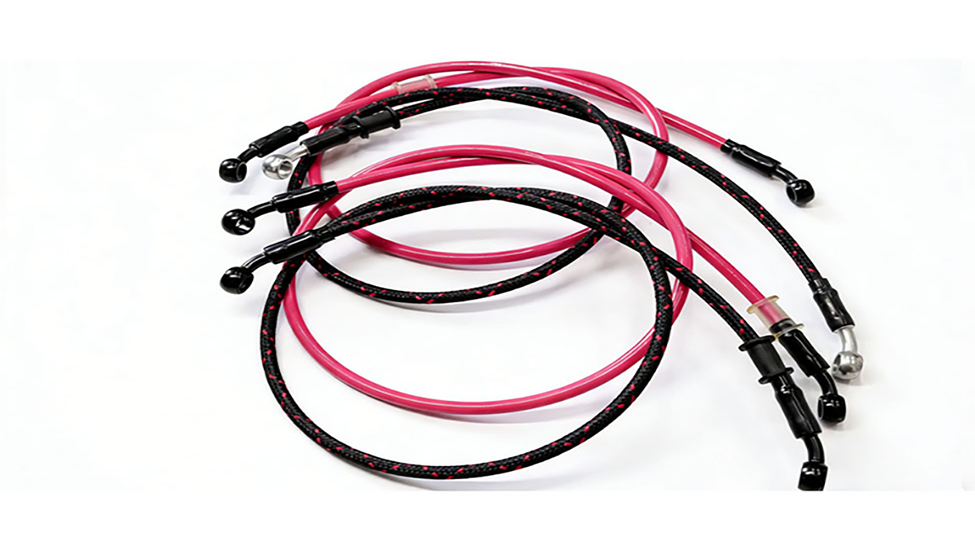
Compared with standard rubber hoses, high-performance brake lines provide improved pressure stability and durability.
Teflon Brake Line
The Teflon Brake Lineuses PTFE-based materials that provide excellent chemical resistance and temperature stability.
Nylon Brake Line
The Nylon Brake Lineis widely used for applications requiring lightweight design and reliable performance.
PTFE Brake Line Assembly
The PTFE Brake Line Assemblyprovides complete hose solutions with professional fittings and assembly control.
Important Buying Tips When Replacing Brake Lines
Confirm Vehicle Specifications
Before purchasing brake hoses, confirm:
- Vehicle model
- Brake system type
- Hose length
- Connector specifications
Choose a Reliable Manufacturer
Professional brake hose suppliers should provide:
- Stable raw materials
- Strict quality control
- Pressure testing
- OEM customization
Daily Brake Hose Maintenance Tips
- Inspect brake hoses regularly
- Replace damaged hoses immediately
- Keep fittings clean
- Avoid improper bending
- Check brake fluid condition
Our Main Brake Hose Products
We manufacture brake hose solutions for motorcycles, cars, and modified vehicles worldwide.
- Teflon Brake Line
- Nylon Brake Line
- PTFE Brake Line Assembly
- Nylon Brake Line Assembly
- Rubber Brake Line Assembly
- Stainless Steel Braided Hose
- Braided Brake Lines
FAQ About Brake Line Problems
How often should brake hoses be replaced?
Replacement depends on material condition, usage environment, vehicle type, and maintenance history. Regular inspection is recommended.
Do upgraded brake hoses really improve safety?
High-quality brake hoses help maintain stable hydraulic pressure and improve braking consistency when properly installed.
Are upgraded brake lines suitable for all vehicles?
Most motorcycles and vehicles can use upgraded brake lines when the correct specifications and fittings are selected.
Can you customize brake hoses according to drawings?
Yes. We support customized brake hose production based on drawings, samples, vehicle models, and customer requirements.
Need Professional Brake Line Solutions?
If you have drawings, samples, or special brake hose requirements, our engineering team can help develop suitable solutions for your market.
Contact Usfor OEM projects, customized brake lines, and wholesale cooperation.