From Street to Track: Solving Brake Line Flow Restrictions with Modern Materials
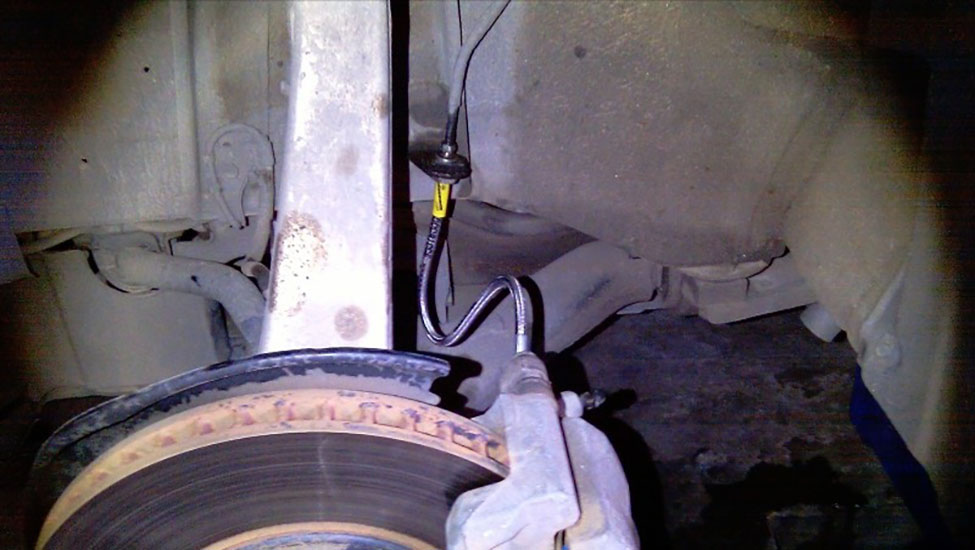
In markets such as Thailand, UAE, Japan, and Nigeria, many tuners still rely on rubber brake hoses. While cost-effective initially, these assemblies often become the weakest link once brake temperatures rise.
How Brake Hose Material Affects Flow
Rubber hoses expand under pressure, reducing effective hydraulic diameter. Over time, micro-cracks and internal peeling cause partial blockages—leading to what many drivers describe as “dead pedal.”
Material Comparison: Rubber vs Nylon vs PTFE
Rubber Brake Hose Assembl
Affordable but prone to heat aging and internal debris buildup.
View Product
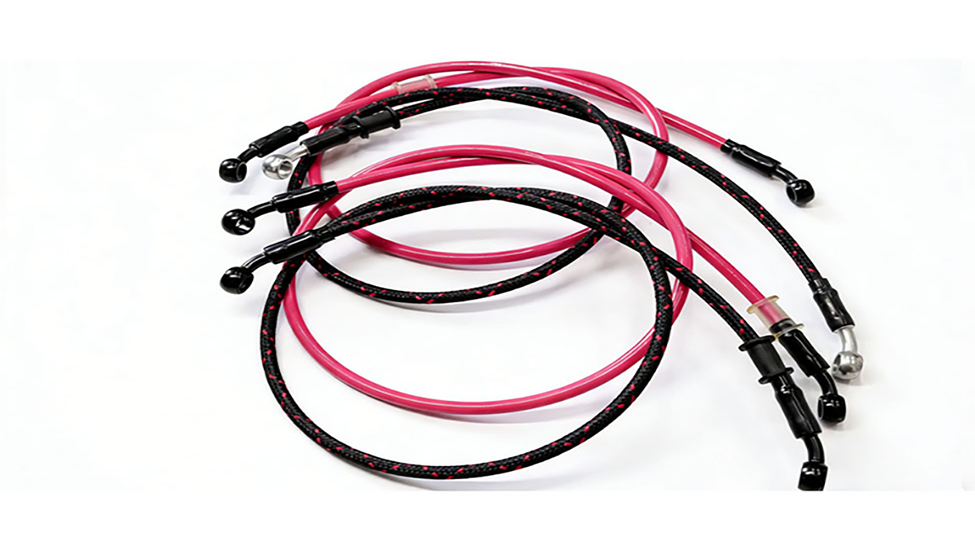
Nylon Brake Hose
Lighter weight, excellent corrosion resistance, ideal for motorcycles and compact cars.
View Product
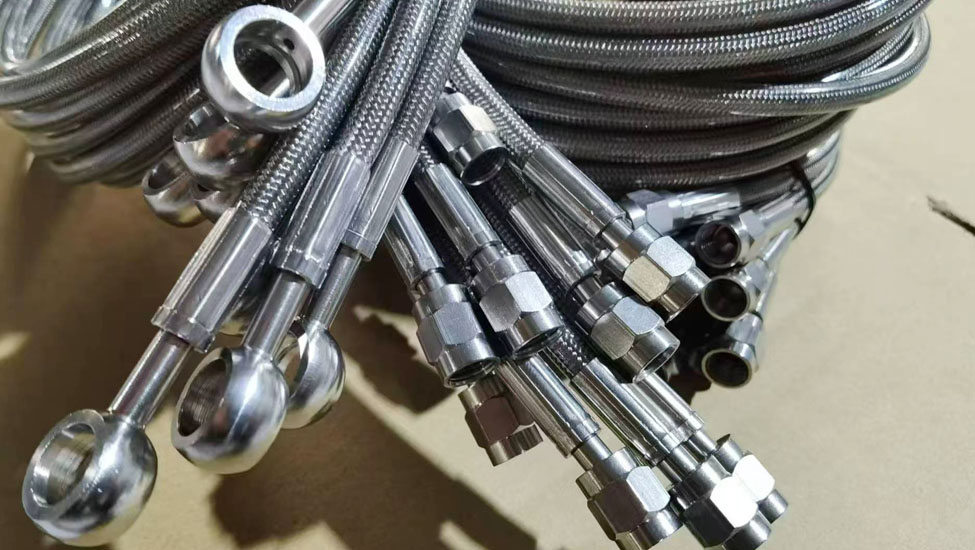
PTFE / Teflon Brake Hose
Zero volumetric expansion, chemically inert, and capable of handling aggressive brake fluids.
View Product
View Assembly Options
Buying Guide – What to Check Before Ordering
- Fitting type (AN, banjo, metric, JIS)
- Hose inner diameter (3mm / 3.5mm / 4mm common)
- Braid material (304 stainless vs nylon overlay)
- Operating temperature range
Daily Maintenance Advice
Flush brake fluid annually in tropical regions. Inspect fittings for seepage and check hose movement during full steering lock.
Industry Trend Note
Motorcycle performance segments are rapidly shifting toward Nylon Brake Hose Assembly solutions due to weight savings and corrosion resistance.
FAQ – Procurement Perspective
Q: Can I order mixed batches?
A: Yes. We support small-batch customization for distributors across Asia, Africa, and the Middle East.
Q: Do you provide technical drawings?
A: Absolutely. Share your requirements via our Contact Page.