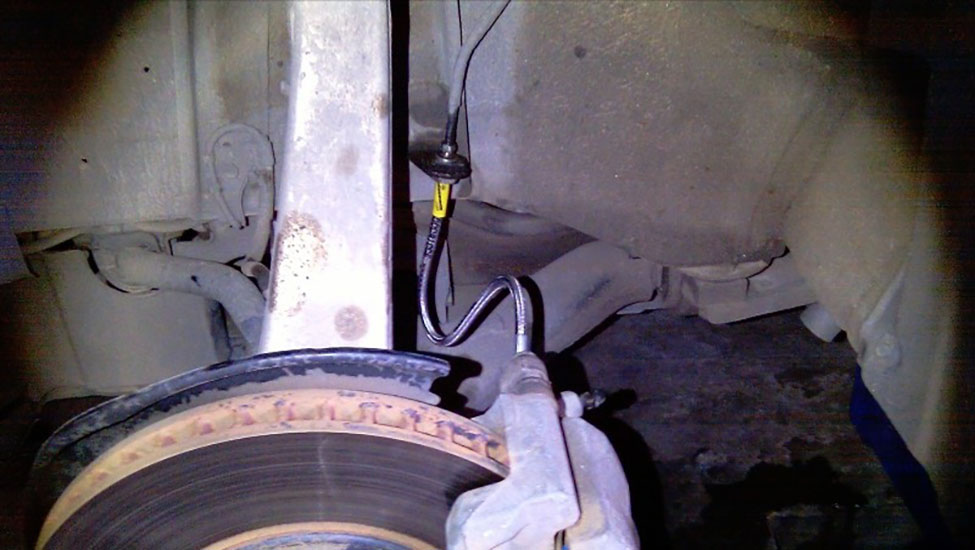
Brake drag refers to the unwanted resistance that occurs when the brake components continue to engage after the driver has released the brake pedal. This can lead to increased wear on your braking system and reduced fuel efficiency. Here, we explain the most common causes of brake drag after driving and how to prevent it.
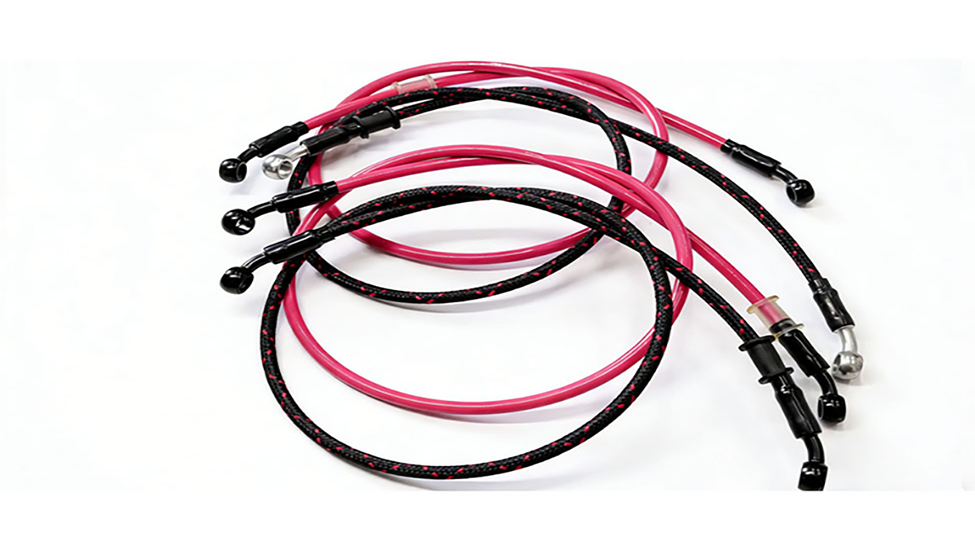
Worn or damaged brake components such as Teflon Brake Line or Nylon Brake Line can cause the brake pads or shoes to remain in contact with the brake rotor or drum, resulting in brake drag.
Regular inspection and timely replacement of brake components like PTFE Brake Line Assembly can prevent brake drag. Upgrading to high-quality materials helps improve braking efficiency and performance.
Brake calipers can become stuck or fail to release properly, causing the brake pads to stay pressed against the rotor. This issue is common with Nylon Brake Line Assembly and Rubber Brake Line Assembly systems if the caliper slides become corroded.
Ensure your brake calipers are properly lubricated and free from corrosion. If necessary, replace the calipers to prevent them from sticking and causing brake drag.
Improper alignment of brake components, especially in PTFE Brake Line Assembly systems, can cause uneven brake pad wear, leading to brake drag.
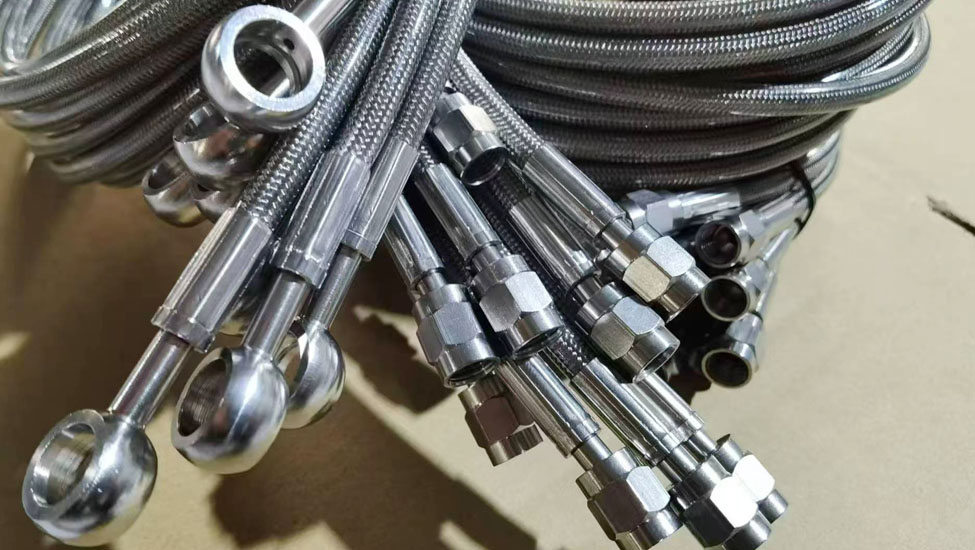
Have your brake system checked for proper alignment during routine maintenance. Misalignment can be prevented with careful installation of high-performance products like Stainlesssteelbraided Hose for better durability and performance.
Ensure your braking system remains in optimal condition with regular inspections. Timely maintenance of your Braided Brake lines and other components will help avoid drag issues and keep your vehicle safe.
If you experience brake drag or need custom brake line solutions, contact us for expert advice and assistance.
Consider upgrading to Teflon Brake Line or Rubber Brake Line Assembly for improved braking efficiency and reduced brake drag.