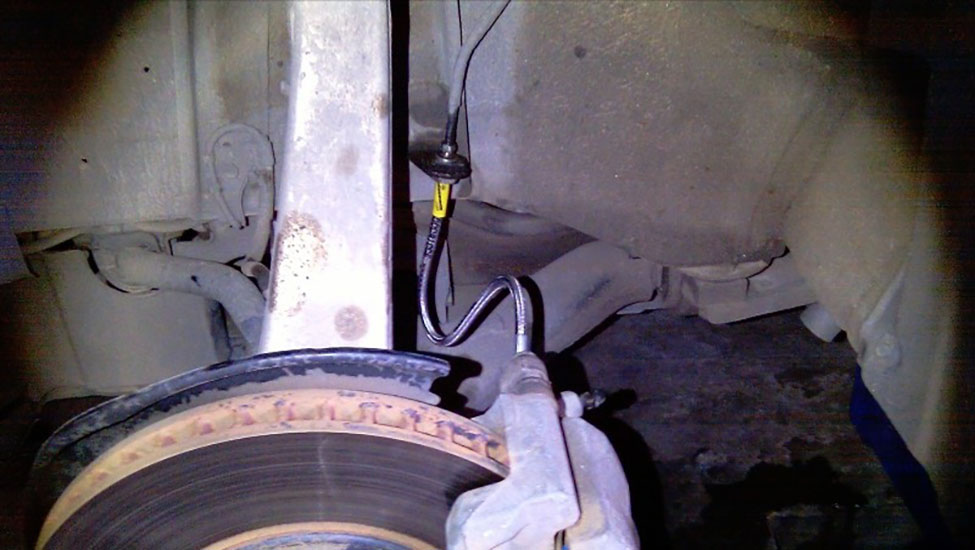
The brake line is a critical component in every hydraulic braking system. Although it looks like a simple hose, it plays an important role in transferring hydraulic pressure from the brake master cylinder to the brake caliper.
When brake lines become aged, damaged, or unsuitable for high-performance applications, drivers may experience reduced braking response, soft brake pedals, or inconsistent braking performance.
Understanding common brake line problems helps vehicle owners, motorcycle riders, repair shops, and distributors choose the right replacement and upgrade solution.
Brake hoses operate under continuous pressure, vibration, temperature changes, and exposure to brake fluid and environmental conditions.
Even high-quality brake hoses require regular inspection because operating conditions directly affect service life.
One of the most common signs of brake line problems is a soft brake pedal or motorcycle brake lever.
When a brake hose expands excessively under hydraulic pressure, part of the pressure is absorbed by hose expansion instead of being transferred directly to the brake caliper.
Upgrading to a high performance brake line can reduce unnecessary expansion and provide a firmer braking response.
A healthy brake system should respond quickly when the brake pedal or lever is applied.
If the response becomes slower, the brake hose may no longer transfer hydraulic pressure efficiently.
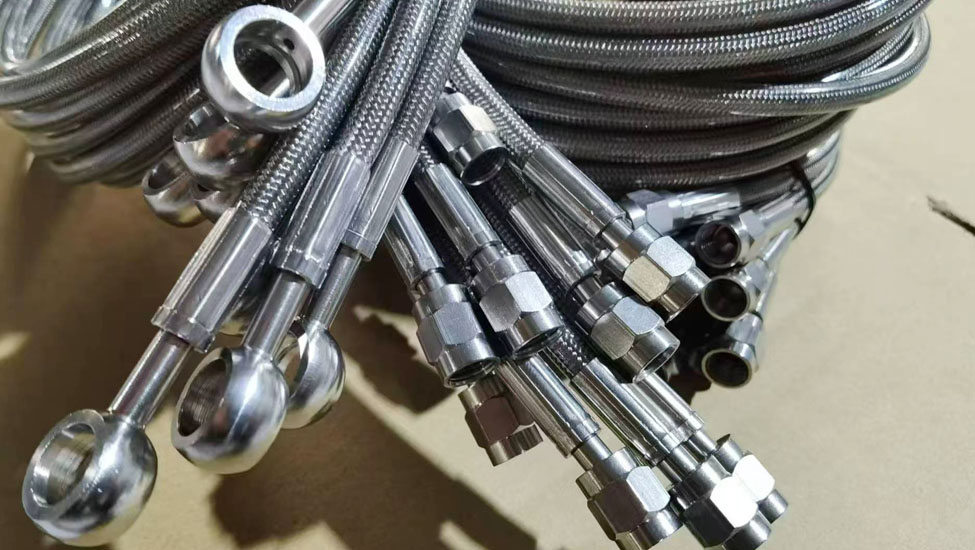
Performance brake lines are designed with stronger reinforcement structures to maintain better pressure stability.
Brake hoses are exposed to sunlight, heat, moisture, and road conditions.
Over time, rubber materials may develop cracks or hardening.
Many vehicles gradually lose braking consistency as original brake hoses age.
Drivers may notice different brake feeling compared with when the vehicle was new.
Replacing old hoses with upgraded brake lines can restore more stable hydraulic performance.
High performance brake lines use advanced materials and reinforcement structures to reduce expansion during braking.
This allows more hydraulic pressure to reach the brake caliper directly.
For vehicles operating in hot climates such as Southeast Asia and the Middle East, temperature resistance is an important factor.
Teflon Brake Lineprovides excellent temperature resistance and chemical stability for demanding applications.
High-quality brake lines are designed to handle vibration, pressure cycles, and harsh operating environments.
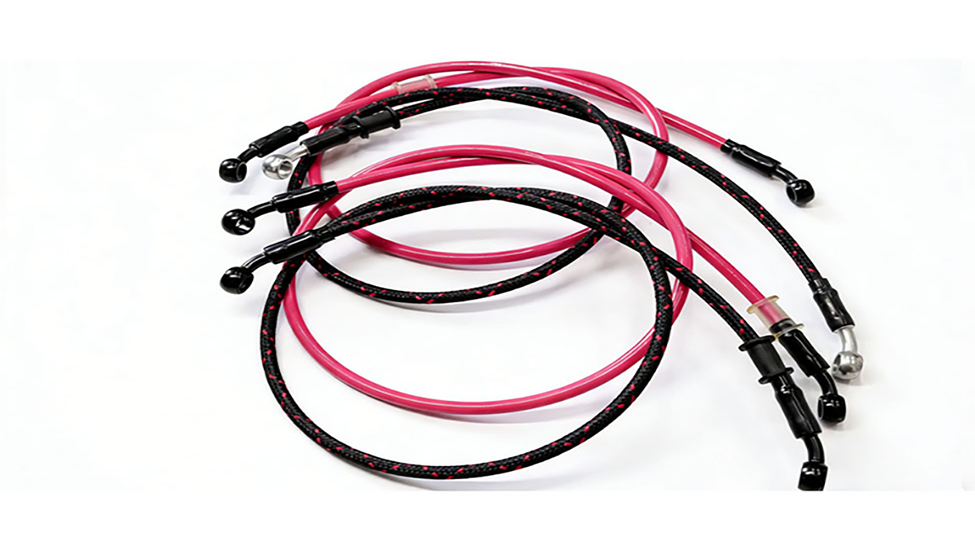
PTFE Brake Line Assemblyis widely used for performance applications requiring stable hydraulic performance.
It is suitable for:
Nylon Brake Lineoffers flexibility, lightweight design, and reliable performance for various applications.
Rubber Brake Line Assemblyremains a popular choice for standard replacement applications.
When upgrading brake calipers, brake discs, or suspension systems, many customers also upgrade brake lines to achieve balanced braking performance.
Before ordering brake lines, buyers should provide:
A reliable manufacturer should provide:
We manufacture high performance brake lines, PTFE brake assemblies, nylon brake hoses, and rubber brake line assemblies for global automotive and motorcycle markets.
Our factory supports customized production according to drawings, samples, vehicle models, and customer requirements.
If you have drawings, samples, pictures, or special brake hose requirements, our engineering team can provide professional suggestions.
Contact our engineering team for customized brake line solutions.
Common signs include soft brake pedal feeling, cracks, leakage, swelling, or reduced braking response.
Yes. High performance brake lines can improve pressure stability and provide more consistent braking feedback.
Service life depends on material quality, environment, usage conditions, and maintenance.
Yes. Professional manufacturers can customize brake lines according to different vehicle models and brake system requirements.