A reliable braking system is essential for motorcycle and vehicle safety. However, many riders experience problems such as soft brake pedals, weak braking response or inconsistent brake feeling after long-term use.
Most brake performance problems are related to maintenance, brake fluid condition, brake hose aging and hydraulic system issues.
This brake system maintenance guide explains how to prevent soft brake pedal problems, when to inspect brake hoses and how upgrading brake lines can improve braking reliability.
The brake system works through a combination of hydraulic pressure, brake fluid and mechanical components. If any part becomes worn or damaged, braking performance can be affected.
Regular maintenance helps:
A soft brake pedal is one of the most common warning signs.
Possible causes include:
If your motorcycle or vehicle requires more distance to stop, the braking system should be inspected.
A brake system that feels different during every operation may indicate unstable hydraulic performance.
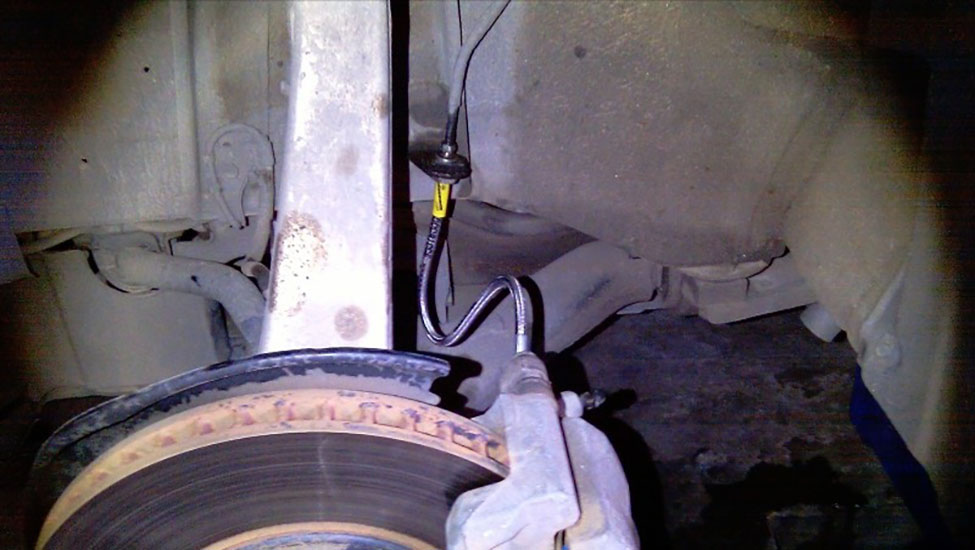
Brake hoses should be checked for visible damage, especially on motorcycles exposed to rain, dust and vibration.
Look for:
Rubber brake hoses may gradually lose performance after years of use because rubber materials are affected by temperature, moisture and environmental conditions.
For vehicles used in hot climates such as Southeast Asia, Middle East and Africa, regular inspection is especially important.
Brake hose replacement should be considered when:
The brake hose transfers hydraulic pressure from the master cylinder to the brake caliper.
High-quality brake lines are designed to improve pressure stability and reduce unnecessary expansion.
A stronger brake line structure allows more direct pressure transmission, helping riders and drivers achieve a more consistent brake feeling.
Performance vehicles and modified motorcycles often require brake components that can handle higher demands.
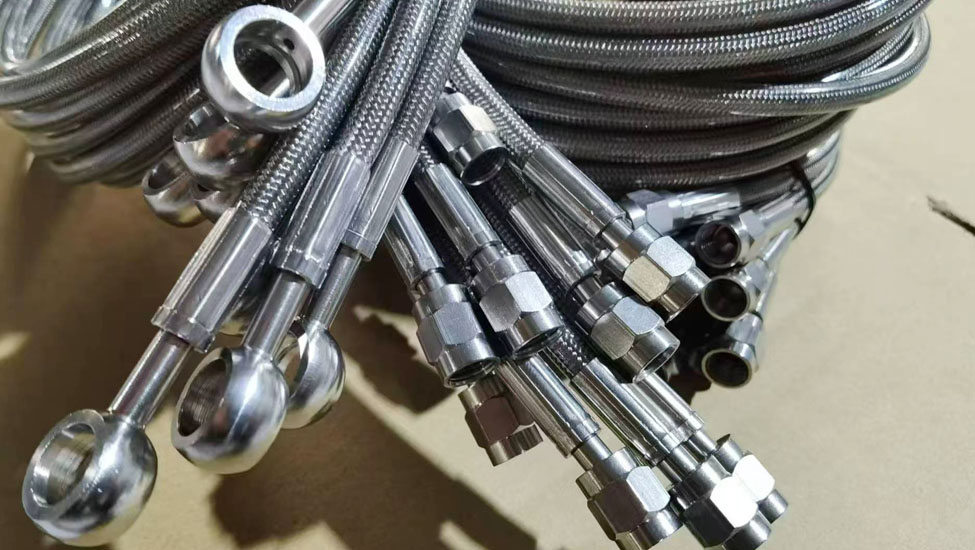
Teflon Brake Lineis widely used in performance brake systems because of its excellent temperature resistance and chemical stability.
It is suitable for applications requiring reliable hydraulic pressure transmission.
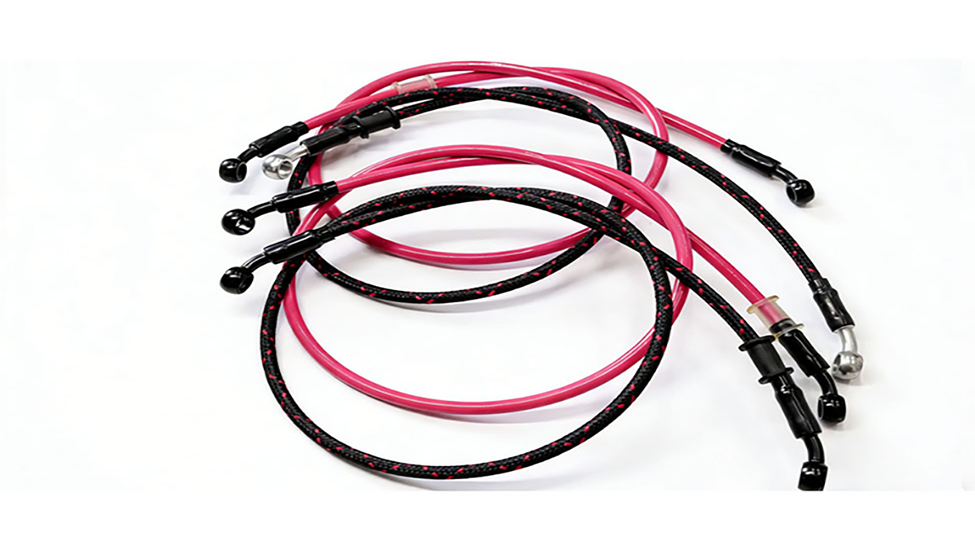
Nylon Brake Lineprovides flexibility and durability for different brake system applications.
PTFE Brake Line Assemblyis manufactured with precise fittings and reliable assembly quality for modified vehicles.
Nylon Brake Line Assemblycan be customized according to different vehicle structures and installation requirements.
Rubber Brake Line Assemblyis commonly used for replacement applications requiring flexibility and cost efficiency.
Brake fluid absorbs moisture over time, which may reduce boiling point performance and affect braking stability.
Always follow the brake system manufacturer's recommended fluid specification.
Air inside brake lines can create a soft brake feeling. Proper bleeding helps restore hydraulic pressure.
Before purchasing brake lines, confirm:
Professional brake hose manufacturers focus on:
Different environments require different brake solutions.
For modified motorcycles and performance vehicles, professional inspection is recommended to ensure brake system reliability.
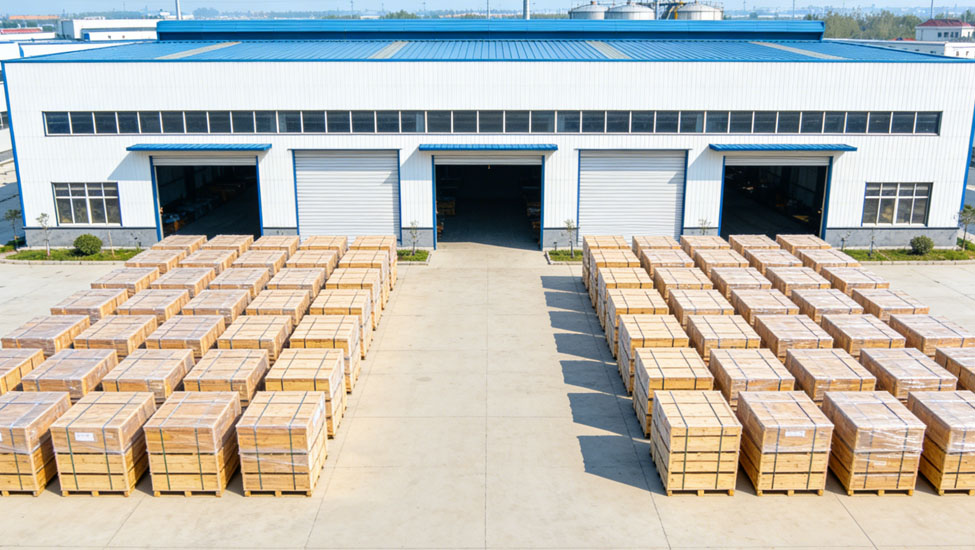
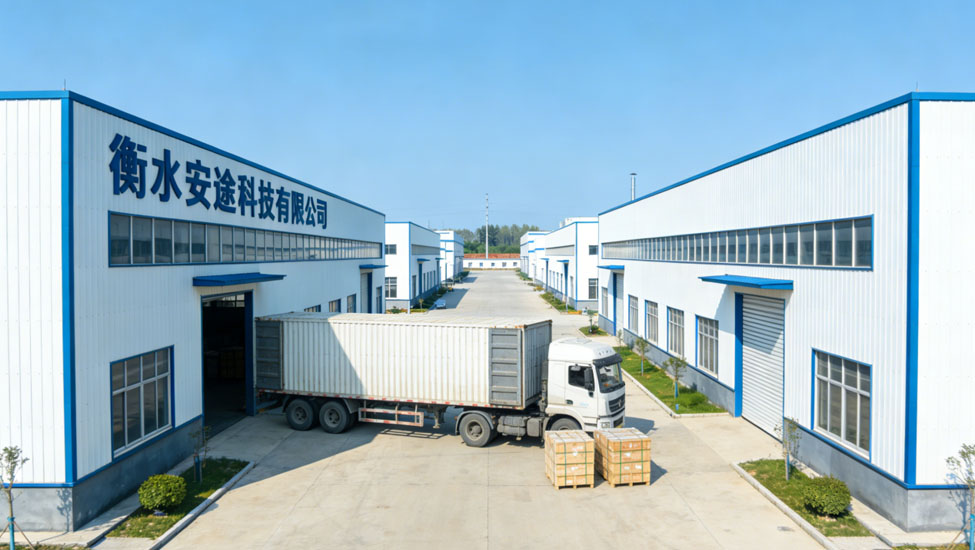
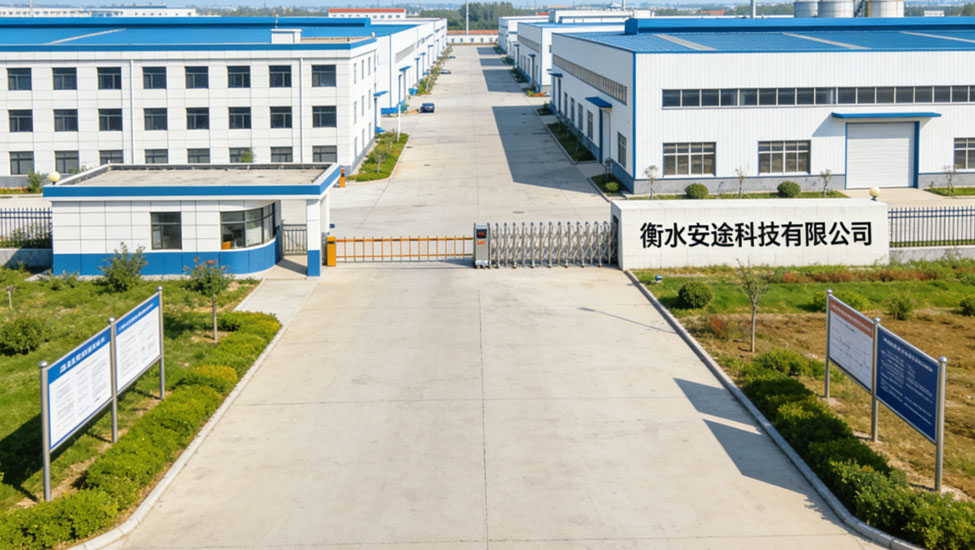
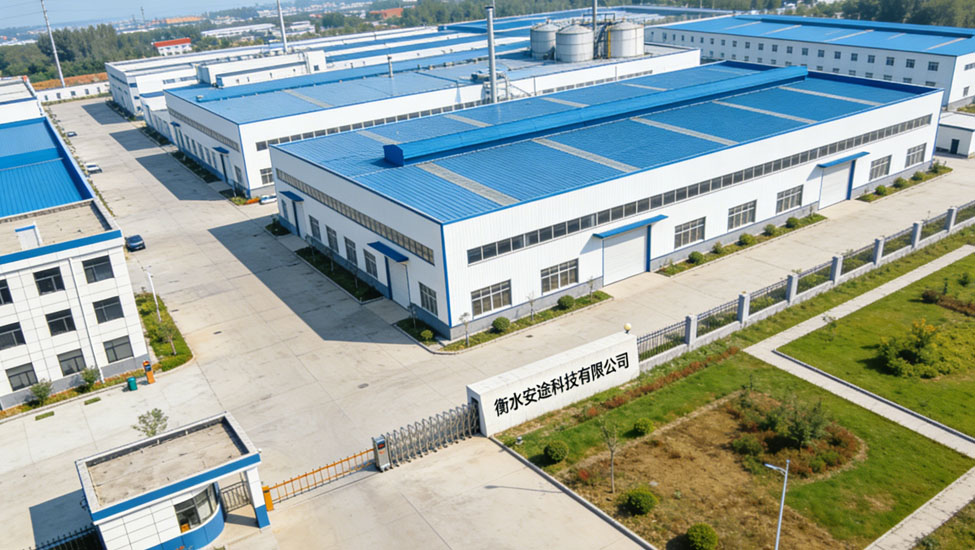
We specialize in manufacturing customized brake hose solutions for motorcycles, cars and modified vehicles.
If you have drawings, samples or special requirements, our engineering team can provide customized brake line solutions according to your application.
We support OEM manufacturing, bulk orders and worldwide distributor cooperation.
Replacement depends on material quality, operating environment and maintenance conditions. Regular inspection is recommended.
High-quality brake lines can improve hydraulic pressure stability and provide more consistent braking performance when correctly selected and installed.
Brake lines should match the vehicle model and brake system specifications. Professional manufacturers can provide customized solutions.
Brake performance depends on regular inspection, correct maintenance and suitable components. Preventing soft brake pedal problems starts with understanding how each brake system component works.
Choosing reliable brake lines and maintaining them correctly helps improve braking consistency, safety and long-term performance.