News

  • You Here!-
  • Home
  • -News
Brake Not Releasing in High Temperature Conditions: Causes  Solutions

Brake Not Releasing in High Temperature Conditions: Causes Solutions

2026-3-20 Comments

Brake Not Releasing in High Temperature Conditions: Causes and Solutions

Why Brake Drag Is More Common in Hot Regions

In markets such as Southeast Asia and the Middle East, high temperatures increase hydraulic pressure and accelerate material degradation.

Key Causes

1. Thermal Expansion of Brake Fluid

Heat increases internal pressure, requiring efficient return flow.

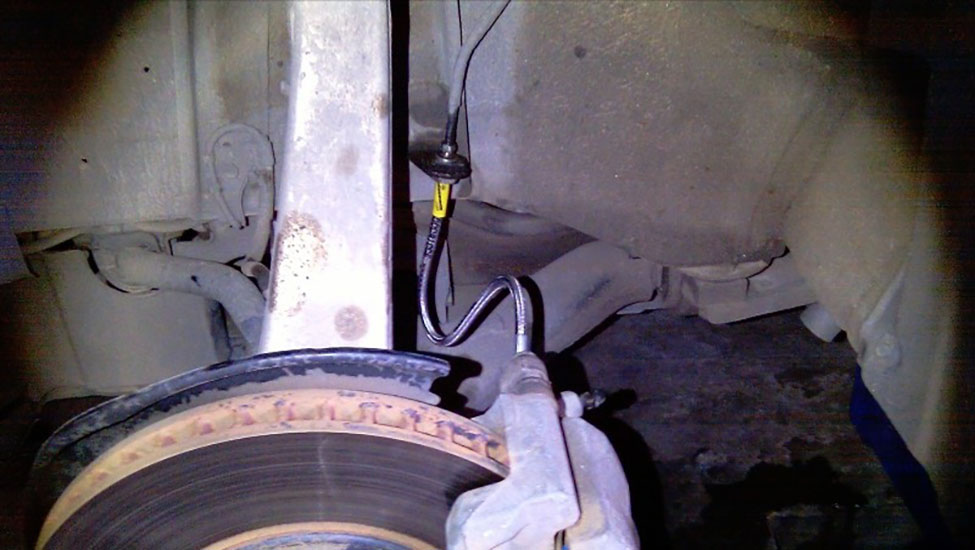
2. Hose Aging and Hardening

Aged hoses lose flexibility and restrict fluid movement.

3. Poor Hose Material Quality

Low-quality hoses cannot maintain performance under high heat.

Recommended Brake Line Options

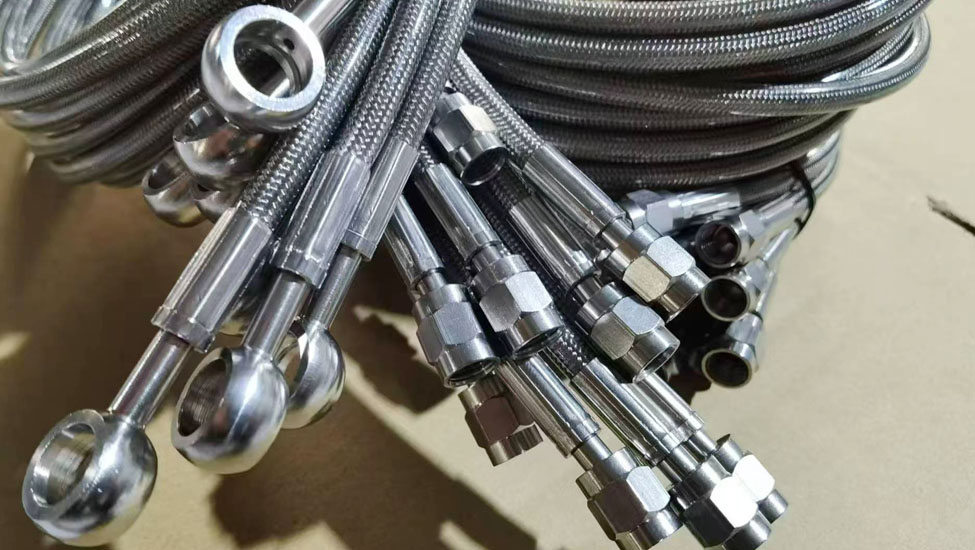
PTFE Brake Line Assembly

Provides stable performance under high temperature and pressure.

PTFE Brake Line Assembly |Teflon Brake Line

Custom solutions available. Contact us.

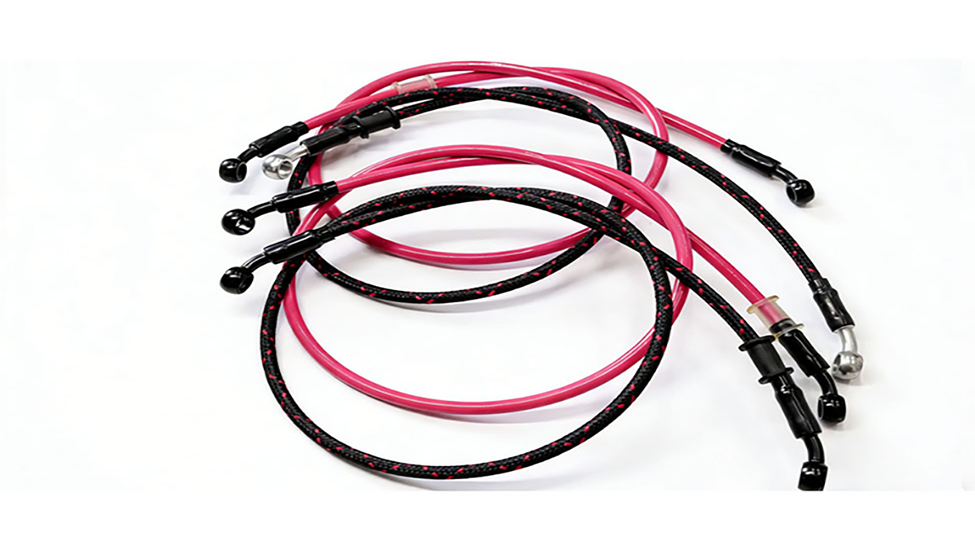
Nylon Brake Line Systems

Lightweight and resistant to environmental stress.

Nylon Brake Line |Nylon Brake Line Assembly

Bulk supply supported. Send inquiry.

Rubber Brake Line Assembly

Entry-level solution, but more sensitive to heat aging.

Rubber Brake Line Assembly

Looking for upgrades? Get in touch.

Buyer Considerations

  • Select hoses with high heat resistance
  • Check durability under continuous braking
  • Evaluate supplier production capability

Maintenance Tips

  • Avoid continuous heavy braking
  • Flush brake fluid regularly
  • Inspect hoses in high-heat zones

FAQ

How often should brake hoses be replaced?

Every 3–5 years, sooner in high-temperature environments.

Do upgraded brake hoses improve safety?

Yes, especially in harsh operating conditions.

Are they suitable for all vehicles?

Yes, when matched correctly.

Our Product Range

We supply PTFE, Nylon, and Rubber brake line assemblies for automotive and motorcycle applications.