Brake Line Leakage Symptoms: Early Signs, Common Causes, and What to Check First
Why brake line leakage should be checked immediately
Brake line leakage is one of the most direct causes of pressure loss in a hydraulic brake system. When fluid escapes from the line, the pedal may feel softer than normal, the stopping distance may increase, and the braking response can become unstable. In daily service work, this problem should never be treated as a minor seepage issue.
Common symptoms of brake line leakage
1. Brake pedal feels soft or sinks too far
A soft pedal is often the first sign that hydraulic pressure is not being maintained properly. If the pedal travel becomes longer than normal, the line, fitting, or assembly should be inspected for leakage and pressure loss.
2. Brake fluid level drops repeatedly
If the reservoir keeps losing fluid and no external repair has been made, the system may have a slow leak. A small leak at the hose end, crimp area, or connector can still affect overall braking performance.
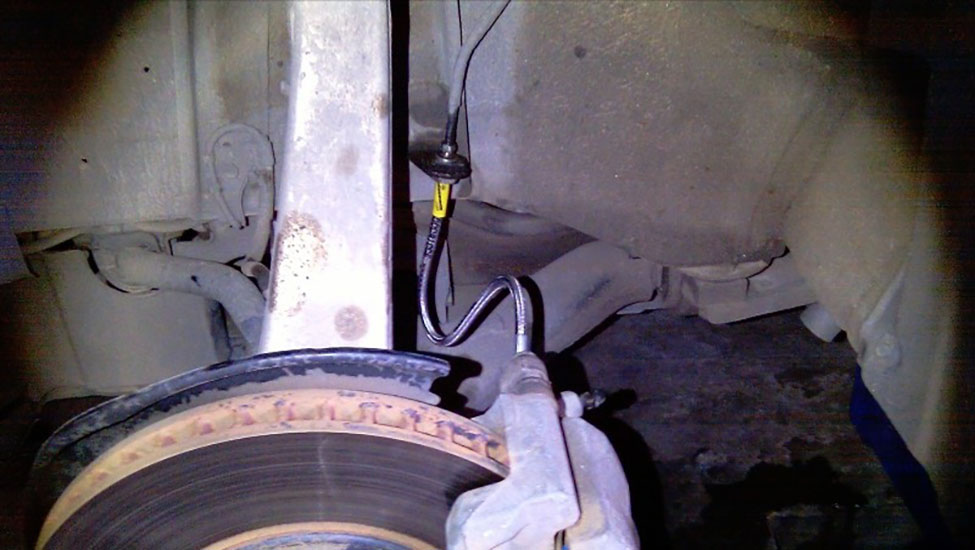
3. Wet marks or fluid stains near the hose
Any dampness around the line, fitting, or mounting point should be treated as a warning sign. Brake fluid residue often appears before a visible drip develops.
4. Brake warning light or uneven braking feel
In some vehicles, the warning light may come on when the system pressure drops. The driver may also notice pulling, delayed response, or inconsistent braking from one wheel to another.
Why leakage happens in real use
Leakage is usually caused by aging hose material, cracked fittings, loose connections, corrosion, or poor installation. A hose can look acceptable on the outside while the seal area has already weakened.
Product options for different applications
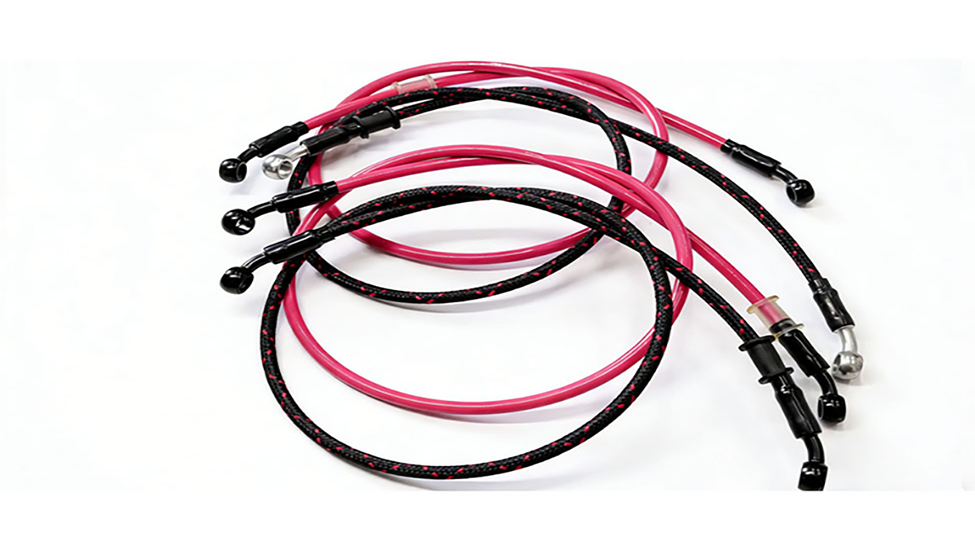
For buyers comparing replacement and upgrade solutions, Teflon Brake Line, Nylon Brake Line, and PTFE Brake Line Assembly are often searched by workshops and importers who want better pressure stability and cleaner brake response.
For complete replacement projects, Nylon Brake Line Assembly and Rubber Brake Line Assembly are also common product choices depending on vehicle type and budget.
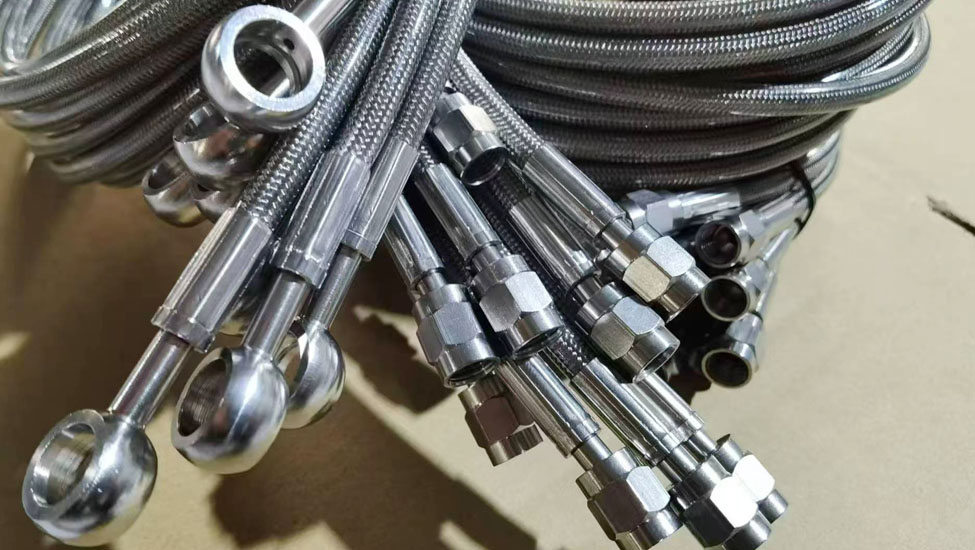
Many buyers also compare braided brake lines and Stainlesssteelbraided Hose when they want a firmer pedal feel and a more performance-oriented setup.
Main product range
Our product range includes Teflon Brake Line, Nylon Brake Line, PTFE Brake Line Assembly, Nylon Brake Line Assembly, Rubber Brake Line Assembly, braided brake lines, and Stainlesssteelbraided Hose. These products cover standard replacement, upgrade applications, and custom export orders.
What overseas buyers usually care about
Buyers in Southeast Asia, the Middle East, Japan, and Korea usually focus on pressure stability, leak resistance, fitting accuracy, temperature resistance, and repeatable quality. For bulk orders, they also want clear drawings, samples, and stable production consistency.
Need a custom specification or drawing match?
If you have a drawing, a sample, or a special requirement, please contact us here: Contact us. We support OEM and aftermarket brake line solutions.
FAQ
How often should brake hoses be replaced?
There is no fixed mileage for every vehicle. Hoses should be inspected regularly and replaced once leakage, cracking, swelling, or pedal softness appears.
Does an upgraded brake hose really improve safety?
A properly selected upgraded hose can improve pressure transfer and reduce expansion under braking. That usually gives the driver a more predictable brake feel.
Is the same hose suitable for all vehicles?
No. The hose must match the vehicle model, connector type, line length, routing space, and pressure requirement.