Brake Line Blockage Symptoms: How to Spot the Problem Before It Affects Safety
Brake line blockage is not always obvious at the beginning. In many workshop cases, the vehicle still stops, but the pedal feel changes, one wheel runs hotter, or brake release becomes slower after driving. For buyers in Southeast Asia, the Middle East, Japan, and Korea, this topic matters because traffic density, heat, humidity, and long service intervals can make hydraulic problems appear earlier than expected.
What brake line blockage feels like in real driving
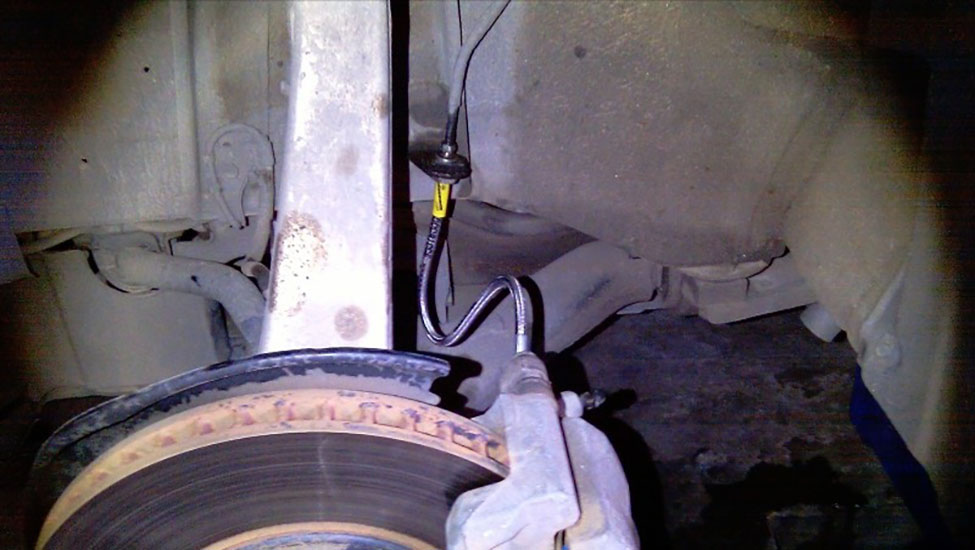
When the brake line cannot move fluid smoothly, pressure may build up normally when the pedal is pressed but return more slowly when the pedal is released. That can leave residual pressure inside the circuit. The result is brake drag, uneven pad wear, and a wheel that feels hotter than normal after a short drive.
Common symptoms technicians notice first
- One wheel is warmer than the others after driving
- The pedal feels normal, but the car still drags
- Brake odor appears after ordinary city traffic
- The brake response changes after repeated stops
- Uneven rotor discoloration or pad wear is visible
Why blockage happens
1. Contaminated brake fluid
Old or dirty fluid can carry moisture and debris through the system. Over time, this reduces flow quality and can affect the hose and fittings.
2. Internal hose restriction
A hose may look normal on the outside while the internal passage has narrowed. This is a common reason pressure does not return quickly.
3. Corrosion or sediment in the hydraulic path
Rust and sediment can build up inside the system if maintenance is delayed. That can make fluid movement unstable and increase braking irregularity.
Product links that match this topic
Buyers who search for blockage symptoms often compare different line materials and assembly types. These internal links help connect the diagnostic content with the product catalog naturally:
Teflon Brake Line, Nylon Brake Line, PTFE Brake Line Assembly, Nylon Brake Line Assembly, Rubber Brake Line Assembly
How these products are usually positioned
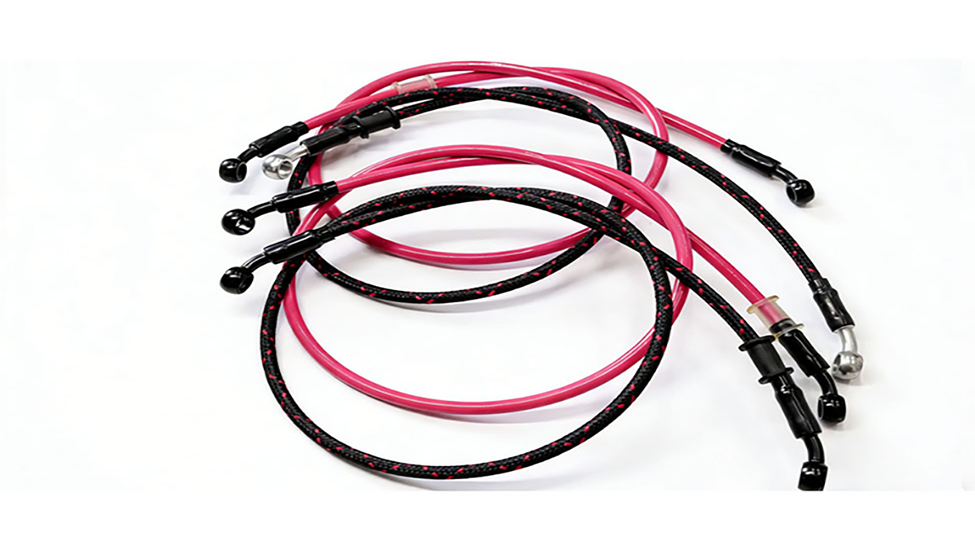
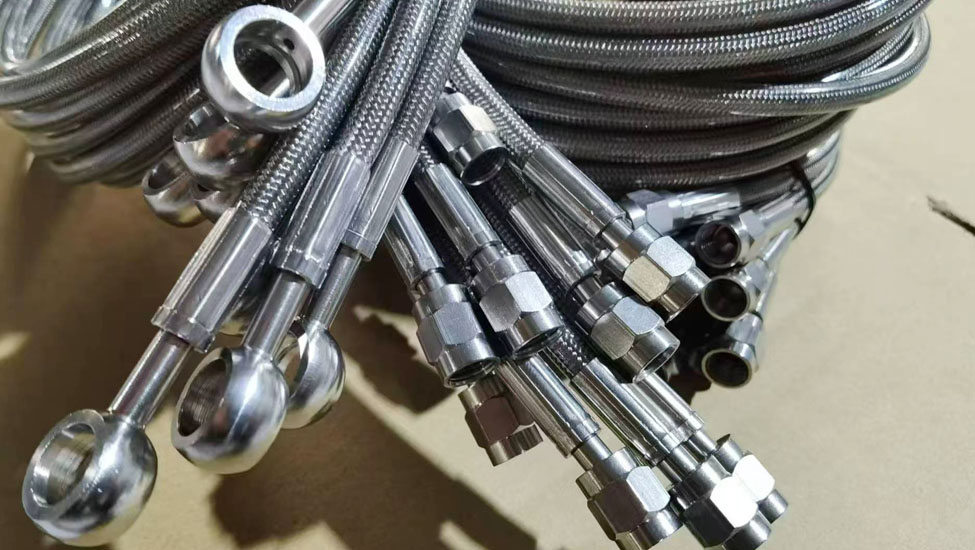
Teflon Brake Line and PTFE Brake Line Assembly are often used for buyers who want better heat resistance and more stable pressure transfer. Nylon Brake Line and Nylon Brake Line Assembly are useful for material-based search intent and custom product pages. Rubber Brake Line Assembly remains important for replacement markets that prefer original-style flexibility. In supporting text, Stainlesssteelbraided Hose, Braided Brake Lines, and nylon brake hose can also be used as related search terms.
Selection notes for overseas buyers
- Confirm exact vehicle fitment before ordering
- Check hose length, fitting type, and routing position
- Decide whether the customer needs a replacement or an upgrade
- Review temperature and pressure requirements for the target market
- Use clear product wording that matches how buyers search online
Daily maintenance advice
- Replace brake fluid on time
- Inspect hoses during routine service, not only after failure
- Check caliper pins, pads, and pistons together with the hose
- Replace any line showing cracks, swelling, stiffness, or abrasion
- Watch for one wheel that feels hotter after driving
Main products we focus on
Our main product range includes Teflon Brake Line, Nylon Brake Line, PTFE Brake Line Assembly, Nylon Brake Line Assembly, Rubber Brake Line Assembly, Stainlesssteelbraided Hose, Braided Brake Lines, and nylon brake hose. These product groups cover replacement demand, visual customization, and upgraded brake performance for export markets.
Need a custom specification?
If you have drawings, samples, or a special size requirement, send them to us and we can help confirm the correct structure before production.
FAQ
How often should a brake hose be replaced?
There is no fixed universal interval. Replacement depends on age, climate, mileage, and visible wear. In hot and humid regions, inspection matters more than waiting for failure.
Do upgraded brake hoses really improve safety?
They can improve consistency and pressure stability when the original hose is aging or too soft. The result depends on correct fitment and proper installation.
Are upgraded brake hoses suitable for all vehicles?
No. Each vehicle needs the correct length, fitting, and routing. Fitment verification is essential before ordering.