Brake Hose Symptoms Explained: How to Identify Air in Brake Lines Early
For distributors, workshops, and performance parts buyers, one of the most common brake system complaints is a soft pedal caused by air in the brake lines. This problem can appear after hose replacement, fluid service, caliper repair, or any time the hydraulic system has been opened. In overseas markets such as Southeast Asia, the Middle East, Japan, and Korea, buyers often search for practical guidance on brake hose symptoms, brake line maintenance, and upgraded hose options that improve pedal feel.
Why Air in Brake Lines Should Never Be Ignored
Air is compressible, while brake fluid is designed to transfer force directly. When air enters the system, the pedal can feel spongy, the braking response becomes slower, and stopping performance may become inconsistent. Even a small amount of trapped air can affect driver confidence, especially on cars used in hot climates or demanding road conditions.
Common Signs of Air in the System
- Soft or springy brake pedal
- Longer pedal travel before braking engages
- Pedal improves after pumping
- Uneven braking feel between wheels
- Reduced braking confidence during repeated stops
Main Causes of Air Entering Brake Lines
Air usually enters during improper bleeding, loose fittings, damaged sealing washers, low fluid levels, or poor installation work. In some cases, the issue is not only air, but also hose expansion, fluid leakage, or aging rubber components that no longer hold pressure correctly.
Technical Points to Check
- Confirm all fittings are tightened to the correct torque
- Check for leakage around banjo bolts and joints
- Verify the bleeding order matches the vehicle specification
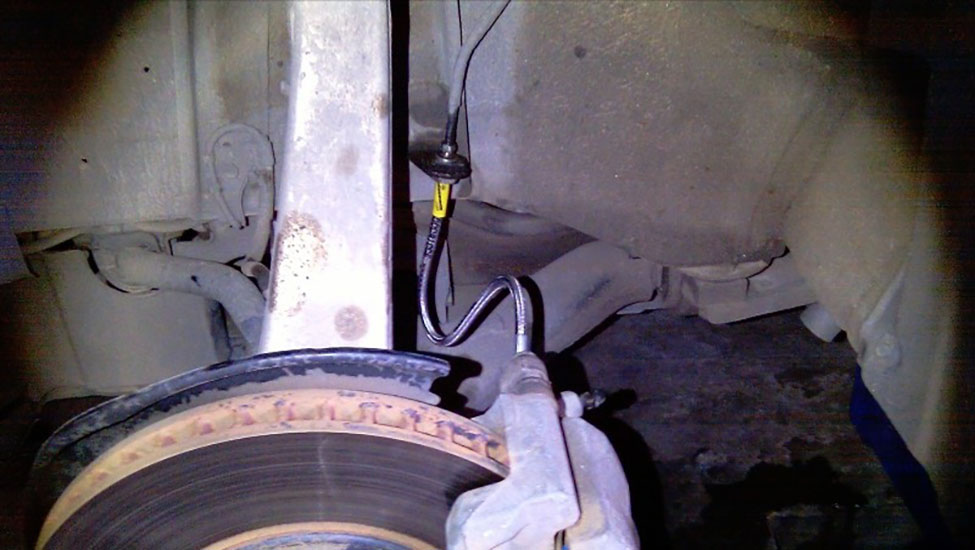
- Inspect hose routing to avoid twists and heat exposure
- Test pedal firmness after final bleeding
Related Products for Better Brake Performance
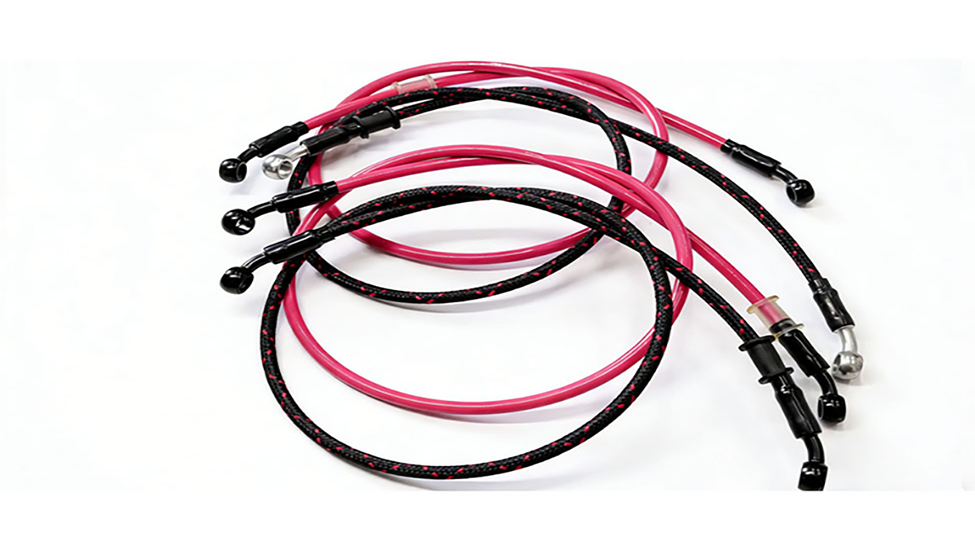
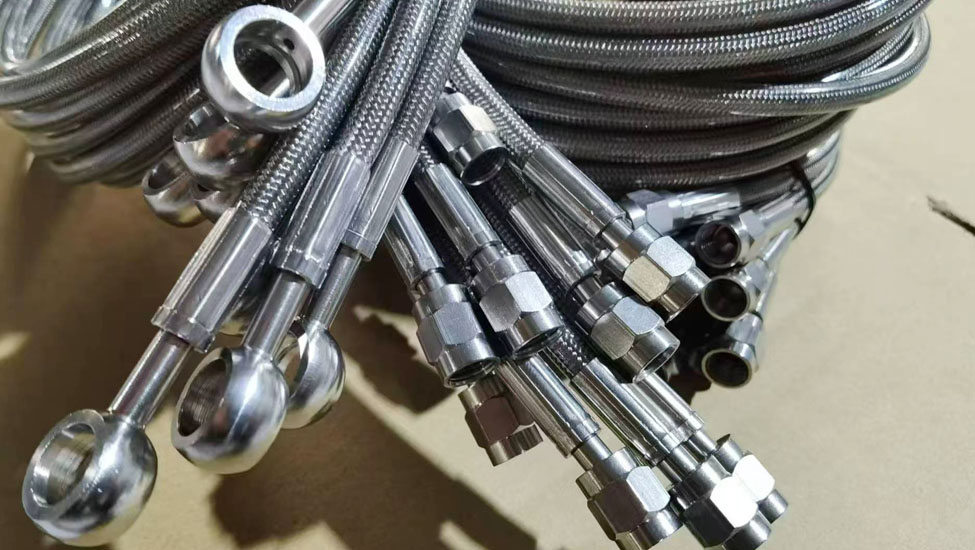
For buyers looking to reduce pedal expansion and improve hydraulic response, many projects choose performance-oriented hose solutions such as Teflon Brake Line, PTFE Brake Line Assembly, and Nylon Brake Line. These products are often compared with Stainlesssteelbraided Hose and braided brake lines in performance applications.
What Global Buyers Usually Care About
- Stable pedal feel under heat and pressure
- Reliable fitment for different vehicle models
- Corrosion resistance in humid and coastal markets
- Long service life for daily use and modified vehicles
- Clean appearance for retail and aftermarket sales
Maintenance Advice for Daily Use
Brake hoses should be inspected regularly for swelling, cracks, leaks, stiffness, and any sign of pressure loss. In hot and humid regions, maintenance frequency matters more because temperature and road salt can accelerate hose aging. A correct installation and a proper fluid bleeding procedure are just as important as the hose itself.
FAQ
How often should brake hoses be replaced?
Brake hoses should be inspected during routine maintenance and replaced when wear, cracking, swelling, leakage, or pedal inconsistency appears. Service life depends on climate, mileage, and vehicle use.
Do upgraded brake hoses really improve safety?
Yes, when the hose is correctly matched to the vehicle and installed properly. Upgraded hoses can improve pedal consistency, pressure transfer, and driver control.
Are upgraded brake hoses suitable for all vehicles?
They are not universal. Buyers should confirm model fitment, fitting type, hose length, and local compliance requirements before ordering.
For technical drawings, custom specifications, or bulk inquiry, please Contact us.