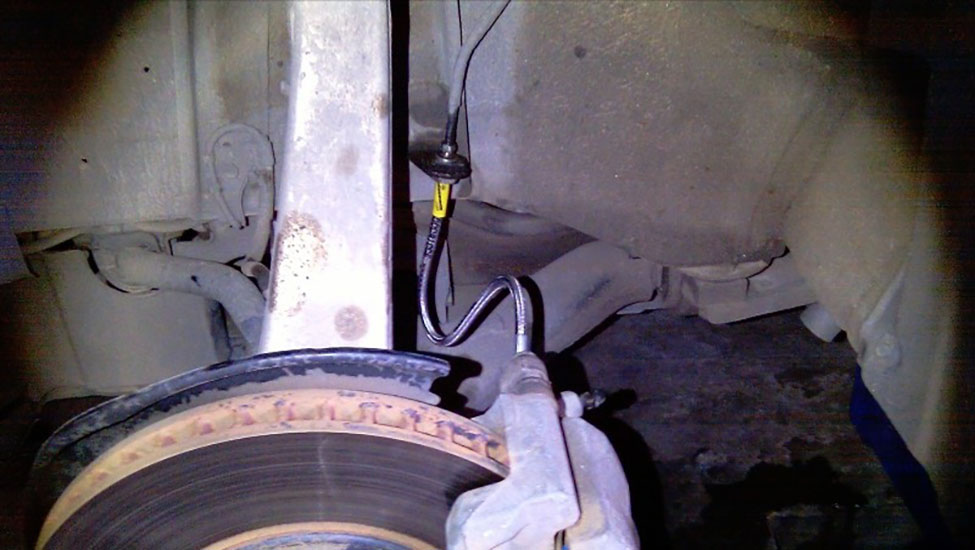
Brake hoses are often overlooked during vehicle maintenance because they are hidden behind wheels and suspension components. However, brake hoses play a critical role in transferring hydraulic pressure from the master cylinder to the brake caliper.
When a brake hose starts aging or becoming damaged, the problem may not be immediately visible. Small cracks, internal deterioration, swelling, or leakage can gradually affect braking performance.
For motorcycle riders, vehicle owners, repair workshops, and aftermarket distributors, understanding common brake hose failure symptoms can help prevent unexpected brake problems.
A hydraulic brake system depends on stable pressure transmission. The brake hose must withstand repeated pressure cycles, temperature changes, vibration, and environmental exposure.
A damaged brake hose may cause pressure loss, delayed braking response, or uneven braking performance.
One of the most common signs of brake hose problems is a soft or spongy brake pedal.
When the brake hose expands excessively under pressure, part of the hydraulic force is absorbed by hose expansion instead of being transferred directly to the brake caliper.
Visible cracks on the outer surface indicate that the brake hose material may be aging.
Long-term exposure to sunlight, heat, chemicals, and environmental conditions can accelerate surface deterioration.
Brake fluid leakage is a serious warning sign and should be inspected immediately.
Leakage may occur around the hose body, fittings, or connection points.
Brake hose swelling usually indicates internal structural damage.
When the reinforcement layer becomes weaker, the hose may expand abnormally under hydraulic pressure.
A damaged brake hose may cause inconsistent braking force between different wheels.
Drivers may notice:
Not all brake hose failures are visible from the outside.
A brake hose may look normal externally while the inner layer has already started deteriorating.
Aging brake hoses may develop internal separation. The inner material can collapse and restrict brake fluid flow.
This may create symptoms such as:
Traditional rubber brake hoses may expand when hydraulic pressure increases.
Performance vehicles and modified motorcycles often choose reinforced brake hose designs to improve pressure stability.
Regular inspection can identify many brake hose problems before failure occurs.
If the brake pedal or lever feeling changes suddenly, the brake system should be inspected.
For OEM customers and professional repair facilities, pressure testing helps confirm brake hose quality and reliability.
Material selection has a direct impact on brake hose durability and performance.
Teflon Brake Lineuses PTFE-based material technology and provides excellent resistance to heat, chemicals, and pressure changes.
It is widely used for performance motorcycles, modified vehicles, and applications requiring stable braking performance.
If you have special requirements, drawings, samples, or customized specifications, our engineering team can provide professional brake hose solutions.
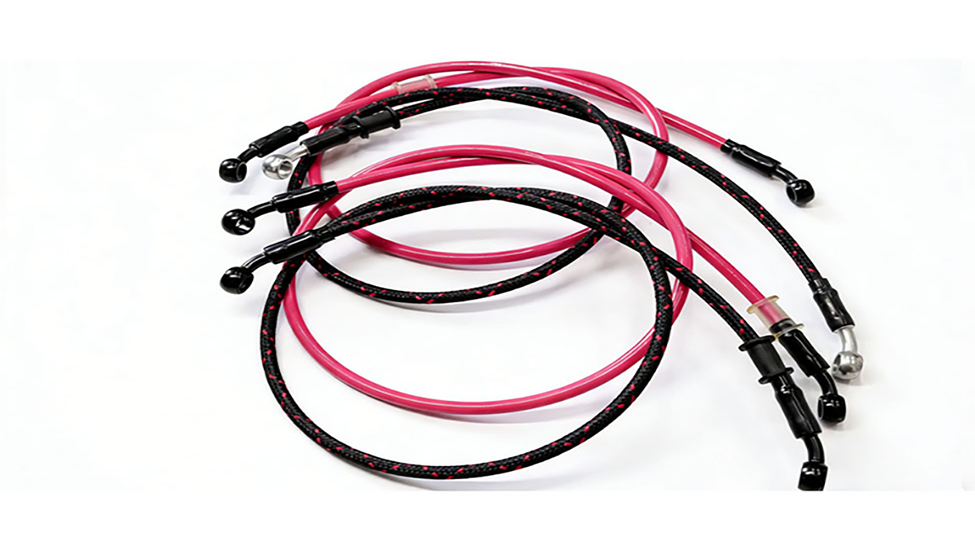
Nylon Brake Lineis designed for applications requiring lightweight construction, flexibility, and reliable performance.
PTFE Brake Line Assemblyprovides a complete brake hose solution with PTFE tubing and professional fittings.
Nylon Brake Line Assemblyis suitable for customized vehicle projects requiring accurate assembly specifications.
Rubber Brake Line Assemblyremains a common OEM replacement solution because of its flexibility and cost efficiency.
Modified motorcycles and performance vehicles often require improved brake response and durability.
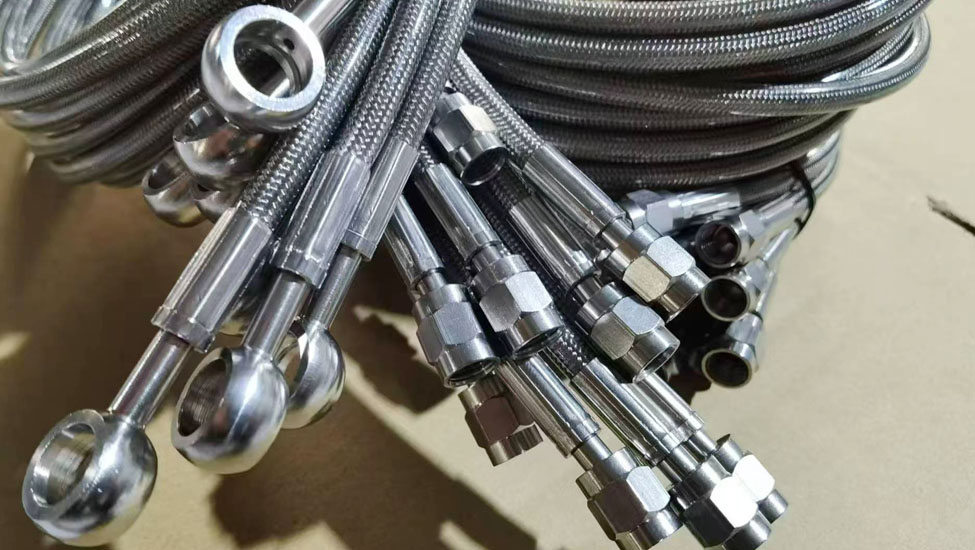
Stainless steel reinforced brake hoses help reduce expansion and provide more stable hydraulic performance.
Old brake fluid may contain moisture, which can reduce braking efficiency and accelerate component aging.
Incorrect routing or excessive bending can shorten brake hose life.
After changing wheels, suspension, calipers, or handlebars, brake hose position should always be checked.
Humidity, rain, and daily motorcycle usage make corrosion resistance and durability important factors.
High temperatures require brake hoses with excellent heat resistance.
Precision manufacturing and stable quality are major purchasing requirements.
Durability and adaptability to different road environments are important considerations.
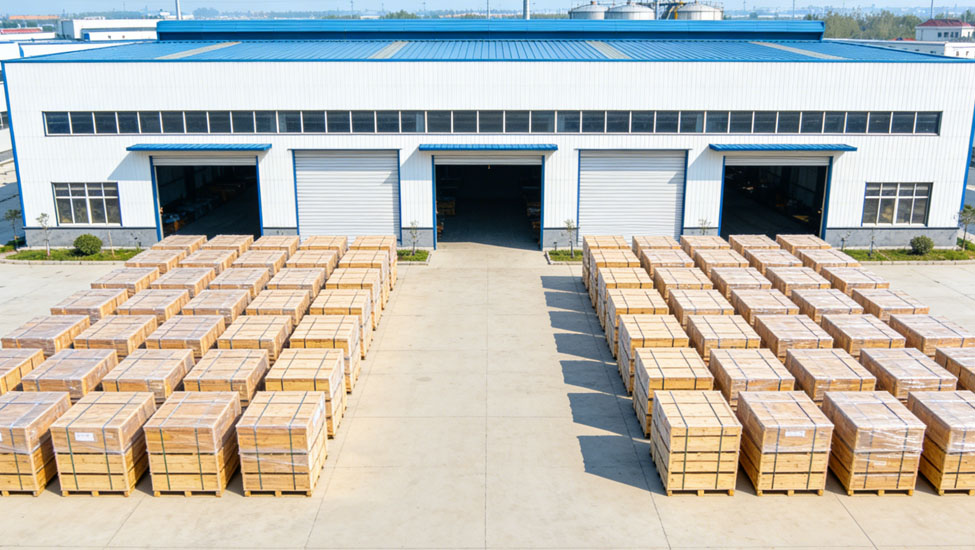
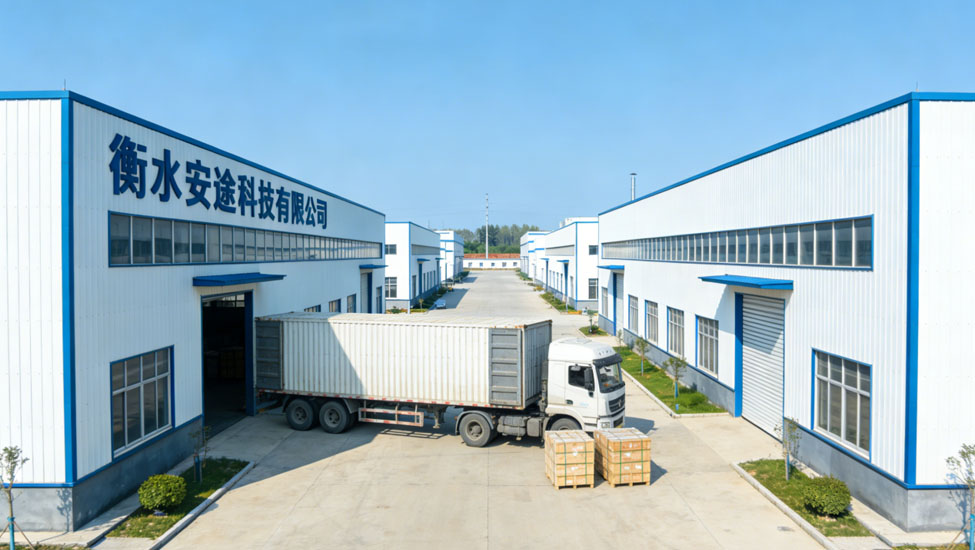
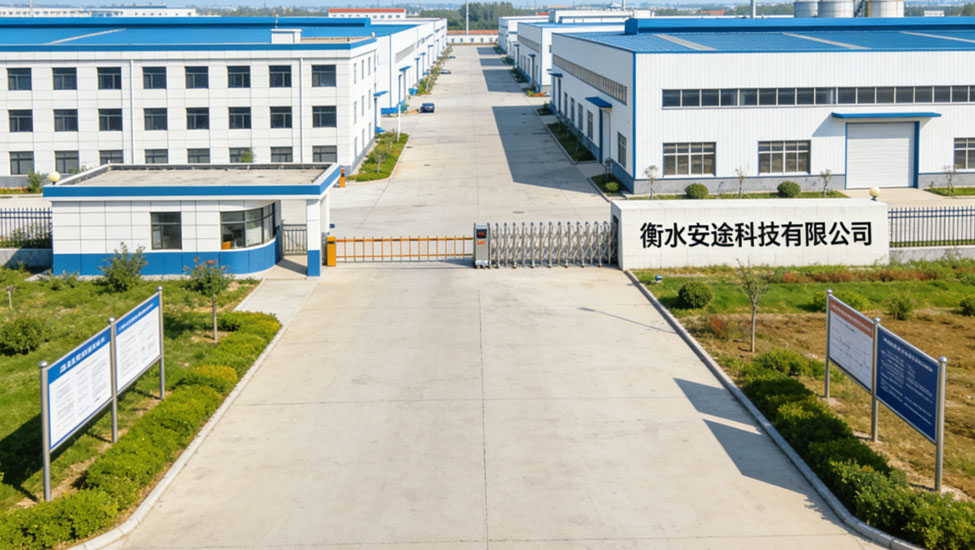
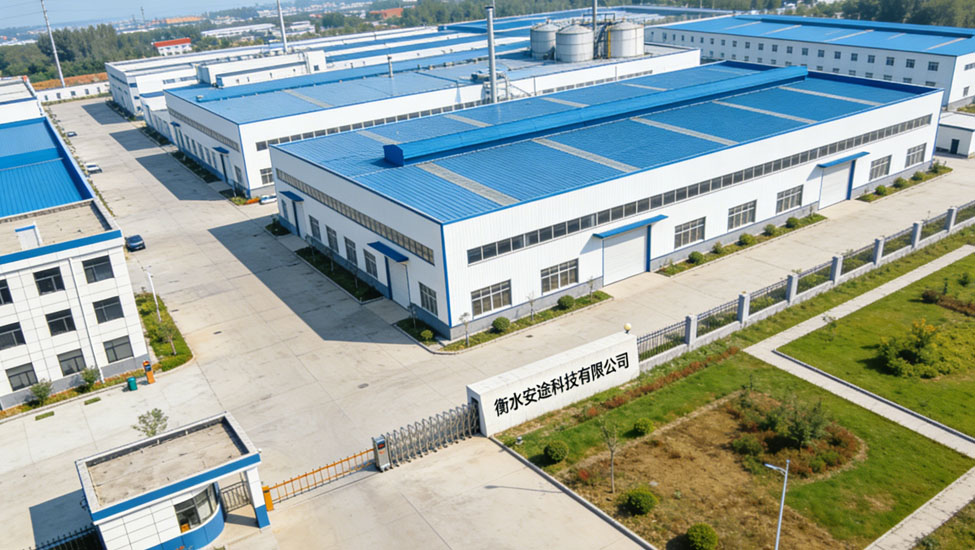
We manufacture customized brake hose products for global customers, including aftermarket brands, distributors, repair shops, and OEM projects.
Our factory provides customized brake hose solutions based on customer drawings, samples, vehicle models, colors, fittings, and packaging requirements.
Whether you are developing motorcycle brake upgrades, vehicle modification products, or wholesale brake hose programs, our engineering team can support your project.
Replacement depends on material quality, usage environment, mileage, and maintenance conditions. Regular inspection is recommended.
Brake hoses are safety components. Once serious damage occurs, replacement is usually recommended instead of repair.
High-quality upgraded brake hoses can provide more stable pressure transmission and improved braking consistency.
Yes. With correct specifications and professional installation, braided brake lines can be used for many motorcycle and vehicle applications.