News

  • You Here!-
  • Home
  • -News
Brake Hose Acting as a One-Way Valve: A Key Reason for Brake Drag

Brake Hose Acting as a One-Way Valve: A Key Reason for Brake Drag

2026-3-23 Comments

Brake Hose Acting as a One-Way Valve: A Key Reason for Brake Drag

Understanding Brake Hose Restriction

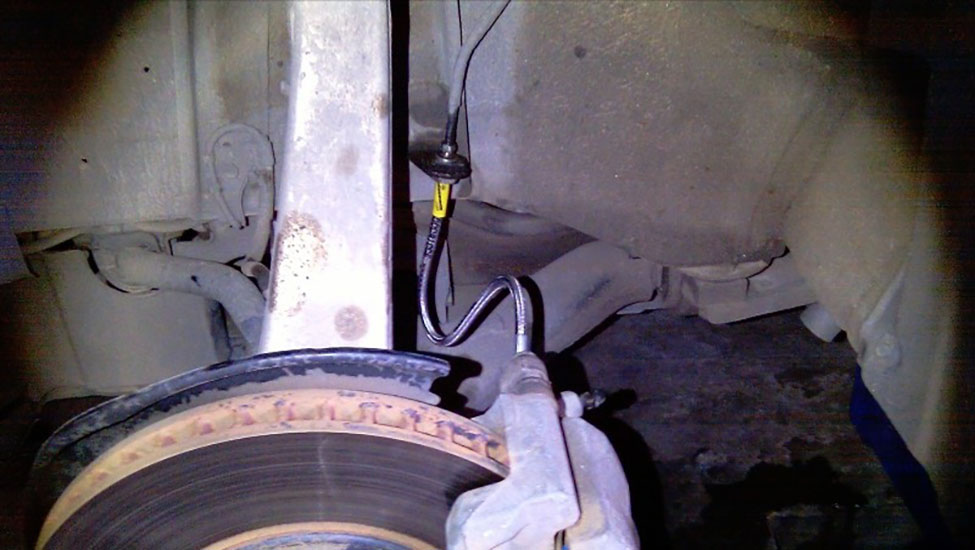
In many cases, brake drag is caused by internal hose damage. The hose allows fluid to enter the caliper but restricts return flow, keeping brakes partially engaged.

Why It Happens

1. Inner Layer Separation

Hose lining may separate and block fluid return.

2. Chemical Degradation

Brake fluid contamination damages internal structure.

3. Manufacturing Quality Issues

Inconsistent inner diameter affects hydraulic efficiency.

Upgrade Solutions

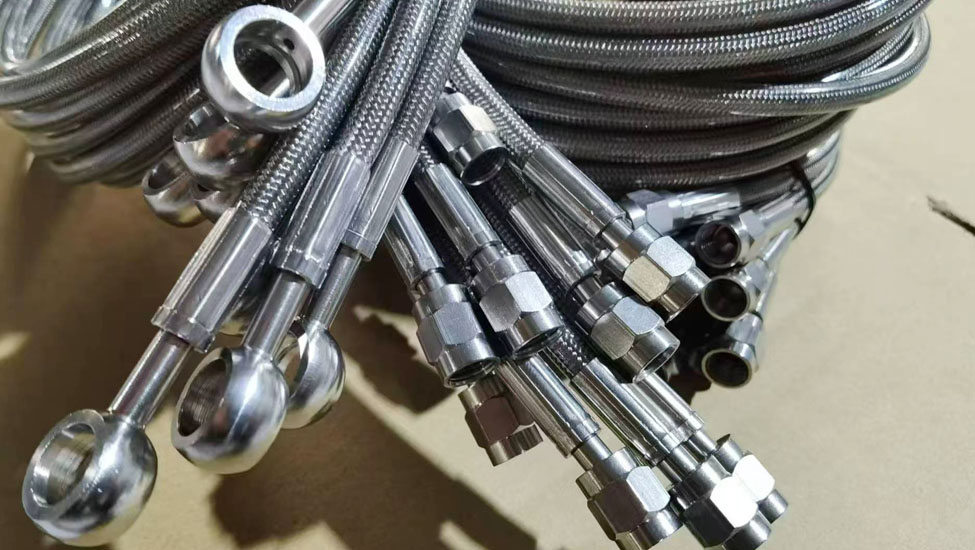
High-Precision PTFE Brake Lines

Ensure smooth internal flow and long service life.

Teflon Brake Line |PTFE Brake Line Assembly

Engineering support available. Contact us.

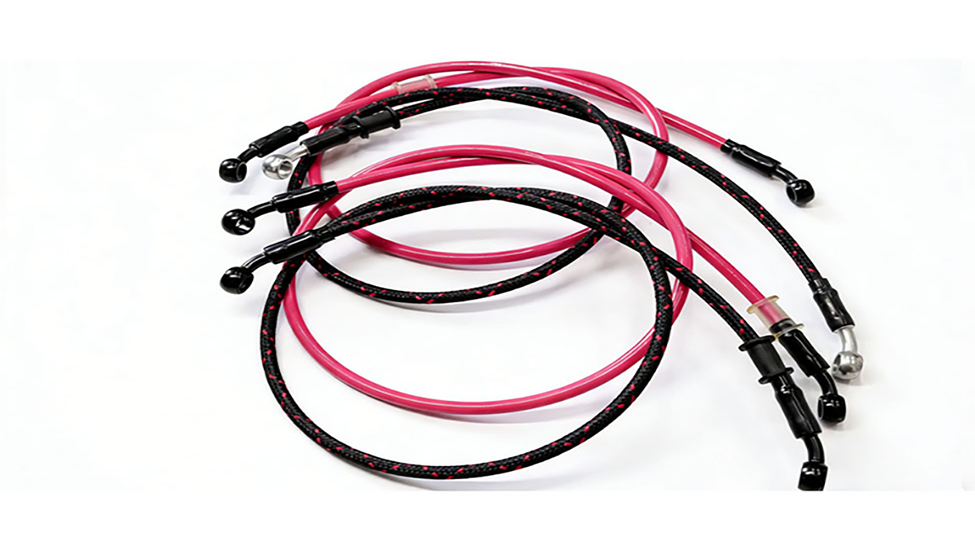
Nylon Brake Line Options

Provide stable performance and flexibility.

Nylon Brake Line |Nylon Brake Line Assembly

OEM customization supported. Send inquiry.

Rubber Brake Line Assemblies

Cost-effective but require frequent inspection.

Rubber Brake Line Assembly

Need alternatives? Contact us.

Selection Considerations

  • Uniform internal diameter
  • High chemical resistance
  • Strict quality inspection

Maintenance Best Practices

  • Monitor brake response regularly
  • Replace hoses showing delayed release
  • Use high-quality brake fluid

FAQ

How often should brake hoses be replaced?

Every 3–5 years depending on usage.

Do upgraded brake hoses improve safety?

Yes, by ensuring consistent hydraulic response.

Are they suitable for all vehicles?

Yes, with correct specifications.

Our Product Range

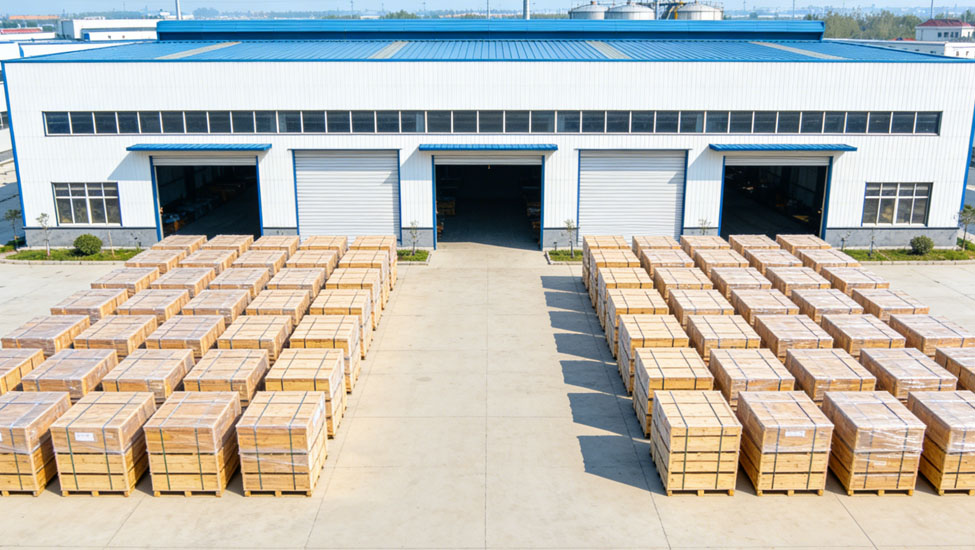
We produce Teflon, Nylon, and Rubber brake line assemblies for global OEM and aftermarket clients.