Brake drag after driving is a common problem that affects motorcycles, cars and modified vehicles. When the brake system cannot release completely after braking, the brake pads may continue touching the brake disc, causing heat buildup, power loss and uneven brake wear.
For modified vehicle owners, repair shops and brake system distributors, understanding the causes of brake drag is important for improving braking performance and preventing unnecessary maintenance costs.
Brake drag happens when the brake caliper does not fully release after the brake pedal or brake lever is released.
Normally, hydraulic pressure pushes the brake pads against the disc during braking and releases when pressure returns to normal. If any component prevents pressure release, the brake system may remain partially activated.
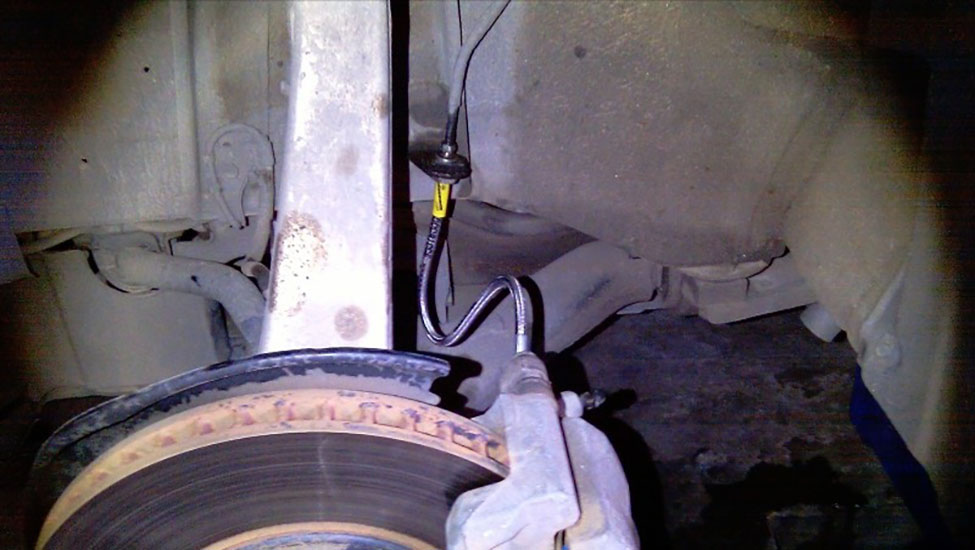
One of the most common causes of brake drag is a damaged internal brake hose.
When the inner layer of a brake hose deteriorates, it may work like a one-way valve. Brake fluid can enter the caliper during braking but cannot return smoothly after releasing the brake.
This trapped hydraulic pressure keeps the brake pads slightly engaged with the disc.
For replacement applications, our Rubber Brake Line Assemblyprovides reliable hydraulic performance for different vehicle applications.
Old brake fluid absorbs moisture over time. Contaminated brake fluid may cause corrosion inside the hydraulic system and affect brake piston movement.
Regular brake fluid replacement helps maintain smooth pressure transmission and prevents brake system problems.
A dirty or damaged brake caliper piston may fail to return completely after braking.
Common causes include:
During high-temperature driving or aggressive riding, low-quality brake hoses may expand and affect hydraulic response.
For modified vehicles, choosing a high-performance brake hose with stable pressure resistance is important.
Modified motorcycles and performance cars usually require stronger braking control compared with standard vehicles.
Higher engine power, increased speed and frequent hard braking create higher demands on brake system stability.
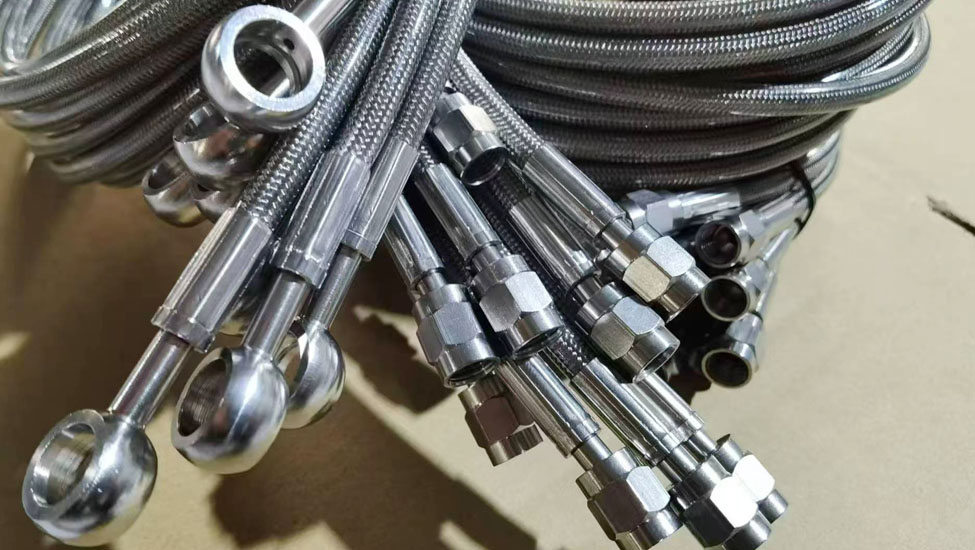
Many performance users choose Stainlesssteelbraided Hosebecause the reinforced structure helps reduce expansion under high hydraulic pressure.
Compared with ordinary rubber hoses, braided brake hoses provide a more direct braking feeling and improved pressure consistency.
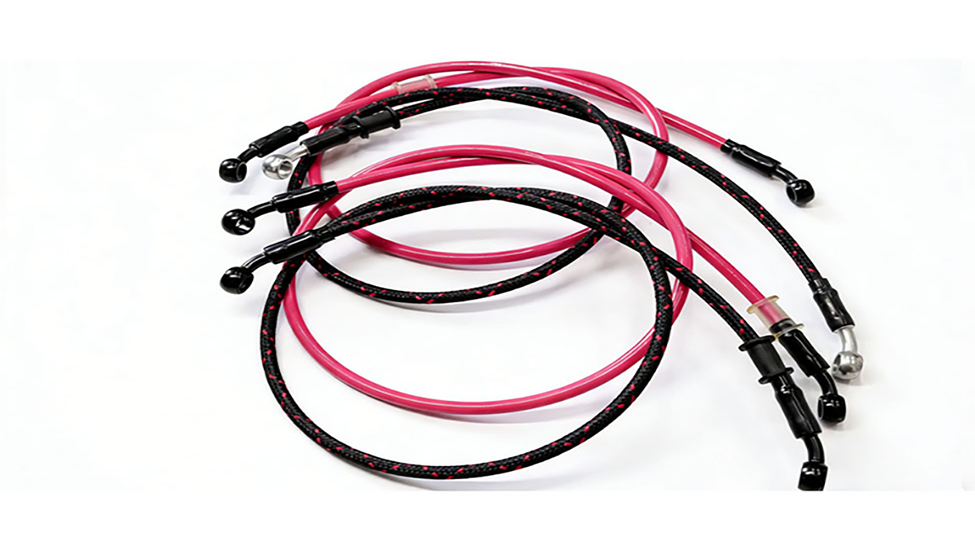
Braided Brake linesare widely used in motorcycle modifications, racing vehicles and high-performance brake upgrades.
They are designed to provide stable braking performance during repeated high-temperature operation.
After driving, compare the temperature of different wheels. One wheel being significantly hotter may indicate brake drag.
Check the brake hose surface for:
Professional technicians can inspect whether hydraulic pressure releases correctly after braking.
Teflon Brake Lineis widely used in performance brake systems because PTFE material provides excellent chemical resistance and temperature stability.
It is suitable for customers looking for durable brake hose solutions for motorcycles, racing vehicles and custom applications.
For distributors and manufacturers requiring complete brake hose solutions,PTFE Brake Line Assemblycan be customized with different fittings, lengths and specifications.
Nylon Brake Lineoffers lightweight characteristics and flexible installation options for different applications.
When selecting brake hoses for modified vehicles, customers should consider:
We specialize in manufacturing customized brake hose solutions for motorcycles, cars, racing vehicles and modified brake systems.
Customers can send drawings, samples or specifications. Our engineering team can provide suitable material selection, structure design and production support.
Contact usfor OEM brake hose manufacturing solutions.
Brake hoses should be inspected regularly and replaced when cracks, swelling, leakage or reduced braking performance appear.
High-quality modified brake hoses can improve pressure stability, reduce hose expansion and provide more consistent braking performance.
Brake hose specifications must match the vehicle model, hydraulic system requirements and installation conditions. OEM customization is recommended for special applications.