Brake drag after driving is a common issue reported by performance car owners and fleet operators across Southeast Asia, Middle East, Japan, and Korea. Understanding the root causes is critical for both safety and long-term system durability.
Brake drag refers to a condition where the brake system does not fully release after braking, causing resistance during vehicle movement. This leads to overheating, premature wear, and increased fuel consumption.
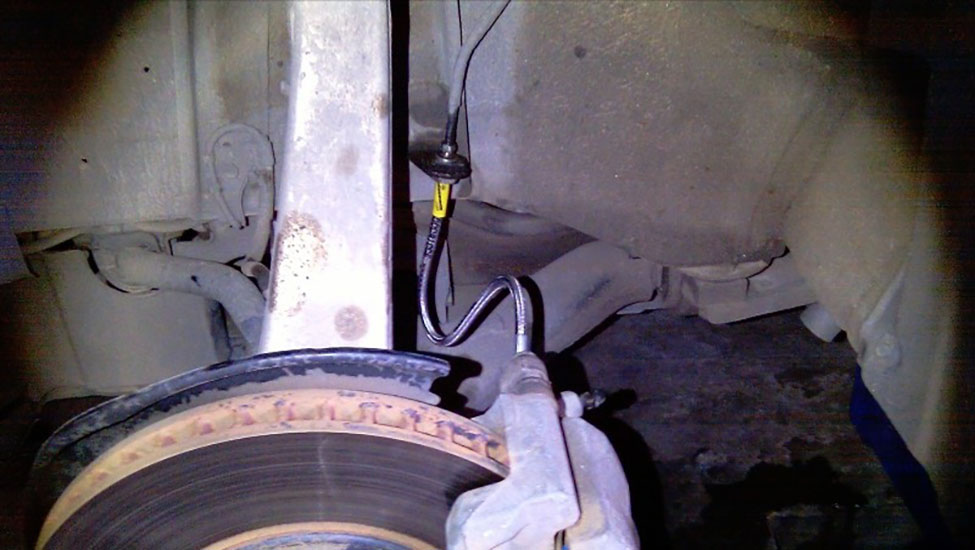
One of the most overlooked issues is internal swelling or collapse of the brake hose. When the inner liner deteriorates, brake fluid pressure cannot return properly.
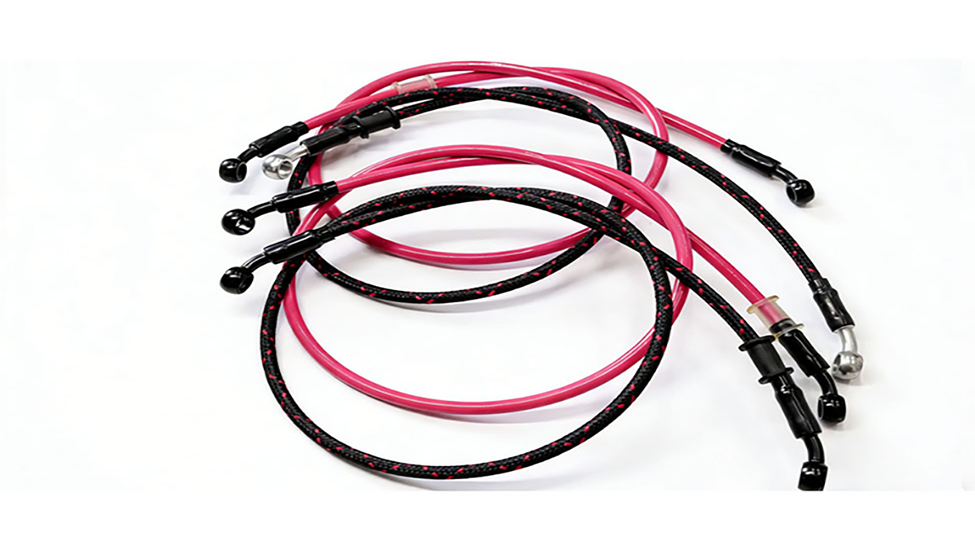
High-performance options like PTFE Brake Line Assembly and Teflon Brake Line provide superior resistance to internal deformation compared to traditional rubber hoses.
After continuous braking, heat builds up in the system. Inferior hoses expand under pressure and temperature, trapping fluid and causing residual braking force.
Using Nylon Brake Line or Nylon Brake Line Assembly significantly reduces expansion and improves pedal response stability.
Moisture contamination lowers boiling point, leading to vapor lock and inconsistent pressure release.
In markets like the Middle East and Africa, high ambient temperatures accelerate hose degradation. In Japan and Korea, buyers focus more on precision, durability, and compliance with performance standards.
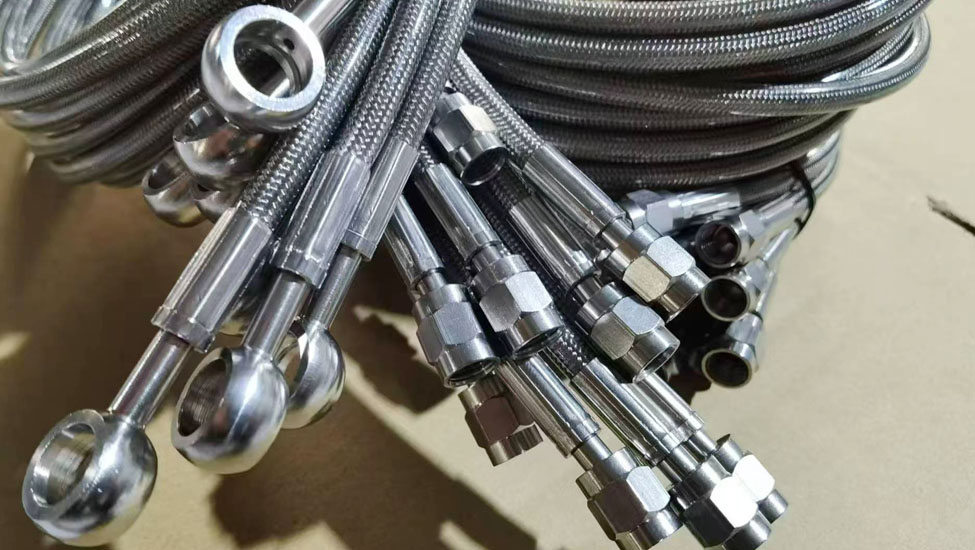
Replacing OEM rubber hoses with Rubber Brake Line Assembly alternatives upgraded with reinforced layers or stainless steel braided structures improves reliability.
Typically every 3–5 years, depending on driving conditions and material quality.
Yes. High-performance hoses reduce expansion and improve braking response.
Most vehicles can be upgraded, but correct specifications and fittings are required.
If you have drawings or specific requirements, feel free to send them to us. We provide OEM and custom brake hose solutions.