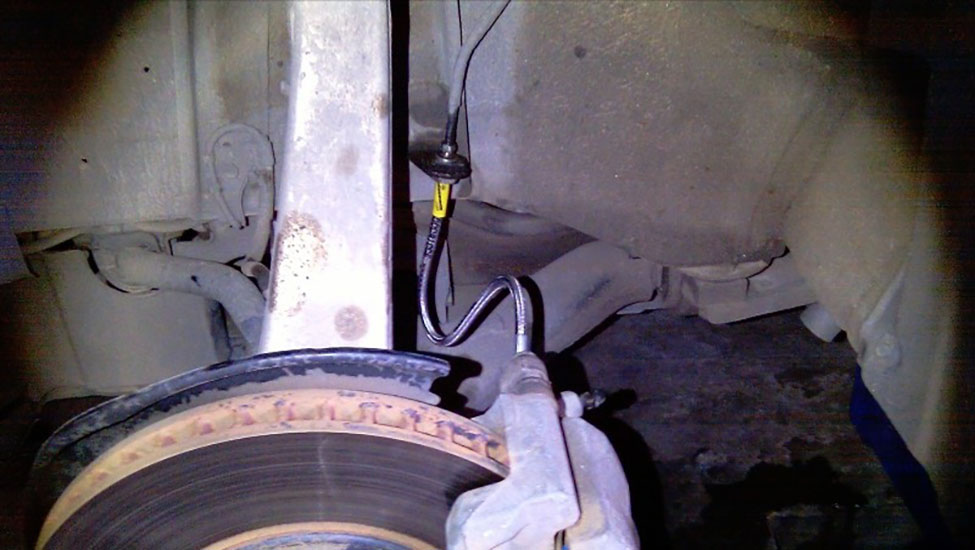
Brake binding, also known as brake drag, often occurs when the brake system fails to release completely after the pedal is released. While calipers and pads are commonly blamed, brake hoses and hydraulic lines are frequently overlooked components.
Overheated brake components caused by constant friction.
Residual hydraulic pressure in the brake lines can keep the pads pressed against the rotor.
Constant contact between pad and rotor accelerates wear.
Old rubber hoses may degrade internally. The inner lining can collapse and act like a one-way valve, trapping brake fluid pressure.
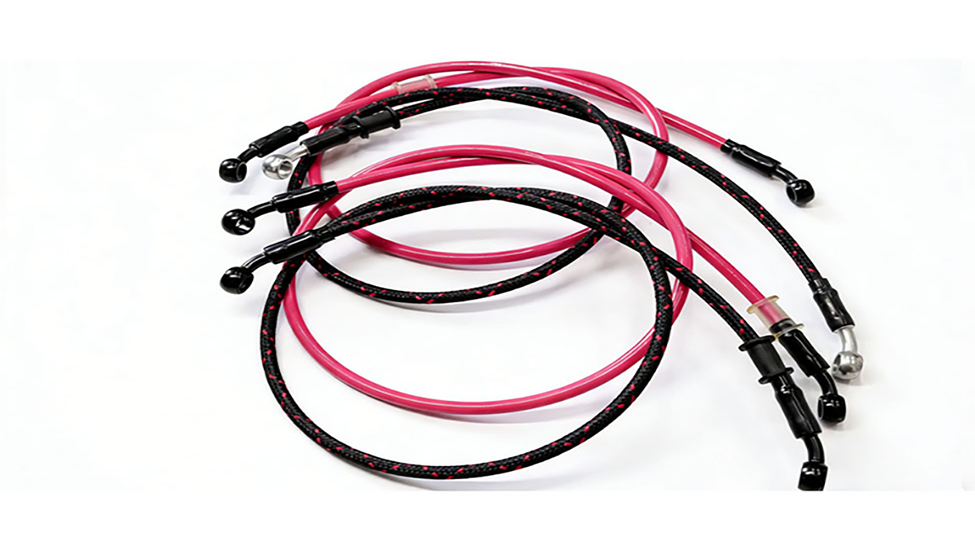
Upgrading to reinforced hoses such as PTFE Brake Line Assembly, Nylon Brake Line Assembly, Teflon Brake Line or Rubber Brake Line Assembly can significantly reduce this risk.
High-quality materials prevent hose expansion under pressure.
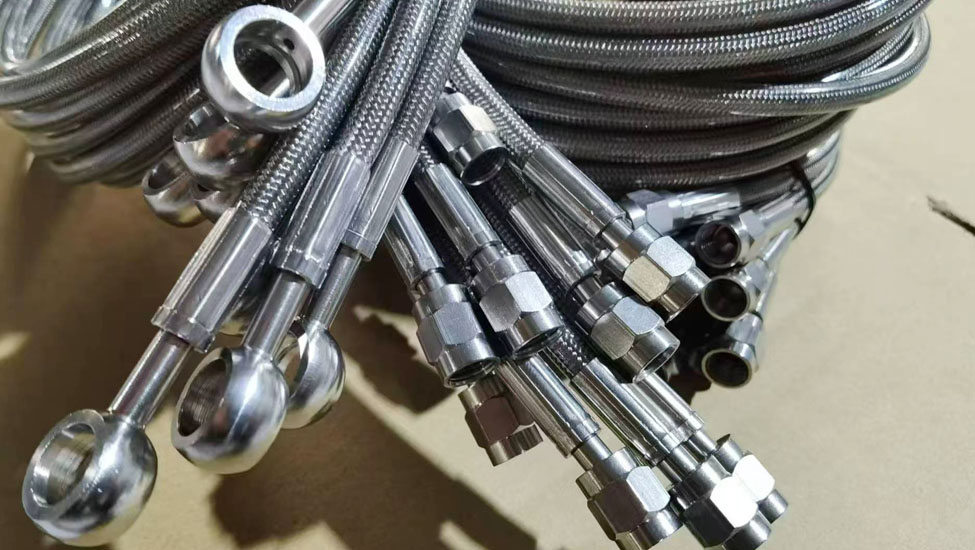
Stainlesssteelbraided hose and braided brake lines maintain performance even during heavy braking.
Advanced hose construction resists aging, corrosion, and environmental damage.
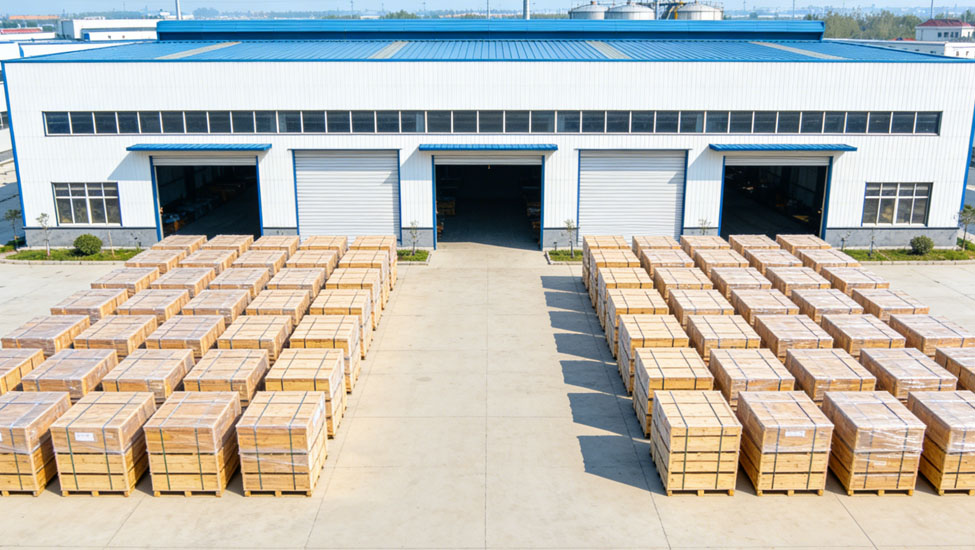
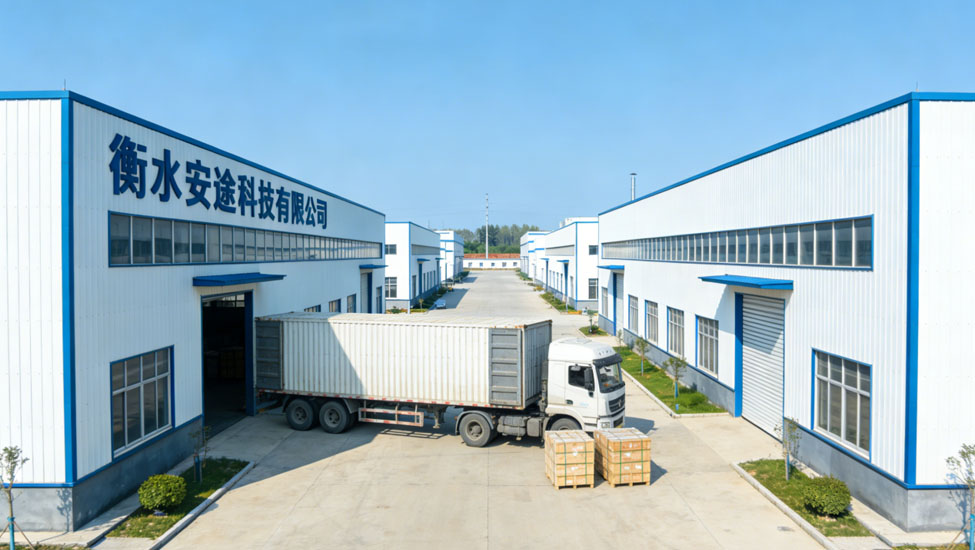
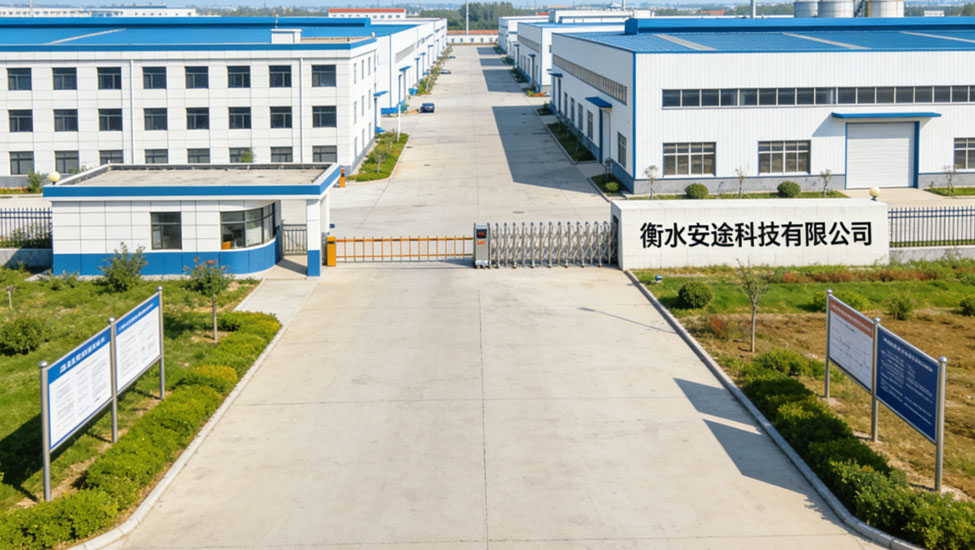
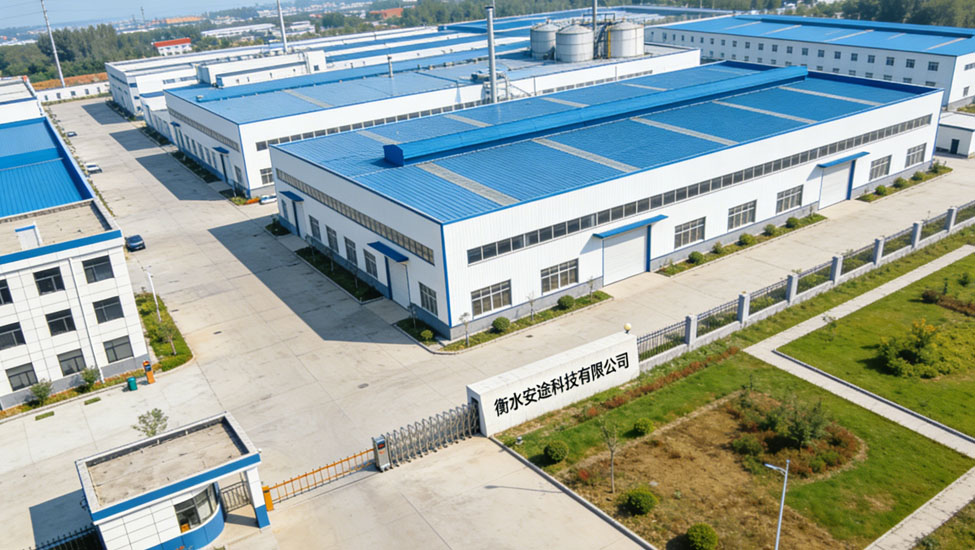
Our factory specializes in manufacturing Teflon brake line systems, nylon brake line assemblies, PTFE brake line assemblies, rubber brake hose assemblies, stainlesssteelbraided hose and braided brake lines for global distributors and automotive brands.
Service life depends on material and usage, but inspection is recommended regularly.
Yes. Braided brake lines reduce expansion and provide a firmer brake pedal.
Yes, we can manufacture hoses according to drawings or samples.
If you need custom brake hose assemblies for distribution or vehicle projects, send us your drawings or specifications. Contact us here.