Not all brake fluid leaks announce themselves with a large puddle. Some are insidious, leading to gradual failure. For performance drivers and workshops in regions with extreme weather, understanding the full spectrum of leak symptoms is crucial for safety. Let's move beyond basic checks and into professional diagnostics.
Sometimes, the leak is internal. A failing master cylinder can leak fluid past its internal seals into the brake booster. This won't cause a visible external leak but will result in a low fluid reservoir and a sinking brake pedal.
Check inside the brake booster. Disconnect the vacuum hose from the booster; if brake fluid drips out or the hose is wet internally, the master cylinder is failing internally and must be replaced.
For tiny, seeping leaks that don't leave obvious drips, a pressure test is the only sure way to find them. A brake pressure tester is connected to the master cylinder, and the system is pressurized.
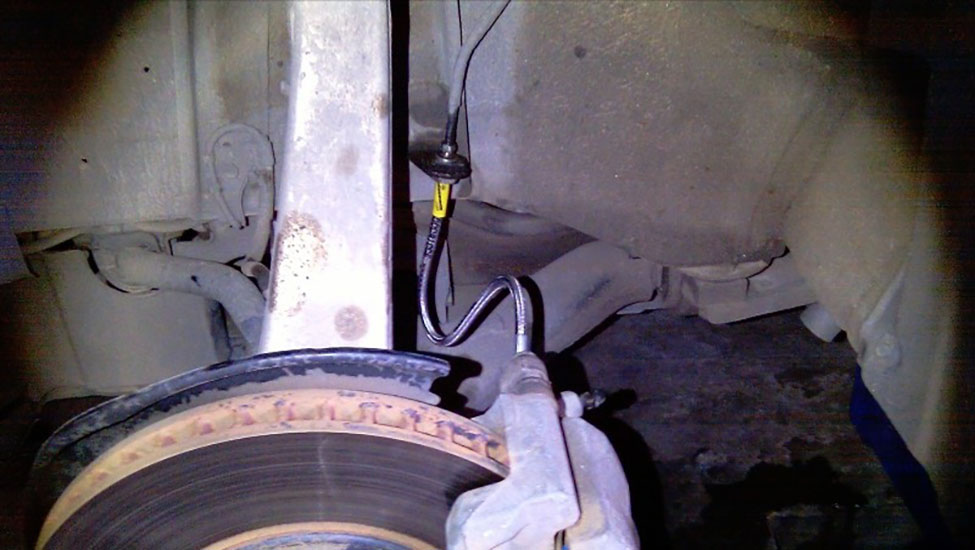
With the system under pressure (typically 20-30 PSI for testing), inspect every inch of brake line, especially:
Your region's climate is a primary factor in brake line longevity.
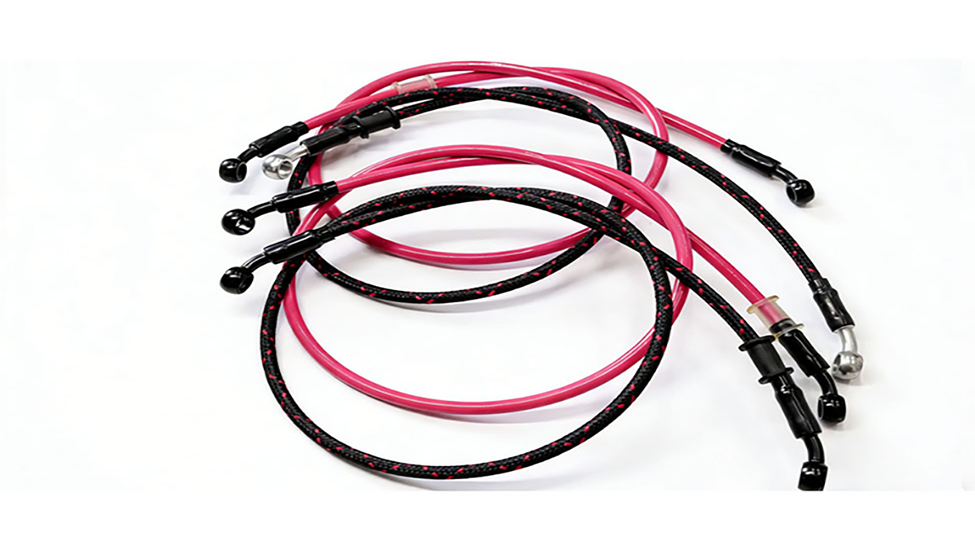
Constant high temperatures bake and dry out Rubber Brake Line Assembly, making them brittle and prone to cracking. The solution is a Teflon Brake Line. PTFE is unaffected by temperature extremes, maintaining flexibility and integrity where rubber fails.
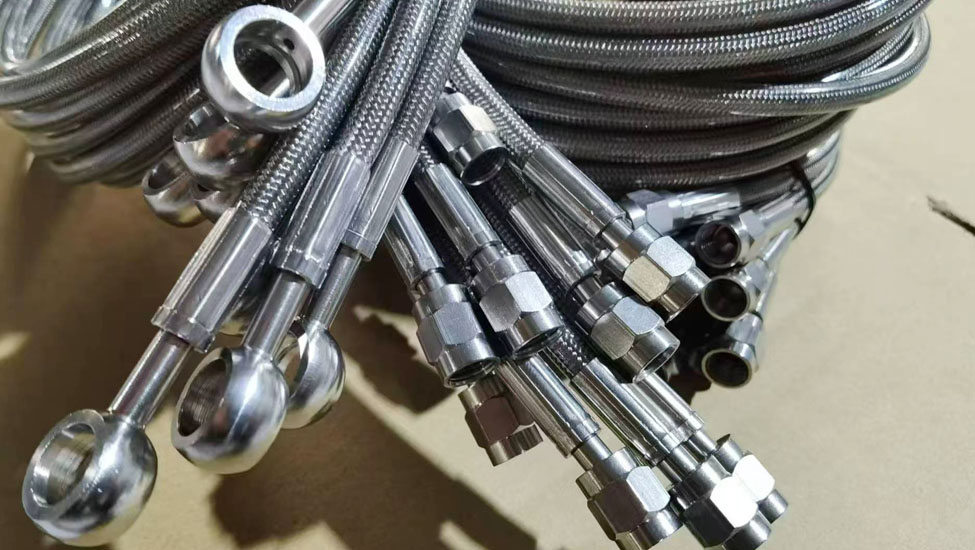
Salt-laden air and moisture cause rapid corrosion of the metal end fittings and the reinforcing mesh inside rubber hoses. Our Stainless Steel Braided Hose products feature stainless steel fittings and braiding, which offer vastly superior corrosion protection. The nylon or PVC outer sheath also shields the critical components from salt spray.
Choosing a replacement hose is about solving the cause of the initial failure.
A quality hose installed poorly will still leak. Follow this checklist:
Q: Are your braided lines DOT/SAE certified for road use?
A> Our performance lines are manufactured to meet or exceed relevant SAE and DOT standards for burst pressure and fluid compatibility. They are designed as direct, legal replacements for OEM hoses.
Q: What is your lead time for custom or urgent orders?
A> We pride ourselves on rapid response. For urgent orders, we can often provide technical parameter confirmation within 30 minutes. Our intelligent adaptation system and large vehicle database allow for quick solutions.
Q: Can you match an OEM sample I send you?
A> Yes. Customization and OEM replacement are our specialties. Send us your sample or detailed drawings, and we will manufacture a matching or superior Braided Brake Line for you.
Why Choose Us? We are a factory that combines data-driven solutions with high-performance manufacturing. Whether you need a single kit or a bulk order for your market, we provide reliable, leak-free brake line solutions. Contact us at nina@brakelinefactory.com for partnership inquiries.