I’ve inspected hundreds of failed brake systems across Thailand, UAE, and Nigeria, and one thing is clear—most drivers miss the early signs of brake hose leakage until it becomes dangerous. Here’s what to watch for.
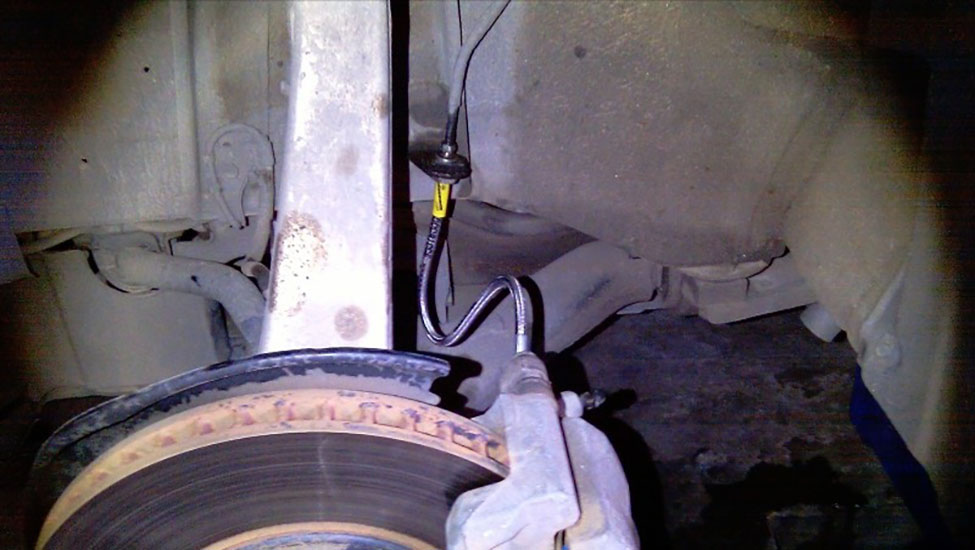
If you see shiny fluid around the crimp area, your Rubber Brake Line Assembly may already be compromised. Rubber ages fast in high-heat environments.
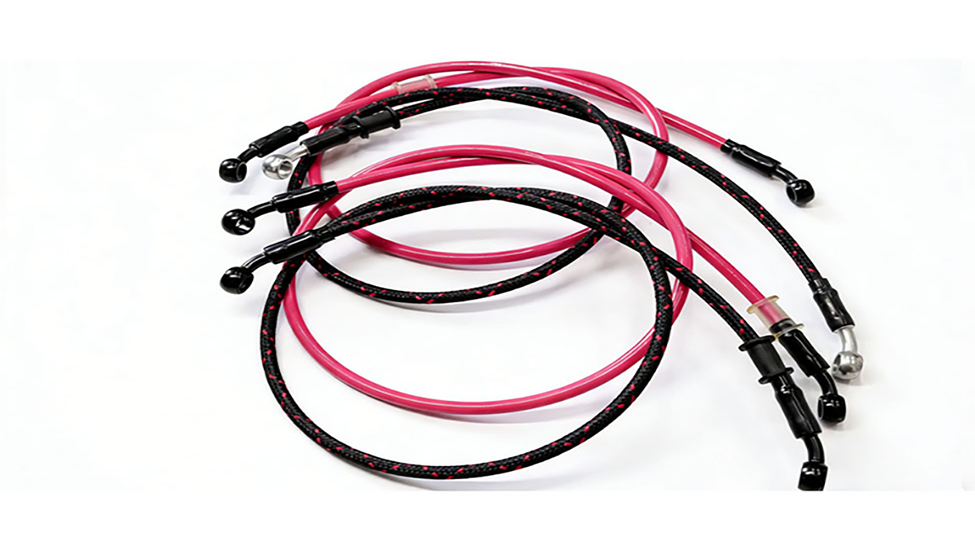
A slow-to-respond pedal often points to micro-leaks inside Nylon Brake Line Assembly fittings, especially on older modified vehicles.
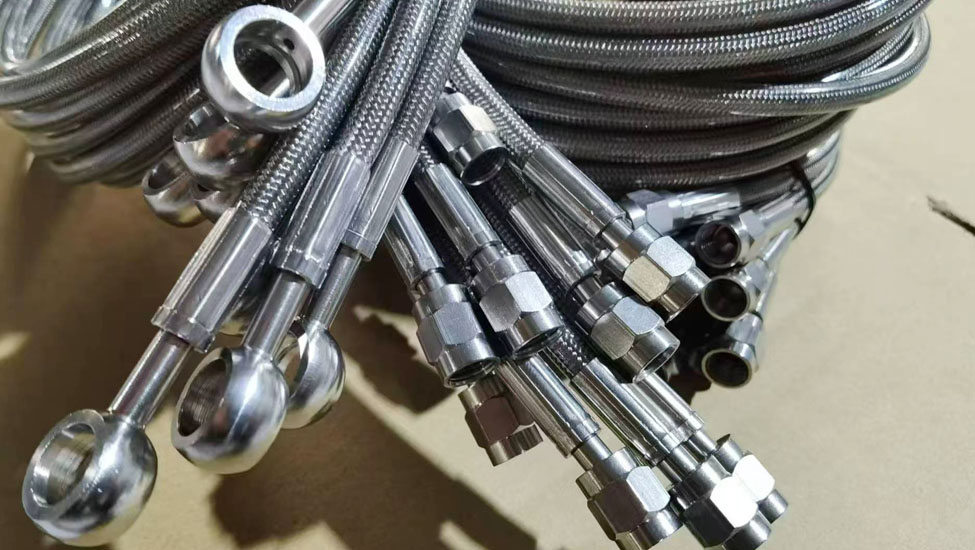
Even Teflon Brake Line with stainless steel braid can trap moisture underneath. If rust appears, the inner core may already be leaking.
Fluid loss reduces caliper pressure. We often trace this back to cracked Nylon Brake Line or damaged banjo seals.
In track or desert conditions, overheated PTFE Brake Line Assembly can vent vapor or leak at joints.
How often should brake hoses be replaced?
Every 4–5 years, or sooner in hot, humid regions.
Do aftermarket hoses really improve safety?
Yes. Braided Brake Lines reduce expansion and resist abrasion far better than stock rubber.
Can you make hoses for my specific car?
Absolutely. Send us your drawing or sample.