Antu Brake Hose Co., Ltd
Hebei China 053000
Tel: 86-18903185773
WhatsApp:8618903185773
Email: nina@brakelinefactory.com
PTFE-lined brake hoses (commonly called Teflon brake hoses or PTFE brake lines) are the preferred aftermarket solution for tuners, race teams and distributors who demand consistent pedal feel, high temperature tolerance and long-term chemical stability. This guide is written with procurement and engineering teams in mind — it covers construction, measurable benefits, typical test specs and the procurement keywords buyers search for when sourcing braided brake line kits.
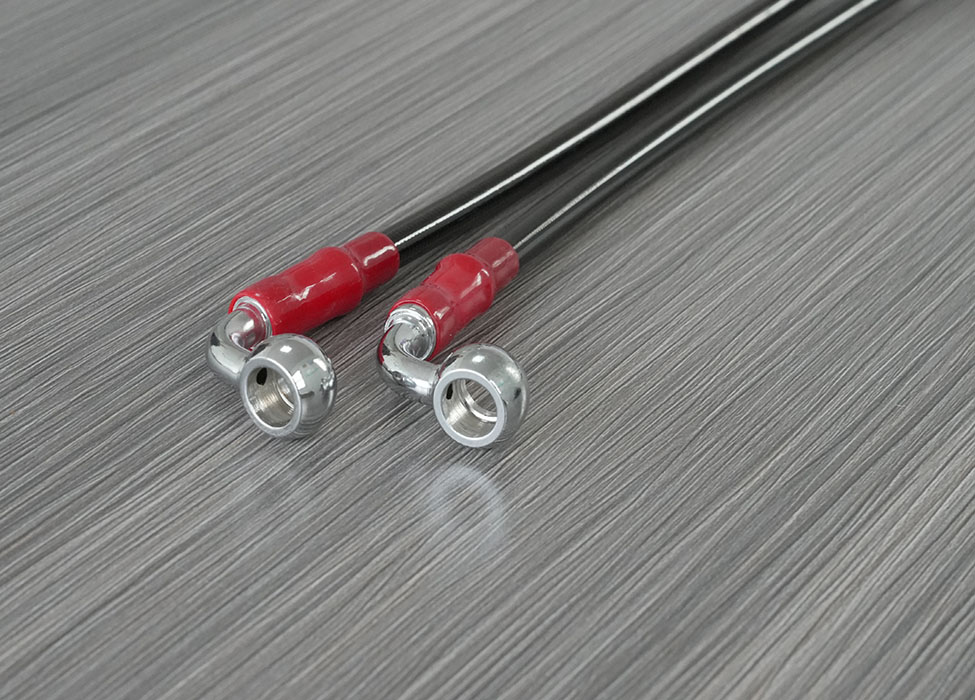
A PTFE brake line is a hydraulic hose assembly that uses a PTFE (polytetrafluoroethylene) inner liner to transport brake fluid. The PTFE core is combined with one or more reinforcement layers (commonly stainless steel braid) and an outer protective jacket to form a complete, pressure-rated brake line assembly.
Under hydraulic load, rubber hoses can elastically expand. PTFE inner liners combined with stainless steel braid exhibit near-zero expansion, so hydraulic pressure is delivered more directly to calipers. Result: firmer pedal, faster response and repeatable braking performance — key selling points for performance customers.
PTFE resists degradation from brake fluids (DOT3 / DOT4 / DOT5.1) and remains dimensionally stable at elevated temperatures encountered in track or heavy-duty use. This reduces internal swelling and extends service life versus many rubber alternatives.
When properly constructed and crimped, PTFE brake lines with stainless braid support high working and burst pressures appropriate for motorsport and heavy-performance applications. Buyers often search for technical values like burst pressure, working pressure and temperature range when comparing suppliers.
| Specification | Typical Value (example) |
|---|---|
| Working pressure | Up to 1,000–3,000 psi (construction dependent) |
| Burst pressure | Typical test threshold ≥ 3,000–10,000 psi (manufacturer-specified) |
| Temperature range | -40°C to +150°C (inner tube dependent) |
| Fluid compatibility | DOT3 / DOT4 / DOT5.1 |
PTFE brake lines are common across multiple aftermarket segments. Procurement searches frequently include phrases such as PTFE brake line kit, stainless steel braided brake hose, performance brake hose and custom brake line manufacturer.
When evaluating PTFE brake line suppliers, include these requirements in RFQs and product pages — they are the exact items buyers commonly search for and expect:
working and burst pressures and temperature limits.To increase exposure and match procurement intent, product pages should explicitly list available customization options. Common search queries include AN fittings brake line, banjo fitting brake hose, custom brake line assembly and braided brake line kit.
Proper installation and periodic inspection improve safety and customer satisfaction. Publish clear installation notes and maintenance checklists on product pages to help SEO and conversions.
Advise periodic checks for abrasion, chafe, corrosion at fittings and any signs of fluid leakage. Maintain a simple inspection interval (e.g., every 6–12 months or after heavy track use) and document inspection requirements on product pages to build buyer confidence.